
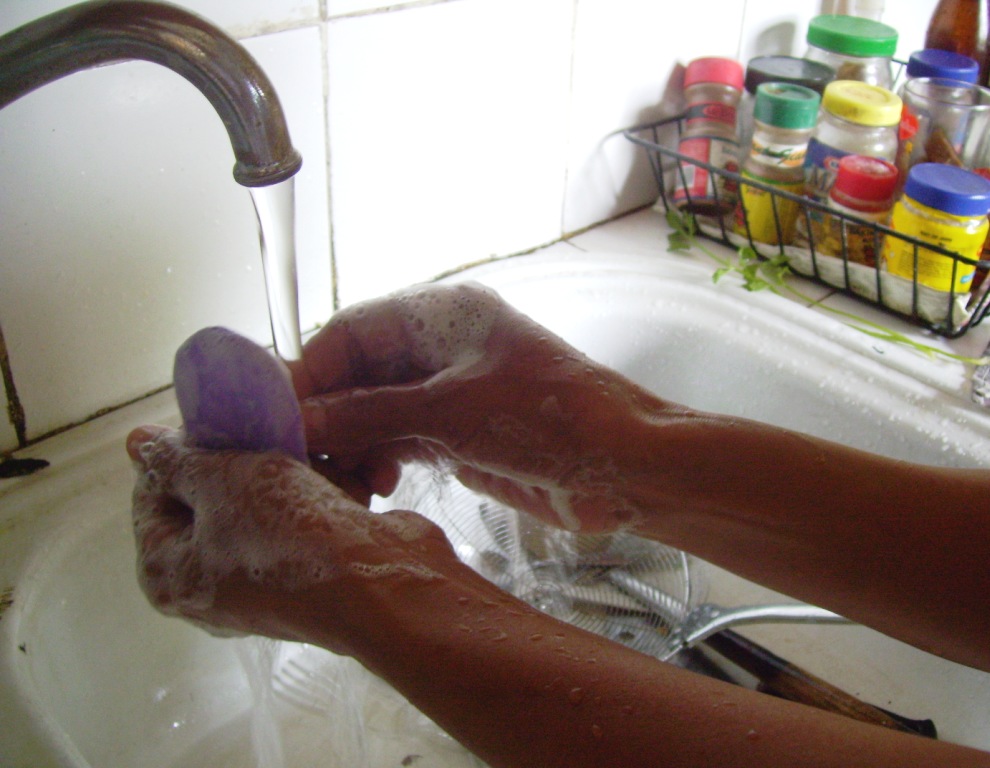
Cleanliness, safe water, proper cooking and correct storage are the keys to preventing food contamination, says Lina Akter, a nutritionist at Raiyan Health Care Hospital and Research Centre in Dinajpur. Safe food, she says, matters for public health as well as for each person's wellbeing.
Citing the World Health Organization, she said contaminated food can cause more than 200 kinds of illness, diarrhoea, vomiting and stomach pain among the most common. Care is needed at every step from production and processing to storage, transport and sale, and the responsibility is shared by producers, traders, food workers, the authorities and consumers.
Her eight points are: follow food safety law and standards, maintain hygiene, train food workers, cook and store at the right temperature, use safe raw materials and water, use safe packaging and storage, keep records of production and quality control, and raise consumer awareness.
At home, she advises keeping the cooking area and utensils clean, washing hands with soap before and after preparing food, and keeping raw and cooked food apart. Fish, meat, eggs and dairy should be cooked thoroughly, and perishable food should not be left at room temperature for long.
Fruit and vegetables should be washed well, and the production and expiry dates on packaged food checked before buying. Food that is past its date, in a damaged pack, or that smells or looks unusual should be left on the shelf.
Bangladesh's Food Safety Act 2013 provides for the regulation and supervision of food production, processing, storage, supply and sale. Alongside the law, she stressed following internationally recognised guidelines.
Photo: Serenity / Wikimedia Commons (CC BY-SA 3.0)
Source: Agricare24
Comments
(0)