
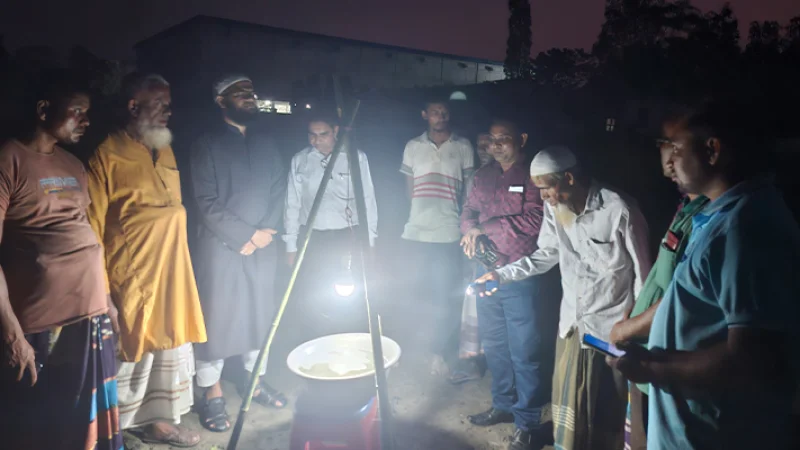
The Department of Agricultural Extension is using light traps in Lalmonirhat to stop needless pesticide use in aman fields. Every week the traps are set at the same time across blocks in the Sadar upazila's nine unions and its municipality, cutting production costs and protecting beneficial insects and the environment.
The trap is simple. In the evening a lamp is lit beside the field with a pan of water mixed with soap or kerosene underneath. Insects drawn to the light fall into the water. Field-level sub-assistant agriculture officers look at how many harmful and how many beneficial insects were caught and then advise farmers on spraying or other pest management.
Sadar upazila agriculture officer Khandaker Soyahel Ahmed said the usual heavy use of chemical fertiliser and insecticide raises costs and kills friendly insects along with pests. The light traps reduce waste and give early pest warnings, he said, and the aman crop in Sadar is now in satisfactory condition.
District and upazila agriculture officials inspected the programme at Guriadaha block in Gokunda union on the evening of Monday, 28 September. District training officer Md Rostam Ali told farmers: 'Too often poison is sprayed heavily without understanding, which costs money and destroys friendly insects. If you identify the pests with light traps and use pesticide in measure, the crop stays safe and farmers gain.'
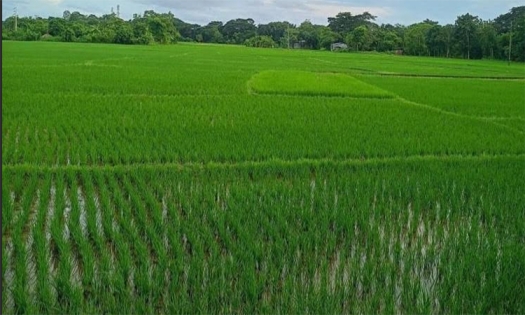
According to the agriculture department, 15,805 hectares in Lalmonirhat Sadar are under aman this season, including hybrid and high-yielding varieties.
The report is by Desh Rupantor's Lalmonirhat correspondent.
Photo: Desh Rupantor
Source: Desh Rupantor
Comments
(0)