
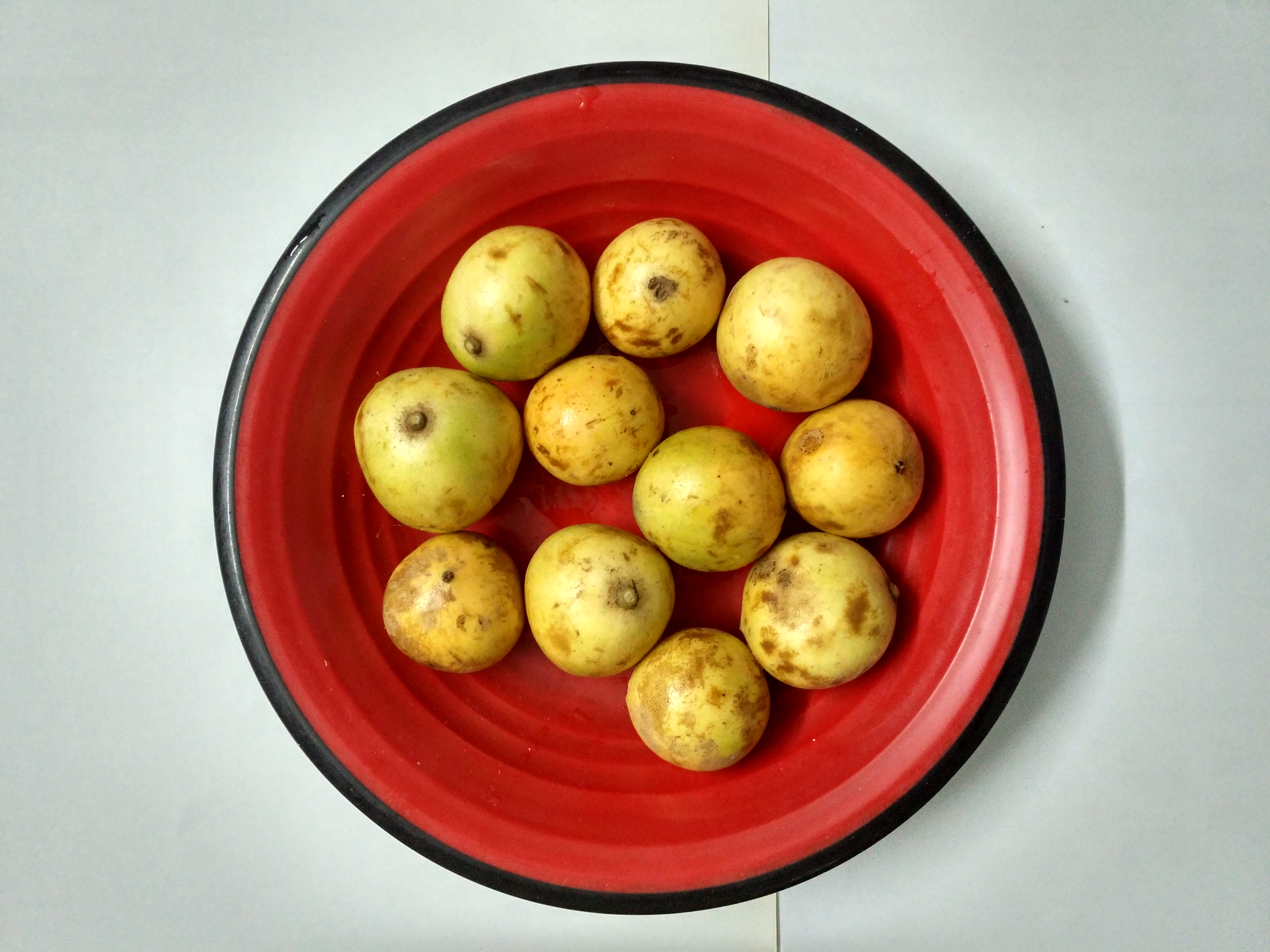
Latkan, a small, round, pale yellow fruit with a sweet-and-sour taste, fills Bangladesh's markets in the rainy season and is liked by children and adults alike. On 15 June 2026 Jagonews24 published a report advising readers to know a few things before eating it, since eating a lot at once or ignoring some points can cause discomfort instead of benefit. This article checks that advice against nutrition research and public health agencies.
What latkan is and where it grows
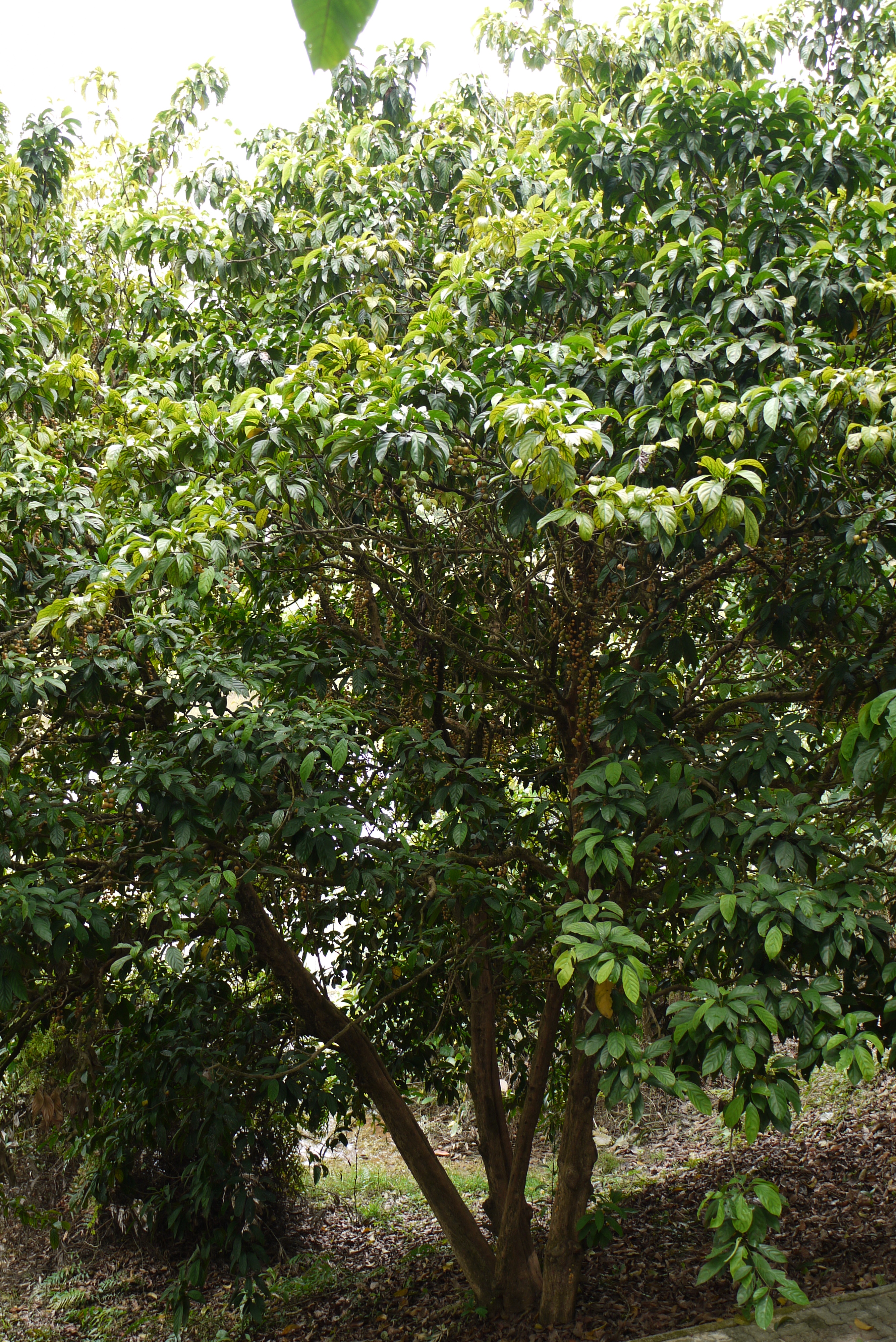
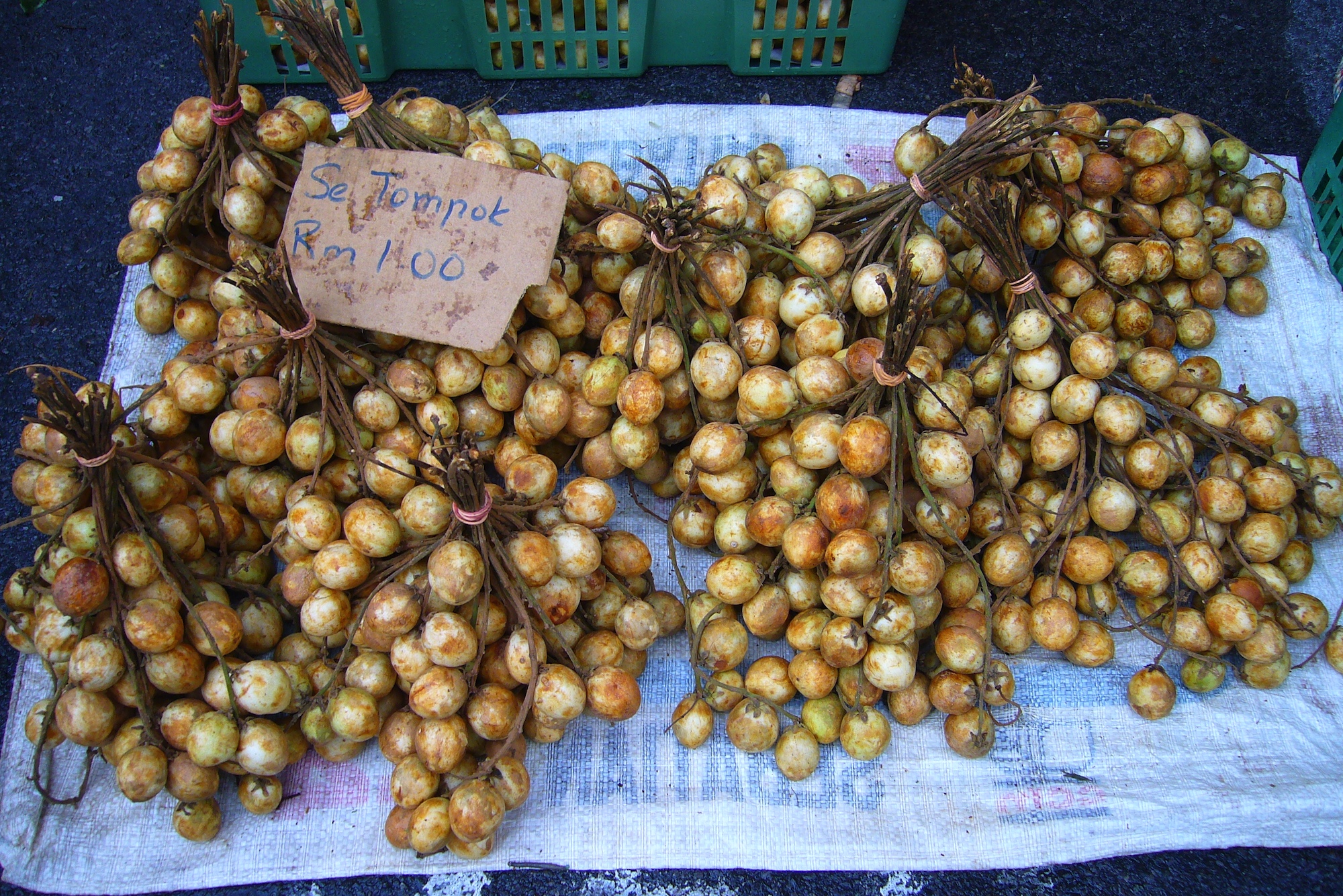
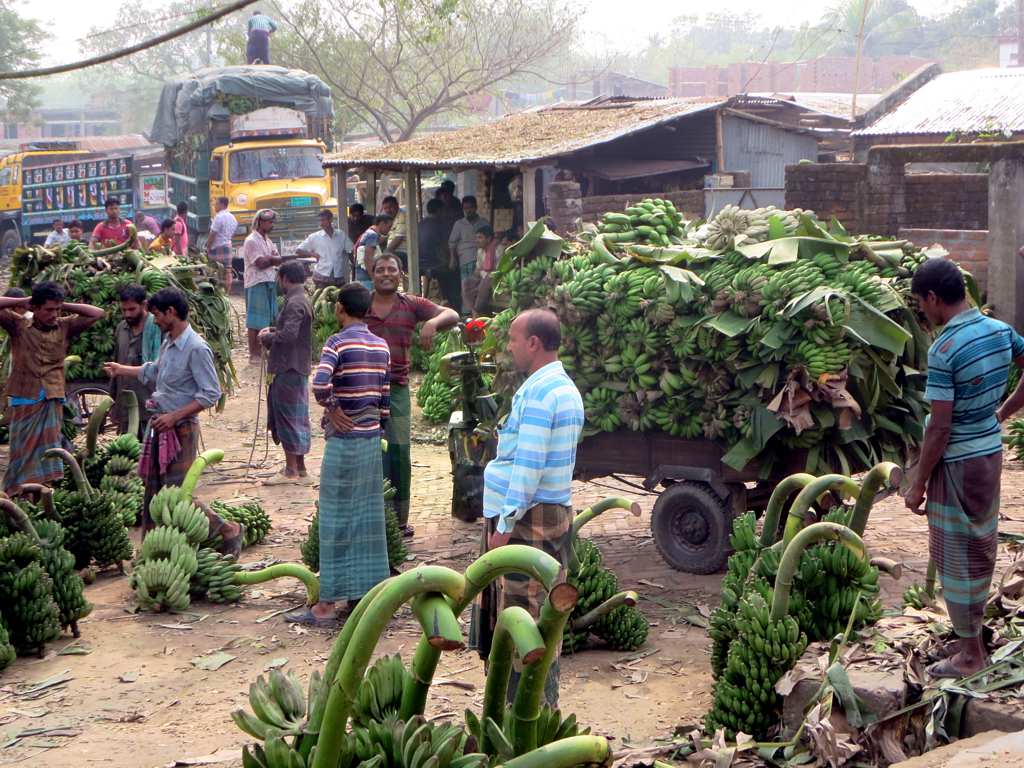
Latkan is Baccaurea motleyana, a tree native to Thailand, the Malay Peninsula, Sumatra and Borneo, where the fruit is called rambai. A review by researchers from Bangladesh and India, published in Food Science & Nutrition in January 2022, notes that in Bangladesh it is known as latkan or bubi and is grown in districts including Narsingdi, Gazipur, Sylhet and Netrokona.
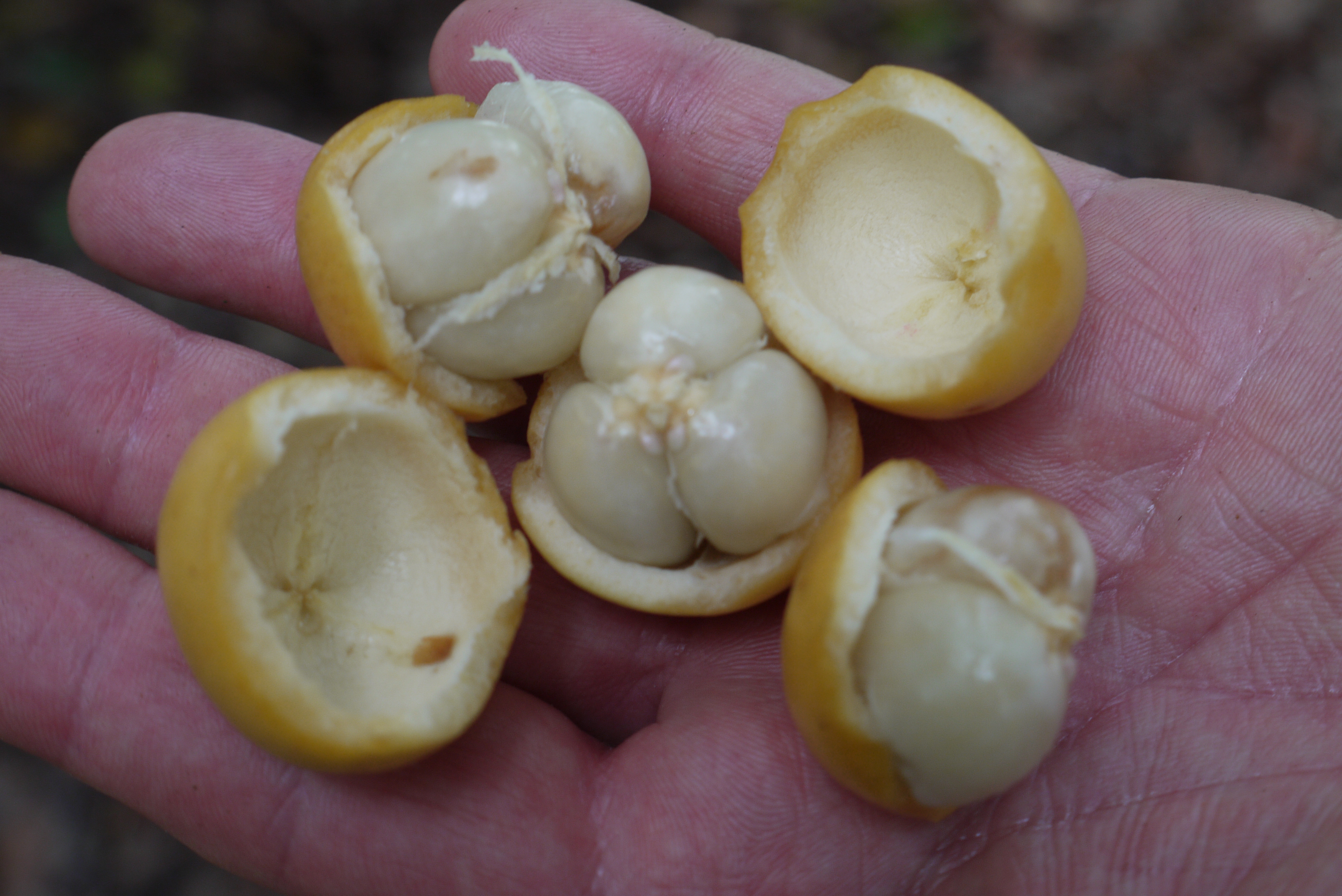
The botanist Julia Morton, in Fruits of Warm Climates (1987), describes a slow-growing tree usually 9 to 12 metres tall, with male and female flowers on separate trees. Under the fruit's thin, velvety skin are three to five segments of white pulp.
According to NTV Online, "Narsingdi's latkan" received geographical indication (GI) recognition on 30 April 2025, when the certificate was handed to Narsingdi's deputy commissioner, Mohammad Rashed Hosen Chowdhury, at the Bangladesh Foreign Service Academy. The district administration had applied in 2023.
What is in the fruit
The 2022 review says latkan contains vitamins, minerals and fibre, along with bioactive compounds such as phenolic acids, flavonoids and carotenoids. The analyses it compiles for 100 g of the edible part give these values:
- Energy: 64 to 65 kcal; water 79 to 83.7 per cent
- Carbohydrate: 14.6 to 16.1 g; protein 0.2 to 0.4 g; fat 0.1 to 0.4 g
- Vitamin C: 5 to 11.2 mg
- Calcium 5 to 13 mg, phosphorus 13 to 20 mg, iron 0.2 to 0.8 mg, potassium 111 to 142 mg
- Fibre: 0.1 g or less
The review's authors write that two or three fruits meet the daily vitamin C requirement, yet the table in the same paper lists 5 to 11.2 mg of vitamin C per 100 g. They also note that nutrient content changes with cultivation, place, climate and the age of the tree. It is more sensible to treat latkan as one fruit among many than as a main source of vitamin C or fibre.
Precautions when eating it
Teeth: the review reports malic, tartaric, citric and oxalic acids in ripe latkan. The UK's Oral Health Foundation says that every time you eat or drink something acidic, tooth enamel softens and loses minerals. It advises keeping acidic foods to mealtimes and waiting at least an hour after eating before brushing.
Young children: each fruit holds three to five large seeds in its pulp. The Jagonews24 report warned that small children may swallow them and should eat latkan under adult supervision. The choking guidance of the US Centers for Disease Control and Prevention (CDC) likewise says to watch a child at all times while eating and to keep mealtimes calm, without rushing.
Diabetes: the report advised people with diabetes not to eat many at once and to follow a doctor's or nutritionist's advice. By the figures above, 100 g of latkan carries 14.6 to 16.1 g of carbohydrate.
Washing and ways to eat it
The Jagonews24 report advised washing latkan well after buying. The US Food and Drug Administration (FDA) says all produce should be washed thoroughly under running water before eating, and does not recommend soap, detergent or commercial produce wash. Drying with a clean cloth or paper towel further reduces bacteria on the surface.
Latkan is usually eaten fresh. According to the review and Morton's book, the ripe fruit can also be made into juice, jam and vinegar, or eaten cooked.
Photo: Salim Khandoker / Wikimedia Commons (CC BY-SA 3.0)
Sources: Jagonews24, Food Science & Nutrition (Debnath et al., January 2022), NTV Online (30 April 2025), Julia Morton: Fruits of Warm Climates (1987), Oral Health Foundation, US CDC, US FDA, Wikipedia
Comments
(0)