
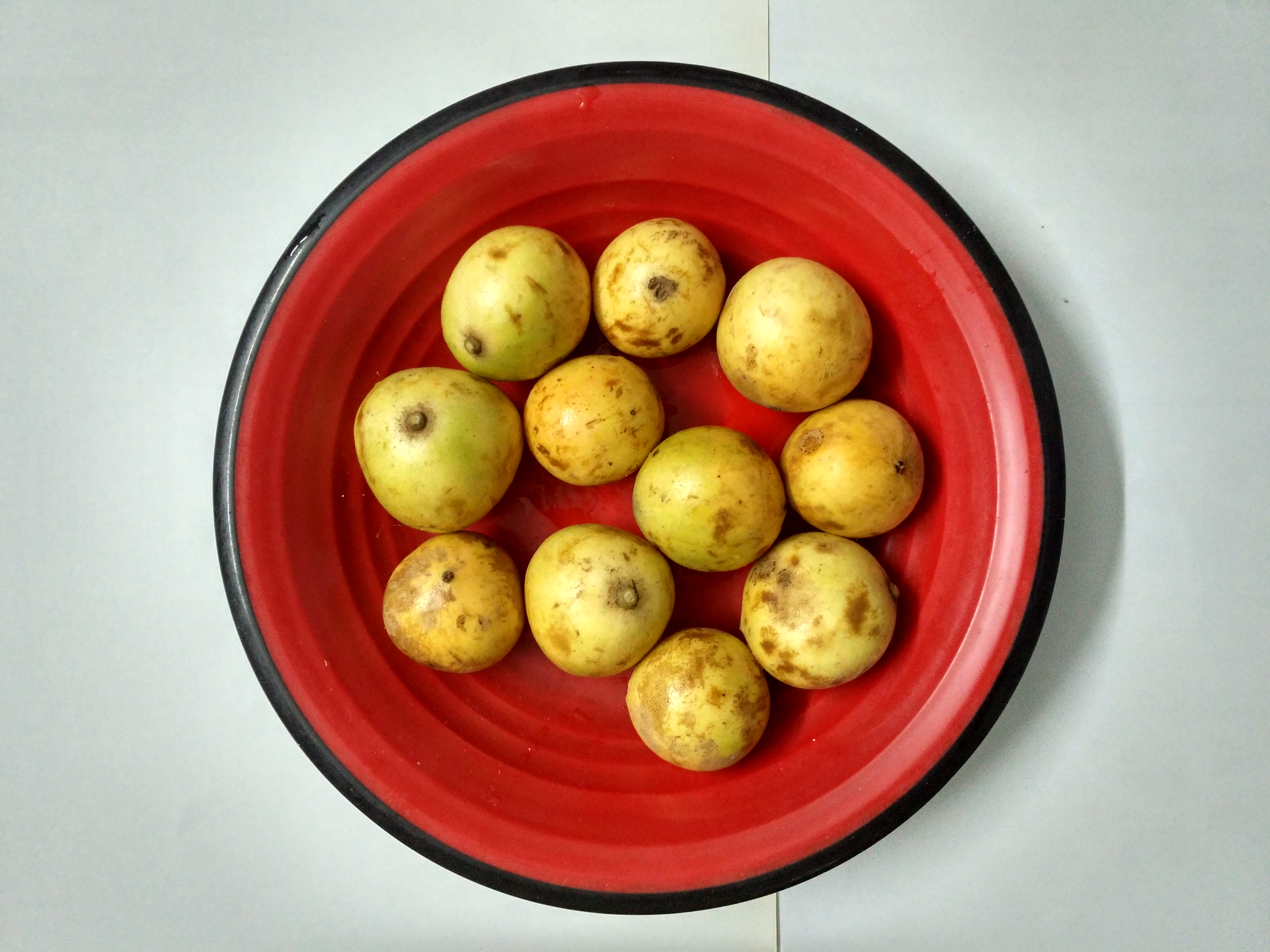
In June 2026, as latkan reached the markets with the monsoon, Jagonews24 set out a few rules for storing this sour-sweet local fruit properly. Latkan is seasonal and on sale for only a short time, so many people buy a lot at once. The report said that heat, humidity or storing it the wrong way can make the fruit rot quickly and spoil its taste, smell and nutritional value.
What latkan is and where it grows
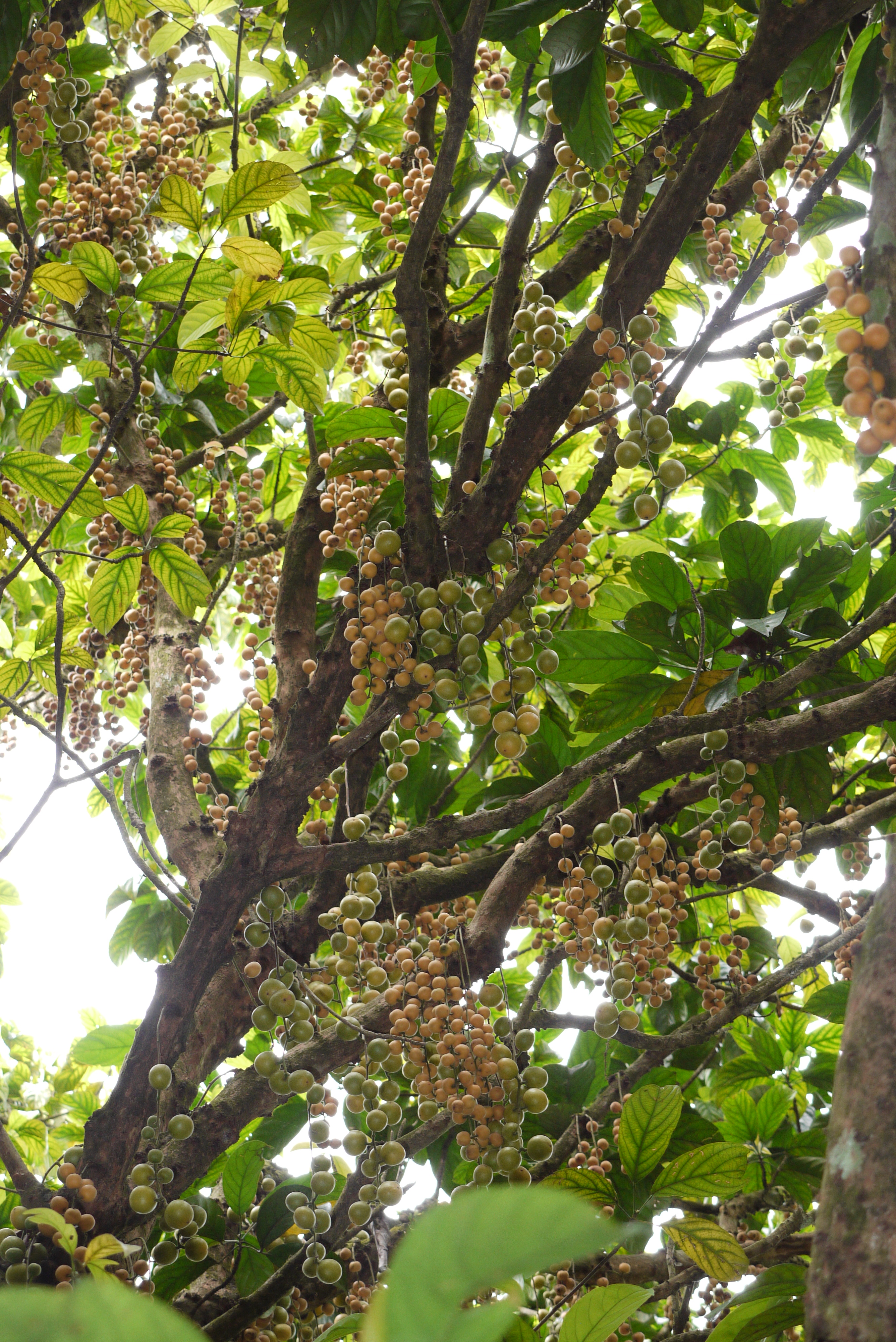
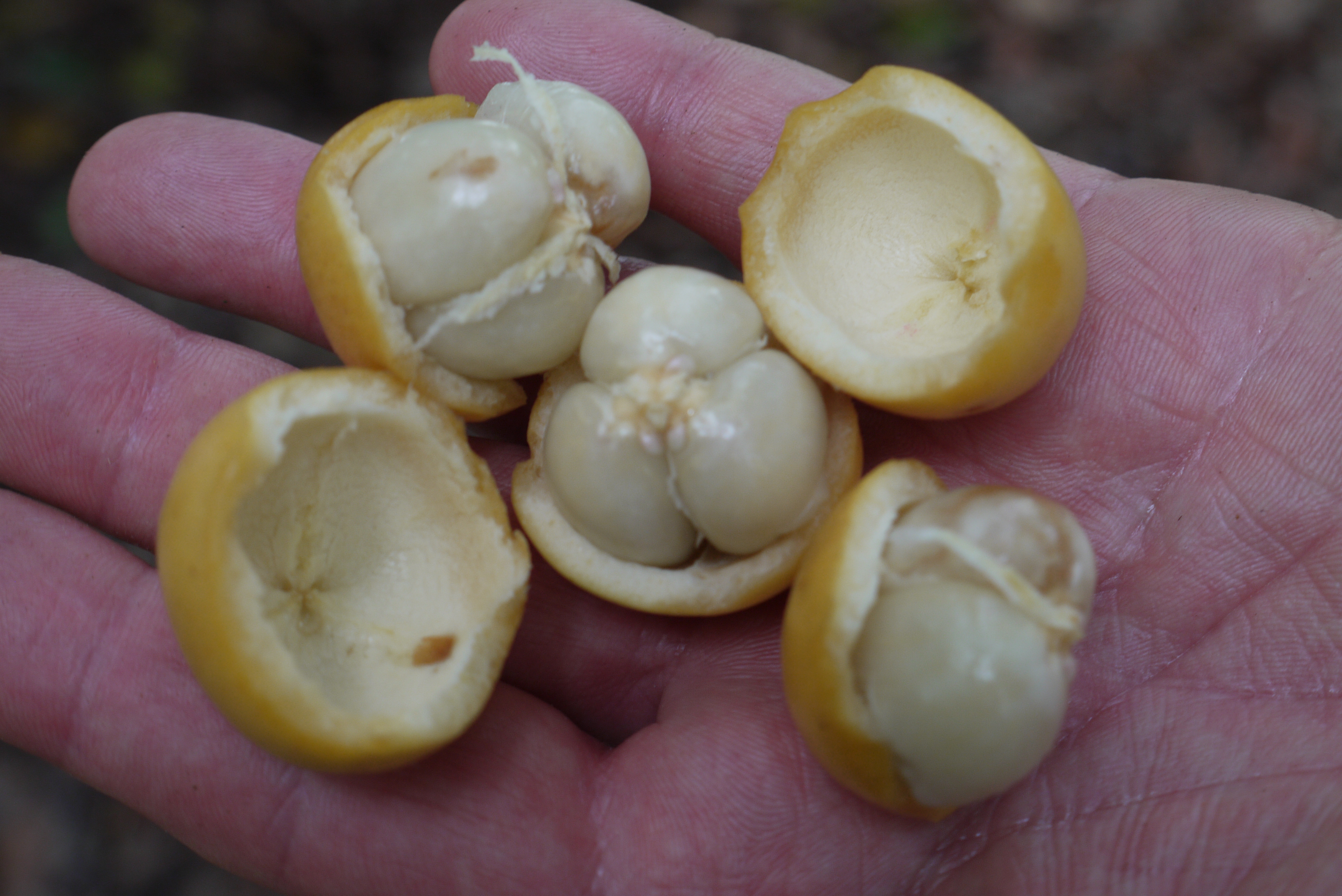
Latkan ripens in the Bengali months of Asharh and Shraban, during the monsoon. It grows in clusters and the ripe fruit has a yellow skin. Each fruit holds two to five seeds wrapped in the juicy flesh that is eaten, sour or sour-sweet depending on the variety. In Bangladesh it also goes by names such as bubi, latka and harphata.
A review published in the journal Food Science & Nutrition in 2021 identified latkan as rambai (Baccaurea motleyana) and said it is grown in several districts of Bangladesh, including Narsingdi, Gazipur, Sylhet and Netrokona. English Wikipedia, however, links the name latkan to the Burmese grape (Baccaurea ramiflora). Narsingdi produces the most latkan in the country. According to NTV Online, "Narsingdi latkan" received geographical indication (GI) status on 30 April 2025, after the district administration applied in 2023.
What research says about its nutrients
According to the Food Science & Nutrition review, the fruit is a good source of vitamins, minerals and dietary fibre, and contains bioactive compounds such as phenolic acids, flavonoids, carotenoids and terpenes. Vitamin C is its main vitamin, followed by vitamin B3, and potassium is the most abundant mineral in the ripe fruit. The review also notes that a lack of vitamin C lowers the body's immunity.
From the market to the fridge
The U.S. Food and Drug Administration (FDA) advises choosing produce that is not bruised or damaged, and removing damaged parts and throwing out rotten produce before preparing it. With latkan, that means picking split or rotting fruit out of a bunch.
Jagonews24 said latkan can be kept in the fridge to make it last a few days longer. The FDA likewise says perishable fruit should be stored in a clean refrigerator at 40 degrees Fahrenheit or below, and that cut or packaged produce must be refrigerated.
Freezing for longer storage
For longer storage latkan can be frozen. Combining the advice of Jagonews24 with the guidance of the National Center for Home Food Preservation at the University of Georgia in the United States, the steps are:
- Peel the fruit to free the flesh and separate the seeds.
- Divide it into small portions, each the amount you will use at one time.
- Pack tightly, leaving as little air as possible, and seal well.
- If you like, freeze it first in a single layer on a tray, then pack it as soon as it is frozen to prevent freezer burn.
Freezing changes the fruit's natural texture somewhat. In the centre's words, frozen fruits have a mushy texture when thawed, so they are best served while a few ice crystals remain. That makes frozen latkan most useful for juice or desserts.
When to wash it, and how to preserve it
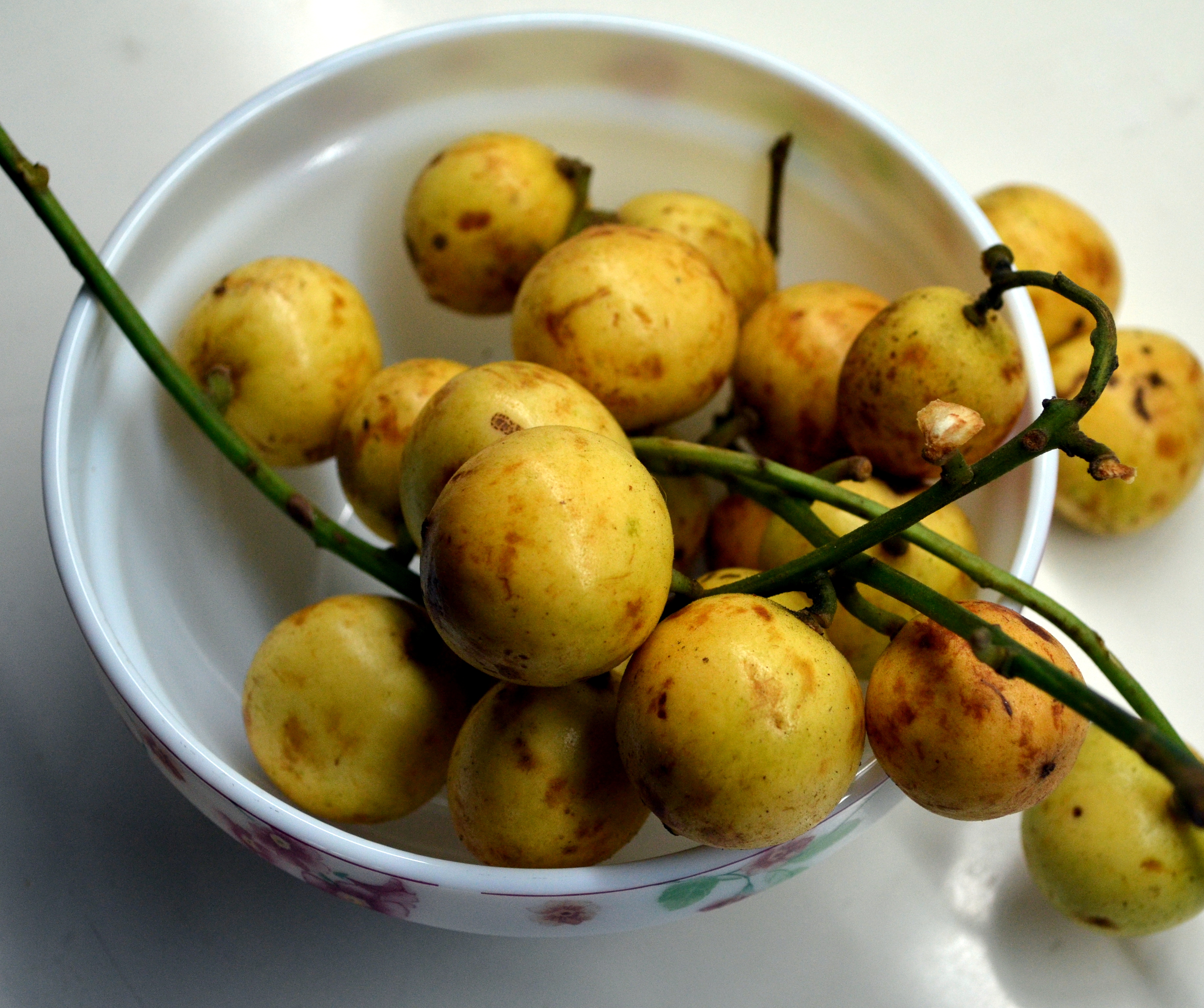
Jagonews24 advised against washing the fruit and keeping it wet for a long time, recommending washing just before eating; if it has to be washed in advance, it should be dried completely before storing. The FDA similarly says produce should be washed thoroughly under running water before preparing or eating, without soap or detergent, and that drying it with a clean cloth or paper towel afterwards further reduces bacteria. Even if the skin is not eaten, the fruit should be washed before peeling so that dirt and bacteria are not carried from the skin to the flesh.
Besides eating it fresh, latkan can be preserved. According to the Food Science & Nutrition review, the ripe fruit is made into juice and jam, and Jagonews24 also suggested jam and juice as ways to keep it.
Photo: Salim Khandoker / Wikimedia Commons (CC BY-SA 3.0)
Sources: Jagonews24, Food Science & Nutrition (2021 review), NTV Online, U.S. Food and Drug Administration (FDA), National Center for Home Food Preservation (University of Georgia), Wikipedia
Comments
(0)