
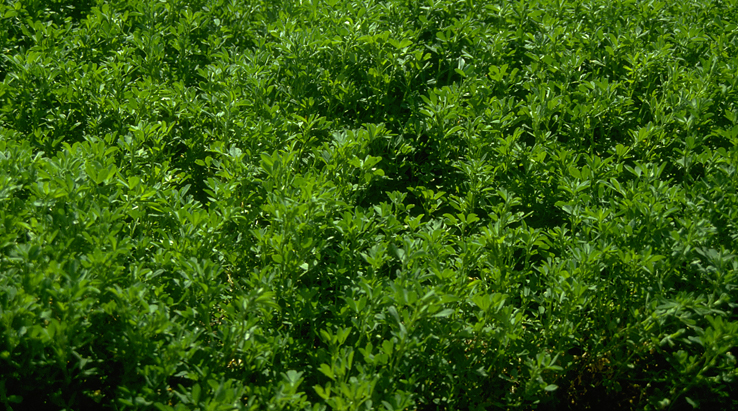
Dry weather has left many parts of North Dakota short of hay, with crops down to 50 percent of normal, and drought-damaged cereals that would normally be combined for grain have been baled instead to ease the squeeze. That shortage is tempting producers to take one more cut of alfalfa this autumn, and North Dakota State University Extension is warning that the decision could cost them next year.
"The rule of thumb for late summer and early fall management of alfalfa is 'no cut September'," said James Rogers, NDSU Extension forage crops production specialist. The plant needs five to six weeks of active growth after its last harvest to move nutrients from the top growth into the roots and crown, a process that stops at the first killing freeze of 24 degrees Fahrenheit (about minus 4 Celsius).
Cutting too late leaves the plant without those reserves, raising the chance of winterkill, slowing spring growth and shortening the life of the stand. Stands older than four years, low in potassium and phosphorus, or of varieties with a poor winter-survival rating are the most vulnerable, Rogers said.
One option is to wait until carbohydrate reserves have built up and temperatures are low enough that any regrowth will not deplete them before a killing freeze; alfalfa barely regrows once temperatures average 41 degrees Fahrenheit (5 Celsius), typically by mid-October. After a killing frost the residual forage is best harvested by grazing, since post-frost hay rarely cures well and loses leaves.
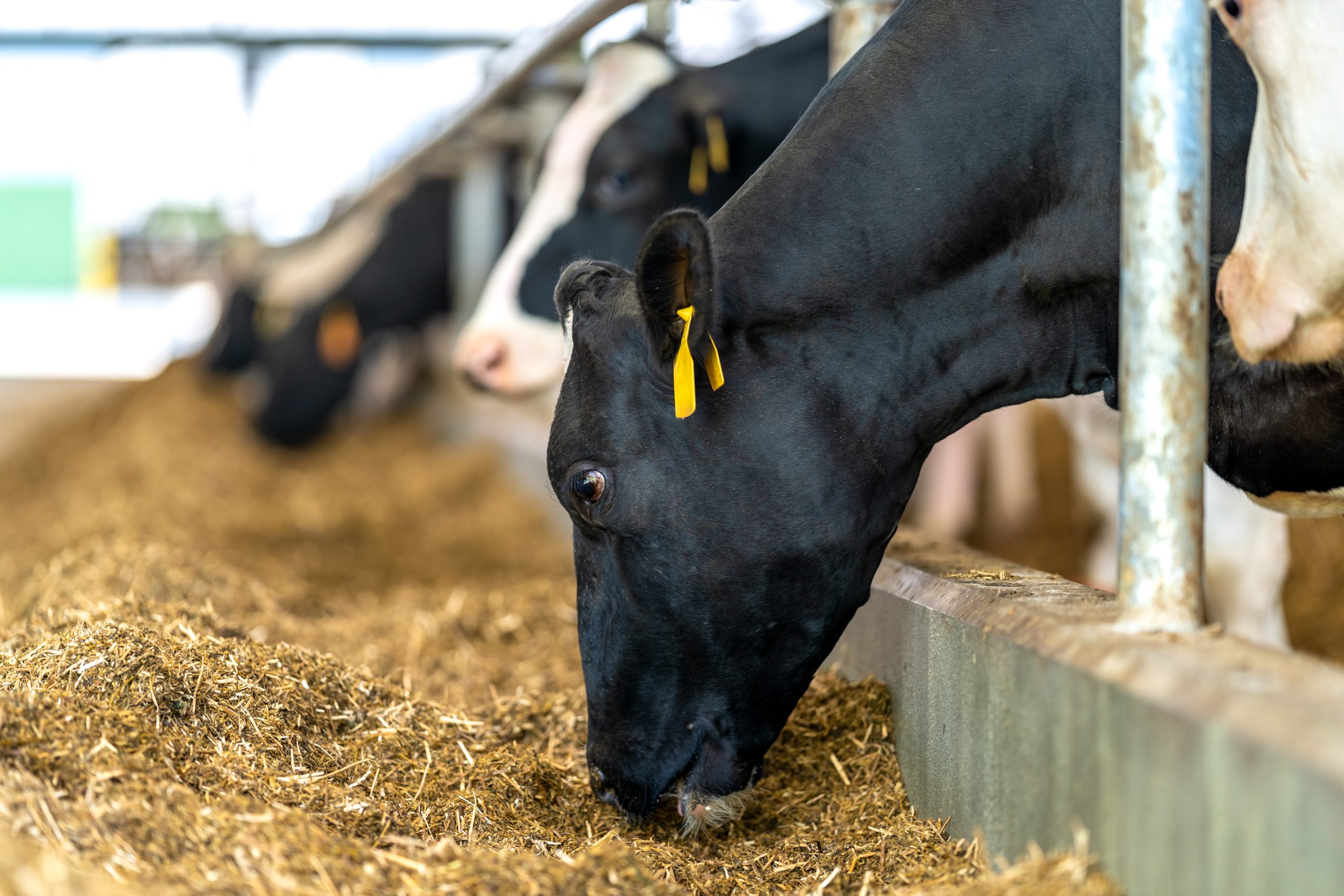
Grazing carries its own rules. "For grazing, wait until the alfalfa has dried for a minimum of 10 days to reduce potential bloat risk," said Miranda Meehan, NDSU Extension livestock environmental stewardship specialist, because frost ruptures plant cells and releases soluble proteins. Wet fields should be avoided to keep hooves from damaging crowns.
Whether cut or grazed, the stand should not be taken short: Rogers recommends leaving at least 4 to 6 inches of stubble to catch snow and protect the crown. Timed properly, Meehan said, late-season alfalfa can add grazing days or hay inventory on drought-hit ranches without hurting the stand; taken carelessly, this autumn's extra forage becomes next year's lost production.
Source: Morning Ag Clips
Comments
(0)