
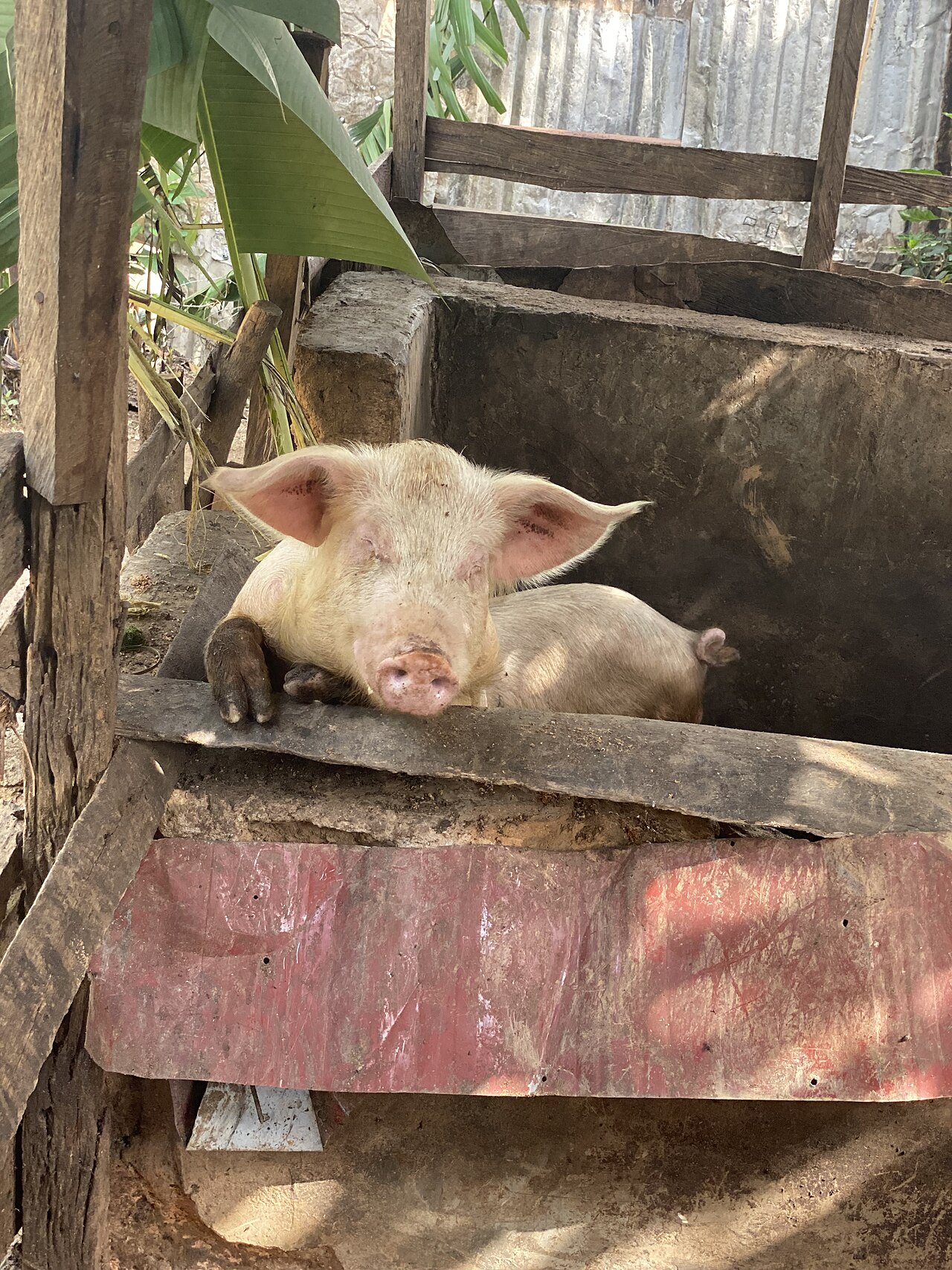
A review by Chinese researchers finds that the probiotic bacterium Lactobacillus acidophilus is one of the most promising alternatives to antibiotic growth promoters in livestock, but that consistent results on commercial farms are still missing.
L. acidophilus is a well-studied lactic acid bacterium found in animals' guts. The review says it can suppress harmful bacteria, strengthen the gut barrier, regulate immune responses and improve the balance of gut microbes.
The best evidence is in pigs, especially at weaning, when piglets often suffer digestive upsets, eat less and fall ill more easily. Across many studies, supplements were linked to better growth, better nutrient digestion, a stronger gut barrier and less inflammation. In poultry, studies tie the bacterium to better gut health, immunity and resistance to pathogens, and some suggest stronger vaccine responses, but results vary with bird genetics, management, diet and product. In cattle and other ruminants, there is not enough evidence that it improves performance, milk yield or rumen function, although some studies point to benefits for calf health and diarrhoea.
One reason for the gap, the authors say, is that many studies were done under controlled conditions, often in disease-challenge models where animals are deliberately exposed to pathogens. Commercial farms vary far more in feed, housing, stocking density, climate and disease pressure.
The review also lists practical problems: effects depend on the strain, species, diet, age and farm, and the bacterium is sensitive to heat and oxygen, so it can die during feed processing or storage unless protective technology is used. The authors call for more large-scale farm trials and expect a move towards precision probiotics tailored to species, growth stage and production system.
Photo: Adesolive / Wikimedia Commons (CC BY-SA 4.0)
Source: AgNavigator


Comments
(0)