
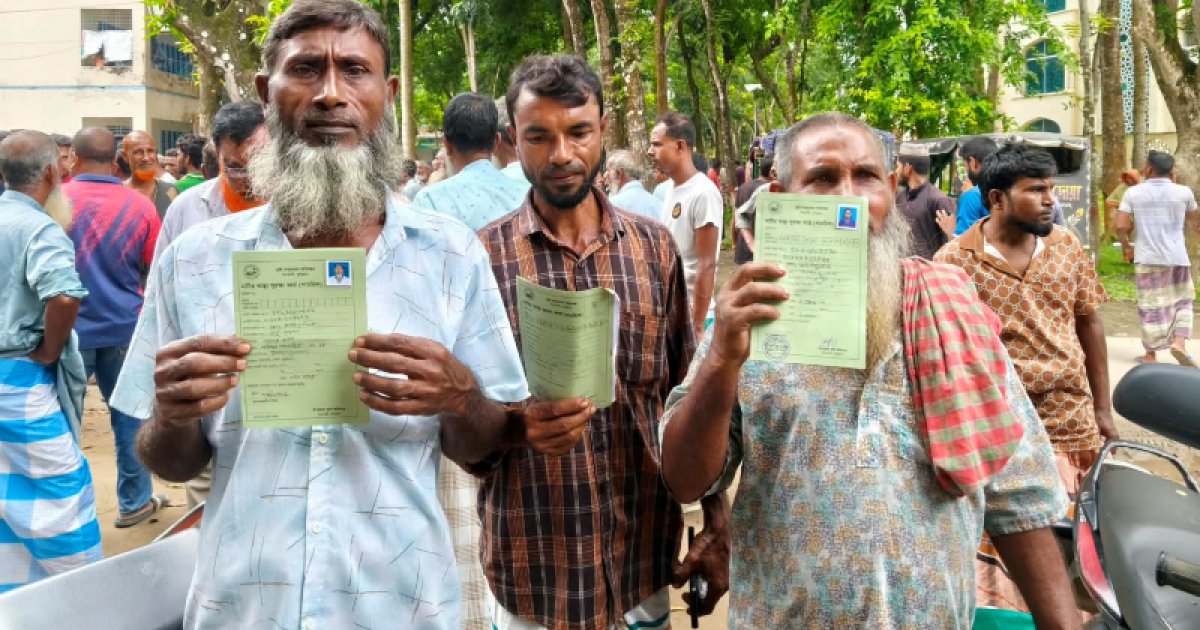
The agriculture department in Kurigram has decided to issue a temporary fertiliser distribution card, the 'Soil Health Protection Card', to make sure farmers actually get fertiliser, Bangla Tribune's Kurigram correspondent reports. Fertiliser will be distributed against the card in the coming rabi season (mid-October to mid-March), and registration has already begun in Chilmari upazila.
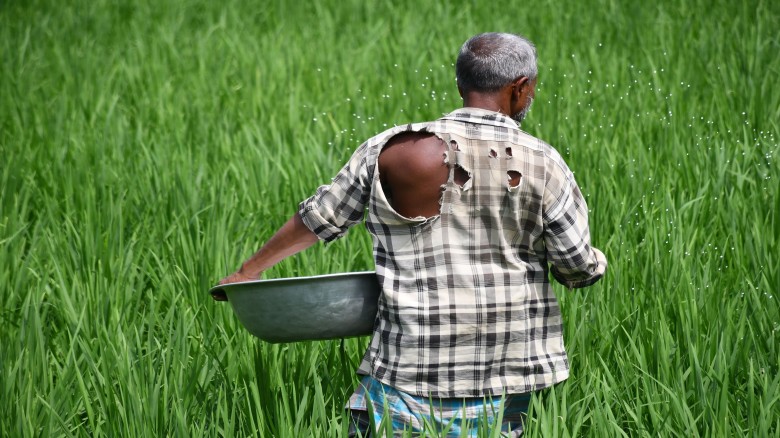
This aman season brought severe discontent over fertiliser in Kurigram: mismanaged distribution, allegations of sales arranged between sub-assistant agriculture officers and dealers or retailers, and non-farmers drawing fertiliser have kept genuine farmers from their share. Protests, looting of dealers' warehouses, road blockades and even attacks on agriculture officers followed, and extra allocations on top of the monthly quota did not fully restore order.
The district has about 584,000 farmers, and the nationwide farmers' card list compiled in 2014 has not been updated since. Block supervisors are now drawing up lists of genuine farmers ahead of rabi, and temporary cards will carry the farmer's photograph, name, address, national ID number and landholding; at each sale the quantity, crop and date will be entered on the card, which must be produced every time.
Abdullah Al Mamun, deputy director of the Department of Agricultural Extension in Kurigram, said issuing fertiliser on the strength of national ID cards alone had let many people besides genuine farmers obtain it. "In the coming rabi season the Soil Health Protection Card will be made on the basis of a specific list and fertiliser distributed against it, so no one but a farmer will be able to take fertiliser," he said.
To meet demand the government allocated an extra 1,000 tonnes of fertiliser for September on top of the regular 4,644 tonnes (3,894 tonnes in September last year), taking the district's urea allocation to 5,644 tonnes, the highest monthly figure of the past five years. Officials say the absence of floods this year has made some low char land cultivable, where farmers have started late aman and early rabi vegetables, creating the extra demand.
Source: Bangla Tribune — Reporting: Kurigram correspondent
Comments
(0)