
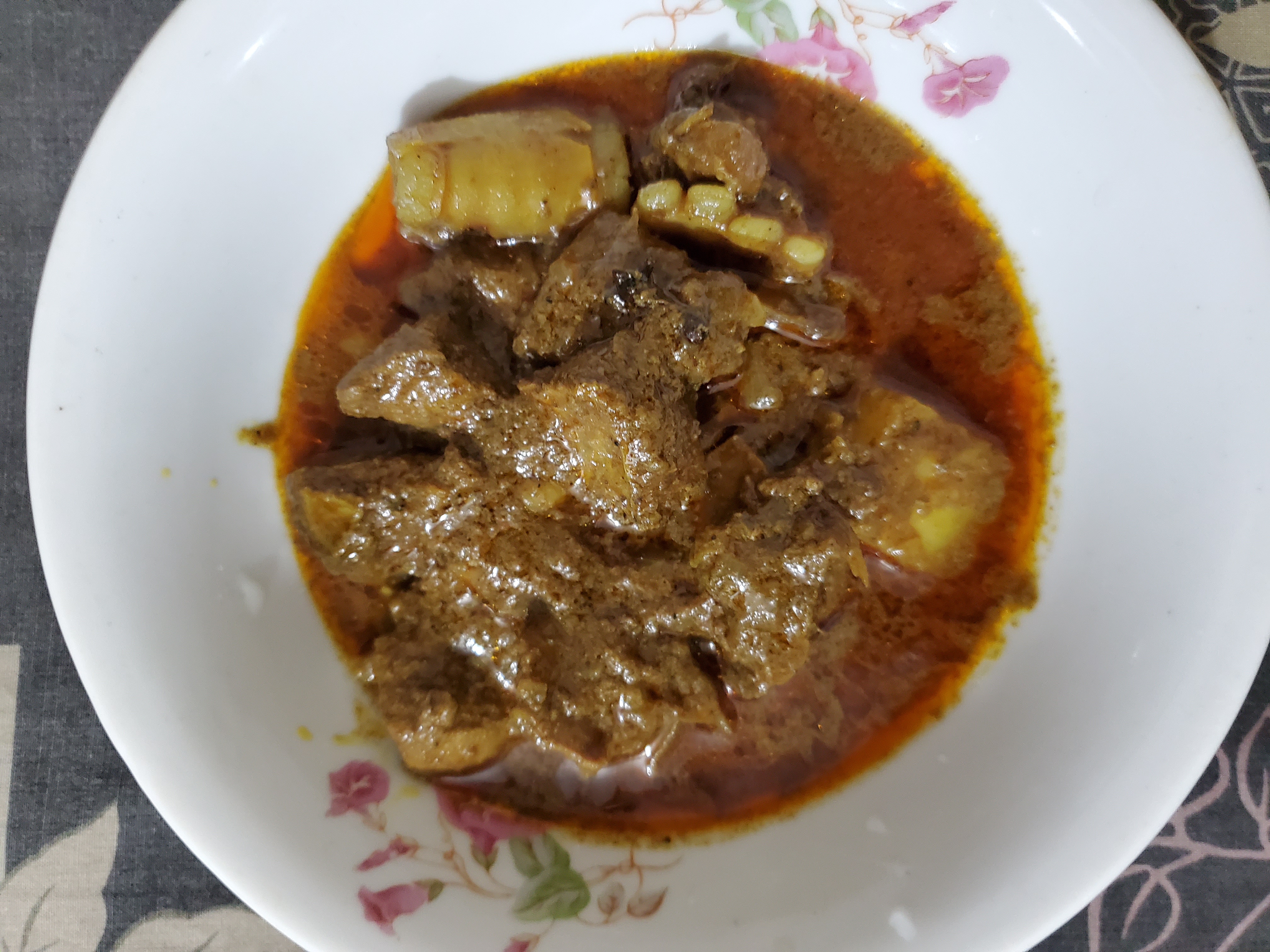
A dish with a slightly different flavour at lunch or dinner on a day off brings the family together around the table. On 19 June 2026 the lifestyle section of Jagonews24 published a simple recipe for just such a meal: liver bhuna with potatoes (alu diye kolija bhuna). The heat of the spices, the soft liver and the spice-coated potatoes go well with hot rice, polao or roti, and the dish needs only ingredients found in most kitchens.
Bhuna is a cooking style from Bengal. An onion, garlic and ginger base is first fried in oil, then the meat is braised in it for a long time until the sauce reduces and thickens, which makes bhuna a characteristically dry curry. In Bangladesh it is most often made with beef or mutton.
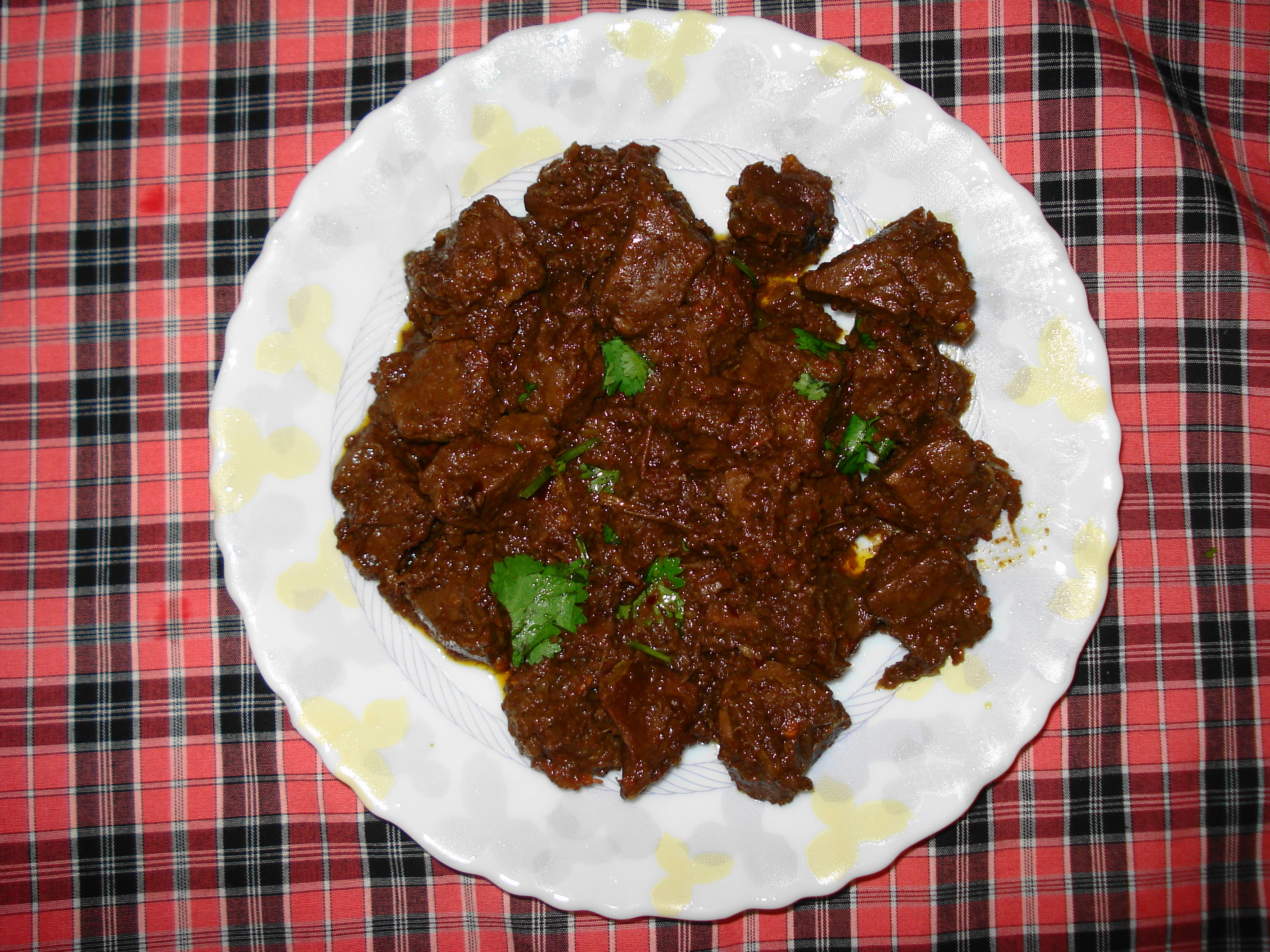
Ingredients
- Liver: half a kilo
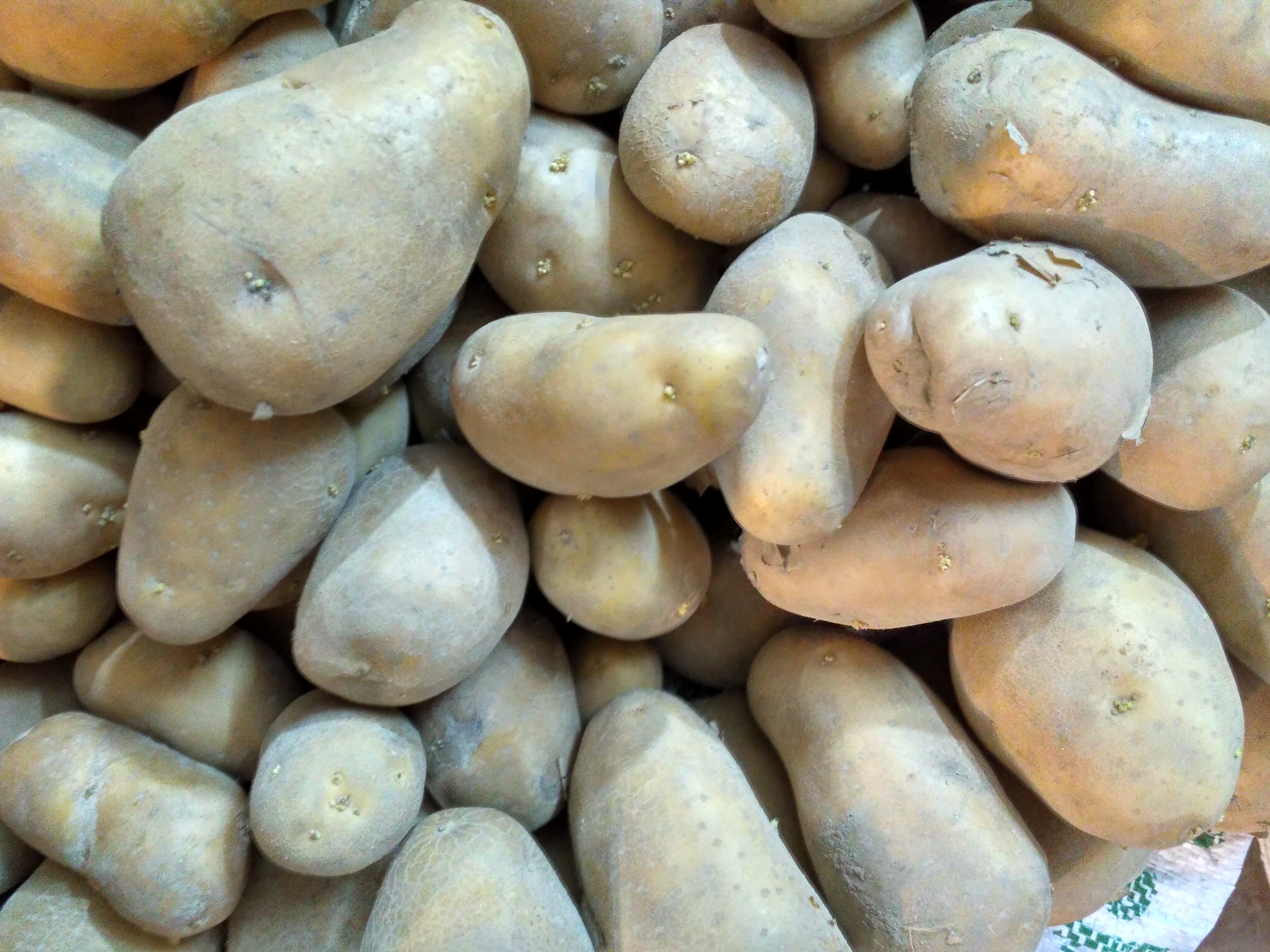
- Potatoes: 2
- Chopped onion: 1 cup
- Turmeric powder: 1 teaspoon
- Chilli powder: 1 teaspoon
- Ginger paste: 1 teaspoon
- Garlic paste: 1 teaspoon
- Ground cumin and ground coriander: 1 teaspoon each
- Garam masala powder: half a teaspoon
- Green chillies: 4 to 5
- Oil: as needed
- Salt: to taste
Method
- Cut the liver into small pieces and leave them in hot water for 5 to 10 minutes, then wash them well in clean water.
- Heat oil in a pan and fry the chopped onion until golden.
- Add the ginger and garlic pastes with a little water, add the ground spices and fry them well.
- When the spices are cooked through, add the liver and cook for about 10 minutes, stirring.
- When oil begins to separate from the liver, add the cubed potatoes and a little water. Cover and cook until the potatoes are done.
- When the potatoes are soft, scatter the green chillies and garam masala powder over the top, leave on low heat (dum) for another 5 minutes and take the pan off the stove.
According to the recipe, the liver bhuna tastes even better served with hot rice, khichuri, polao, paratha or roti.
Buying, storing and cooking liver safely
In its beef guidance, the Food Safety and Inspection Service of the US Department of Agriculture (FSIS) says fresh liver and other variety meats such as kidney and tongue should be cooked or frozen within one or two days when kept in a refrigerator at 40°F (4.4°C). In a freezer at 0°F (-17.8°C) they keep their quality for 3 to 4 months. FSIS advises cooking all organ and variety meats, liver included, to an internal temperature of 160°F (71.1°C).
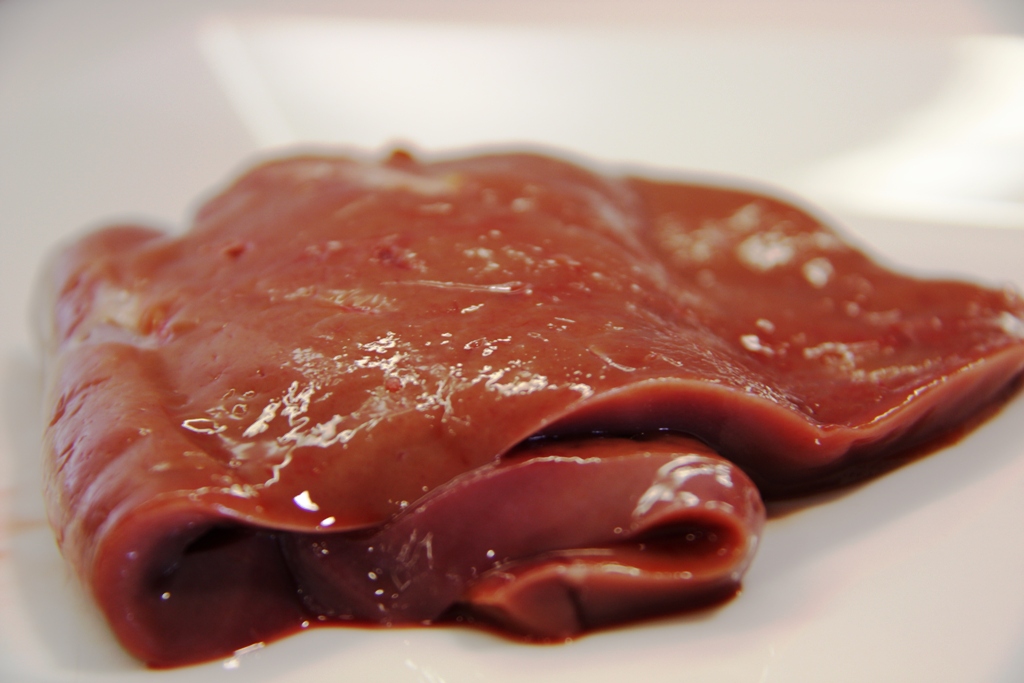
The UK National Health Service (NHS) lists liver as a good source of iron and a particularly rich source of vitamin A. It warns that eating liver more than once a week may mean taking in too much vitamin A, which can make bones more likely to fracture in later life. The NHS advises pregnant women to avoid liver and liver products altogether, because their high vitamin A levels can harm the baby.
Photo: AshiqJB007 / Wikimedia Commons (CC BY-SA 4.0)
Sources: Jagonews24, US Department of Agriculture Food Safety and Inspection Service (FSIS), UK National Health Service (NHS), Wikipedia

Comments
(0)