
The Prophet Muhammad's first marriage, to Khadija bint Khuwaylid, took place around 595 CE. Writing on Prothom Alo's religion page, Manzurul Haque draws on the classical seerah sources to set out its timing, background and the debates around it. By his reckoning the marriage came two to two and a half months after the Prophet returned from his second trade journey to Syria, in the first half of Rabi al-Awwal in the 28th year before the Hijra, when the Prophet was a little over 25.
Khadija's age is disputed. Most reports, including those of Ibn Saad and Ibn Hisham, give 40. Some scholars prefer 28, based on a report from Ibn Ishaq, and ages of 30 or 35 also appear. The writer notes that many classical and modern scholars still favour 40 because more and older reports support it.
According to the seerah, Khadija, impressed by the Prophet's honesty and business sense, sent Nafisa bint Munya as a go-between. After he agreed, her paternal uncle Amr ibn Asad acted as her guardian at the ceremony, her father having already died. A report that she won her father's consent by making him drunk has been rejected as weak by most hadith scholars, including Ibn Kathir, Ibn Hajar al-Asqalani and al-Suhayli.
Abu Talib spoke for Banu Hashim. The best-known report puts the mahr at twenty young camels, guaranteed by Abu Talib and Hamza; some reports value it at 500 silver dirhams. A wedding feast followed.
The marriage is also linked to Zayd ibn Haritha. Khadija's nephew Hakim ibn Hizam bought the boy at the fair of Ukaz and gave him to his aunt; after the wedding she gave him to the Prophet, who freed him and raised him as a son.
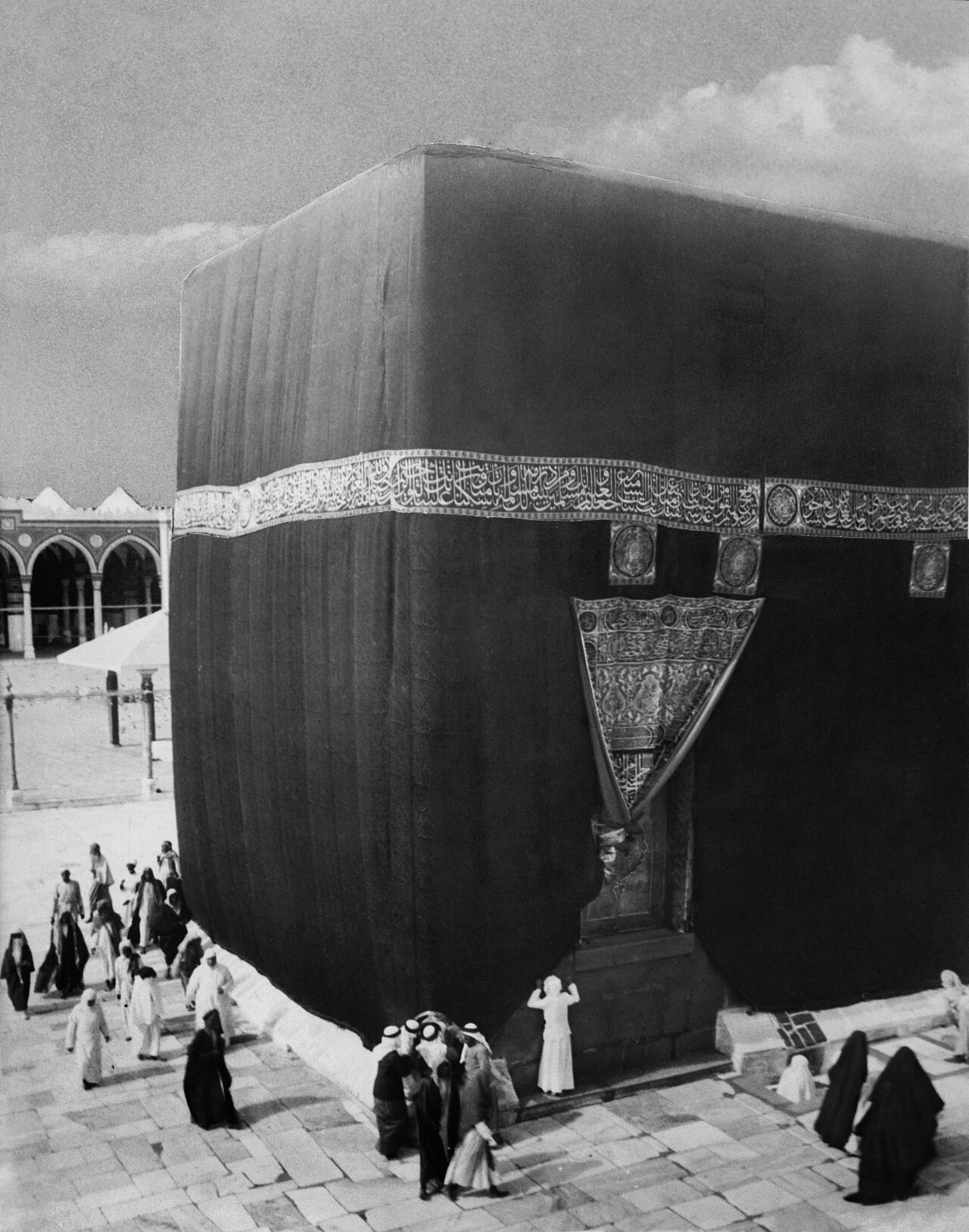
Six children were born to the couple: al-Qasim and Abdullah, who died in childhood, and Zaynab, Ruqayya, Umm Kulthum and Fatima. The house in Mecca where the marriage took place is known as Dar Khadija, and for twenty-five years, until her death, the Prophet took no other wife.
The article was published on Prothom Alo's religion page; its writer is Manzurul Haque.
Photo: G. Eric or Edith Matson / Wikimedia Commons (public domain)
Source: Prothom Alo
Comments
(0)