
Petrol sold in Karnataka contains more ethanol than the national E20 limit allows, according to tests released by the state's Legal Metrology Department on Friday. Eleven of 14 samples analysed were above 20 percent, the highest at 31.2 percent, in petrol supplied by Indian Oil Corporation.
Hindustan Petroleum followed at 30.5 percent, with other samples at 27 percent (Hindustan Petroleum), 26.5 percent (Bharat Petroleum), 26.1 percent (Nayara) and 25.5 percent (Shell). Only three samples were within the limit: Bharat Petroleum at 19.9 percent, Mangalore Refinery and Petrochemicals at 19.2 percent and Shell at 13.5 percent.
The samples came from seven districts, Bengaluru, Kolar, Chikkaballapura, Bengaluru Rural, Ramanagara, Mangaluru and Tumakuru, on the orders of Food and Civil Supplies Minister Rizwan Arshad. The Civil Supplies Department said it had collected 63 samples across the state in all.
Arshad said the state had relied on the Union government's assurance that E20 petrol would not harm consumers, and he has asked the Union ministers for petroleum and road transport to say how much ethanol is actually in the country's petrol.
The department puts the possible cost to motorists at nearly Rs 1.01 lakh crore a year: about Rs 62,000 crore from lower mileage and Rs 39,000 crore in repairs to fuel pumps, filters, injectors, hoses and seals. It says nearly 99 percent of India's 35 crore vehicles were not designed for blends above E20, and that vehicles sold after April 2023 are certified up to E20. These are the state department's own estimates. The report carries no response from the oil companies or the Union government.
Karnataka wants ethanol content shown at petrol pumps, a choice of fuel blends, and action against companies supplying above the limit. It also proposes an E20 compensation fund that would repay owners for verified damage through time-bound claims. It plans to keep testing under the 2005 order on motor spirit and diesel supply, which lets designated state officials, including district administrations and authorised police officers, act against irregularities.
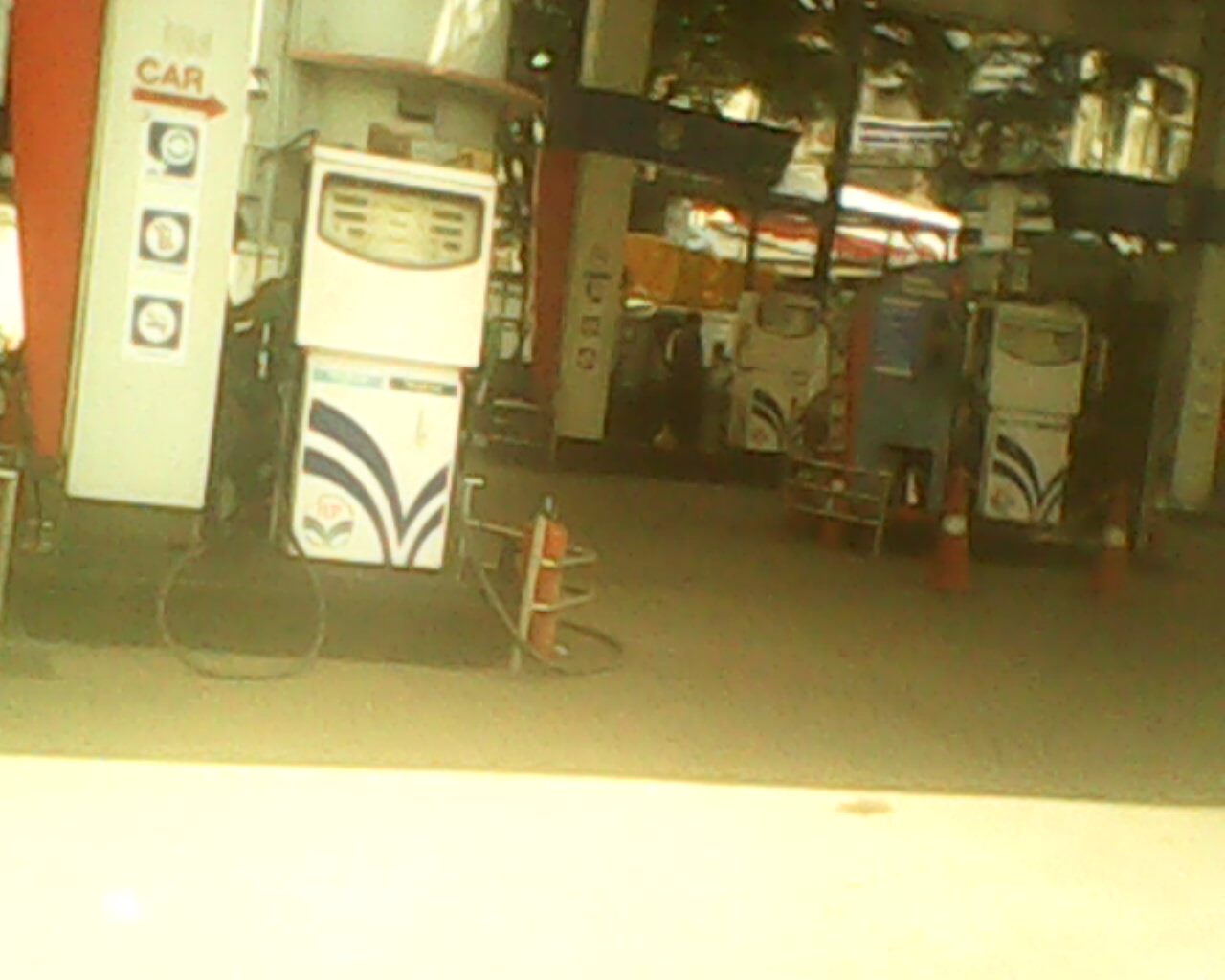
Photo: Sandeepdwivedisd / Wikimedia Commons (CC BY-SA 3.0)
Source: Rural Voice
Comments
(0)