
In Jordan, one of the world's most water-scarce countries, the garden around Abu Ubaida mosque lives on the water worshippers use for wudu, the ablution before prayer. It needs no municipal supply or water brought in: the water that used to run down the drain after ablution is now the garden's main source of irrigation. It took 18 years of work to get there.
Much of Jordan is arid, too dry to grow enough crops, and most of its grain has to be imported. Many areas get water only at set times, some for just 12 hours a week. Against that background the Jordanian Aqua Conservation Association set out to reuse ablution water. "People here know very well what water shortage means," says its founder, Ahmed al-Roshan.
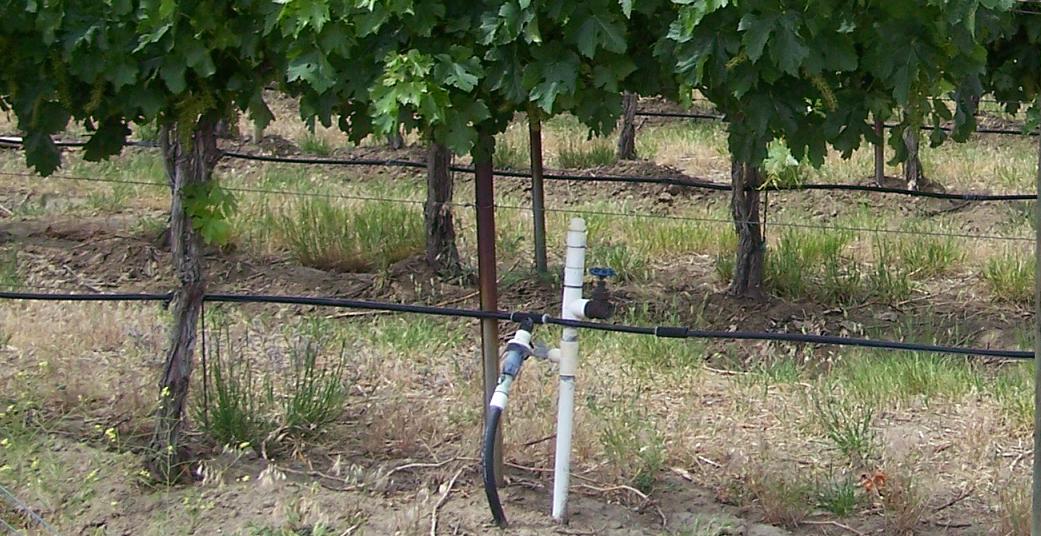
The water does not go straight to the trees. Al-Roshan explains that no soap is used for wudu in the mosque, so the water carries no detergent and can be cleaned by simple natural means. It flows through five layers of gravel and sand that act as a filter, trapping dirt and suspended particles. The filtered water then enters drip-irrigation pipes buried in the soil, which deliver it slowly to the roots and cut waste.
The association began in 2008. Its aim was not one successful mosque but to spread the method to other mosques and schools, and in 18 years it has reached 18. At every mosque, al-Roshan says, the same question came up: who looks after the system once it is installed, the imam or the caretaker, since each has duties set by the ministry. The lesson was that installing the technology is not enough; responsibilities have to be assigned and people persuaded.
Religious leaders have been brought in to spread the idea. Through the ministry concerned, imams, muezzins, women preachers and technicians have been trained in water conservation, and Friday sermons speak about not wasting water, so that people come to see saving water as a moral duty as well.
According to the ministry, between 2017 and 2024 more than 50 mosques in Jordan began storing rainwater to irrigate their trees, and more than 35 now reuse ablution water for irrigation and cleaning. The original feature was written for Prothom Alo by Rafia Alam. The photograph shows drip irrigation in general, not the Abu Ubaida mosque.
Photo: Agne27 at English Wikipedia / Wikimedia Commons (public domain)
Source: Prothom Alo

Comments
(0)