
Charity (sadaqah) is an honoured act of worship in Islam, but the source of the money matters for it to be accepted. A piece in Ittefaq's religion section says that if income is not halal, giving it away does not earn Allah's pleasure or reward, and that the Quran and hadith give clear guidance on the consequences of giving unlawful money and on how to be rid of it.
The piece cites a narration in al-Tabarani's al-Mu'jam al-Awsat (hadith 9375): whoever earns wealth unlawfully and then gives it in charity or uses it to fulfil his duties to relatives, it becomes a burden and a sin upon him. Spending haram money even on one's family does not lift the sin.
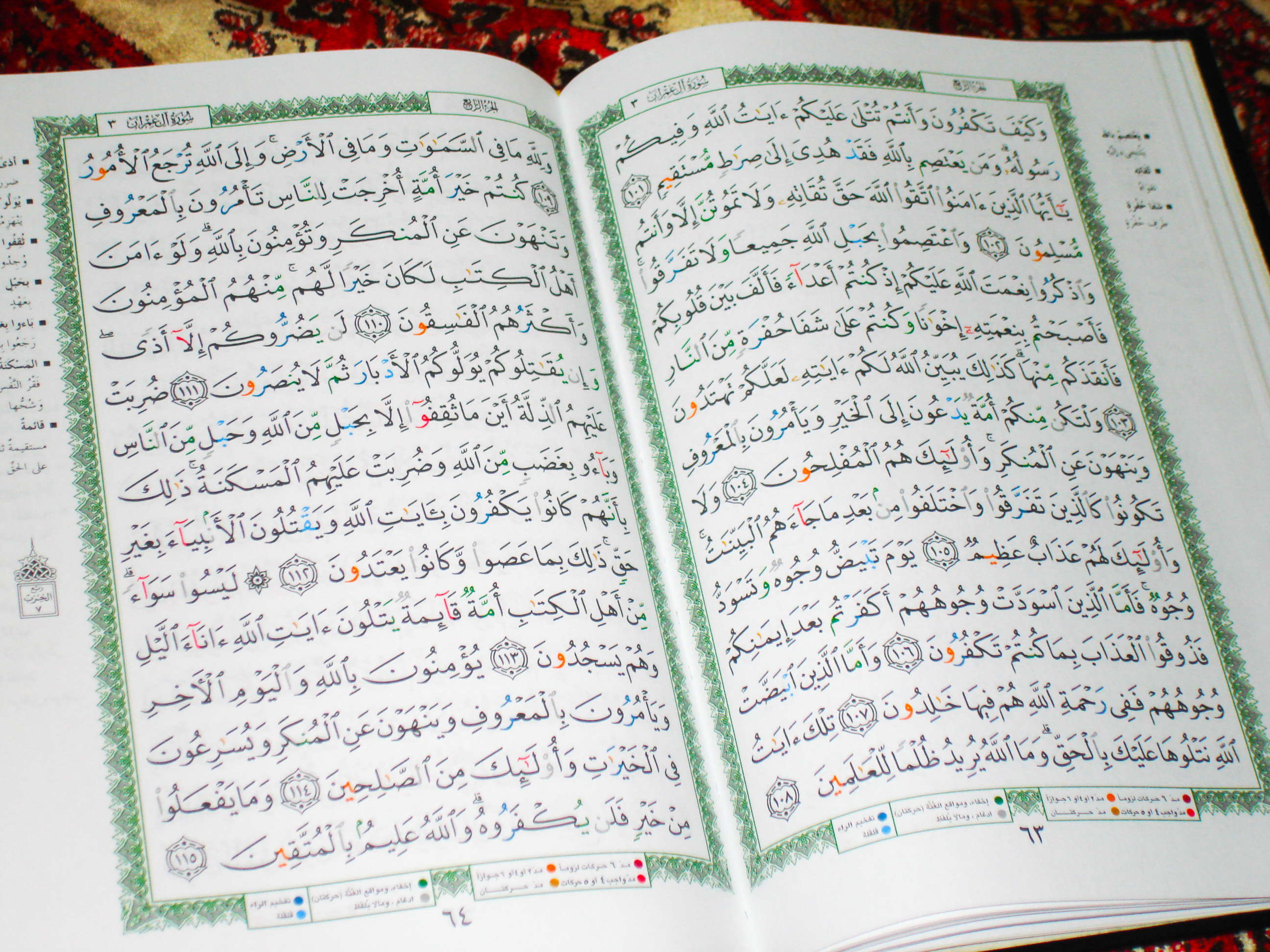
Unlawful food and earnings also stand in the way of other worship and of prayers being answered. Verse 51 of Surah Al-Mu'minun tells the messengers to eat of good, pure things and do righteous deeds, and verse 172 of Surah Al-Baqarah tells believers to eat of the good things Allah has provided for them.
In a hadith in Sahih Muslim (1015), narrated by Abu Hurairah, the Prophet (peace be upon him) described a man on a long journey, dishevelled and dusty, who raises his hands to the sky crying "O my Lord, O my Lord", while his food, drink and clothing are unlawful and he has been nourished by what is unlawful; how then can his prayer be answered?
For someone who has earned money unlawfully in the past, the piece sets out what to do. First, give up the unlawful source at once and repent sincerely. Second, if the money came from taking others' property or rights, return it to its rightful owners, with compensation if needed. If the owners or creditors cannot be found, the money should be given to the poor and needy, not with the intention of earning reward as with ordinary charity, but to be free of the burden of unlawful wealth.
Having done this, the piece says, a person may not receive the reward of ordinary charity but can hope for Allah's forgiveness through sincere repentance and reform. Giving unlawful money to charity or good causes does not wipe out the guilt of earning it; earning a halal living and avoiding haram wealth is the duty of every believer.
Source: Ittefaq

Comments
(0)