
People can be fooled, but nothing escapes Allah's sight, and those who hold that belief keep away from wrongdoing even when they are alone. In Islam this awareness is called taqwa, the fear and consciousness of Allah. In a piece in Prothom Alo's religion section, Nahida Sultana sets out three reasons it matters in daily life: it guards against hidden sins, keeps people honest in their duties, and brings good in this world and the hereafter.
Many people avoid wrongdoing in public for fear of shame but slip into it in private, the writer says; the fear of Allah keeps a person upright even when unseen. True honesty is keeping trusts and duties when no one is watching: a trader in the quality and weight of goods, an employee in working hours, a teacher in what is owed to students, a parent in raising children.
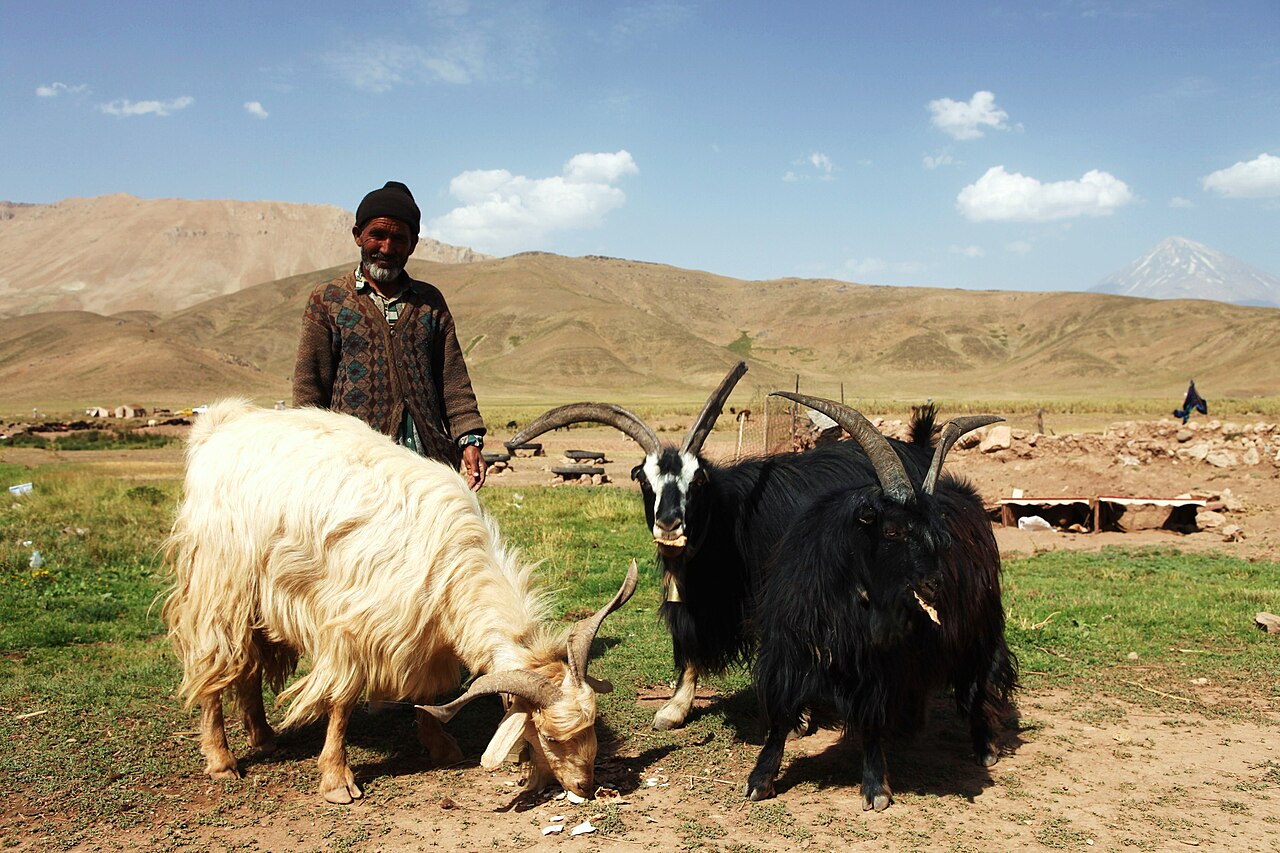
As a living example of taqwa, the piece retells an encounter between the Companion Abdullah ibn Umar and a shepherd boy. Travelling with companions, Ibn Umar tested the boy's honesty by asking him to hand over one goat without telling his master, and to say a wolf had eaten it. The boy raised his head to the sky and answered: "Then where is Allah?" A master can be lied to, but nothing is hidden from Allah.
Islamic terminology calls this constant awareness of being watched by Allah muraqaba. The piece cites verse 14 of Surah Al-Alaq, which asks whether a person does not know that Allah sees, and verse 4 of Surah Al-Hadid: He is with you wherever you are, and Allah sees what you do.
Above it is ihsan. In the well-known hadith of the angel Jibril (Sahih al-Bukhari, hadith 50), the Prophet (peace be upon him) described ihsan as worshipping Allah as though you see Him, and if you do not see Him, knowing that He sees you. The shepherd had an easy chance to do wrong with no one watching, the writer notes, but because ihsan was awake in him, his conscience stopped him.
The boy's single sentence struck Ibn Umar so deeply that he said he himself had more reason to ask "Where is Allah?" He later bought the shepherd from his master together with the flock, set him free and gave him the goats as a gift (al-Tabarani, al-Mu'jam al-Kabir, hadith 13054). The writer's conclusion is that this question should be kept in view in every part of life, because even when people do not see, Allah does.
Photo: ninara / Wikimedia Commons (CC BY-SA 2.0)
Source: Prothom Alo

Comments
(0)