
Islam
Five ways the Prophet taught to control anger, from seeking refuge to wudu
The truly strong person is the one who controls himself in anger; Protidiner Sangbad sets out, with their hadith sources, the five ways the Prophet taught to calm it.
The truly strong person is the one who controls himself in anger; Protidiner Sangbad sets out, with their hadith sources, the five ways the Prophet taught to calm it.
 Islam
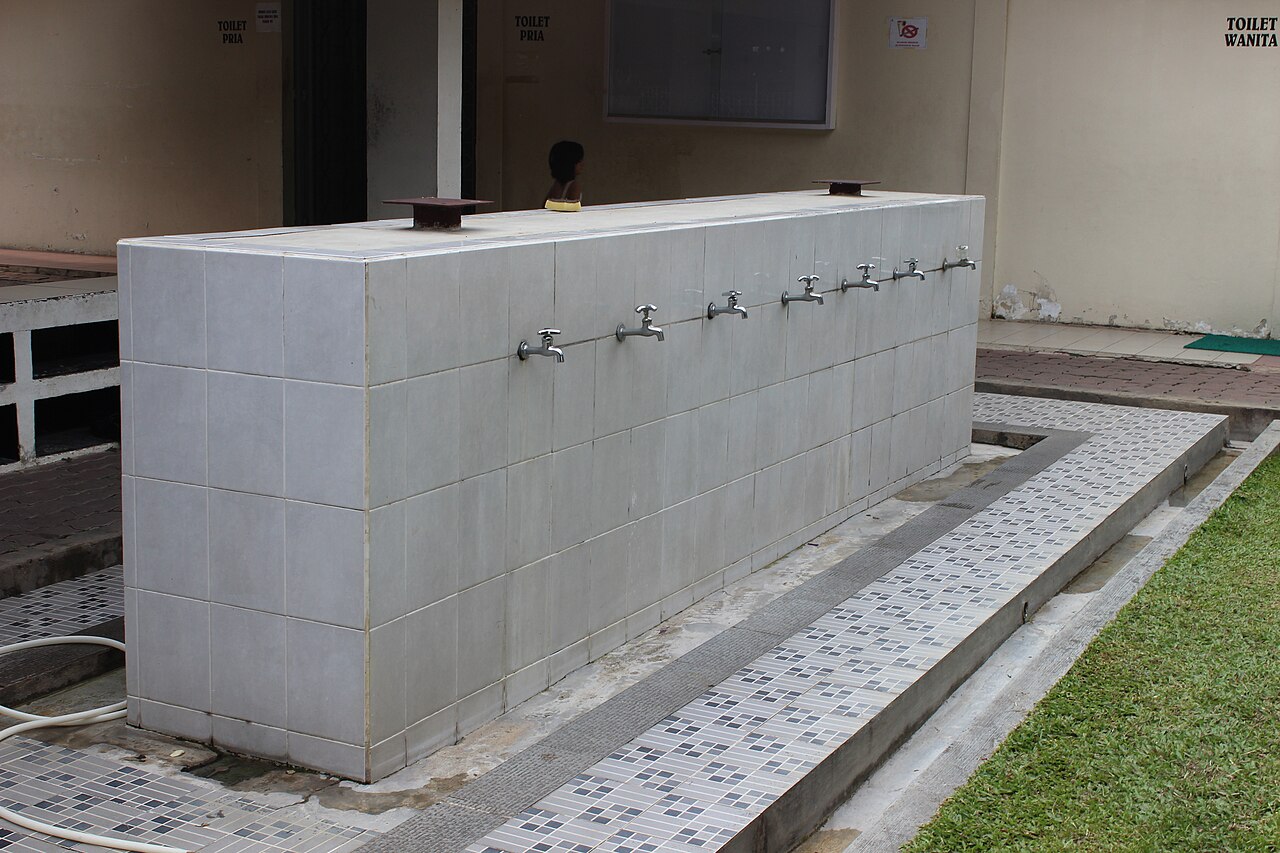
At Abu Ubaida mosque in Jordan, worshippers' ablution water is filtered through five layers of gravel and sand and fed to trees through buried drip lines; in 18 years the scheme has reached 18 mosques and schools.
 Islam
Our Islam sets out the muftis' view that wudu and the obligatory ghusl are valid with a dental cap fitted for treatment, with no need to remove it, while cosmetics such as nail polish must be removed so water can reach the skin.
A prayer offered in honest forgetfulness carries no sin but must be repeated, and mere doubt is no reason to break off a prayer, the hadith and fiqh sources say.
 Islam
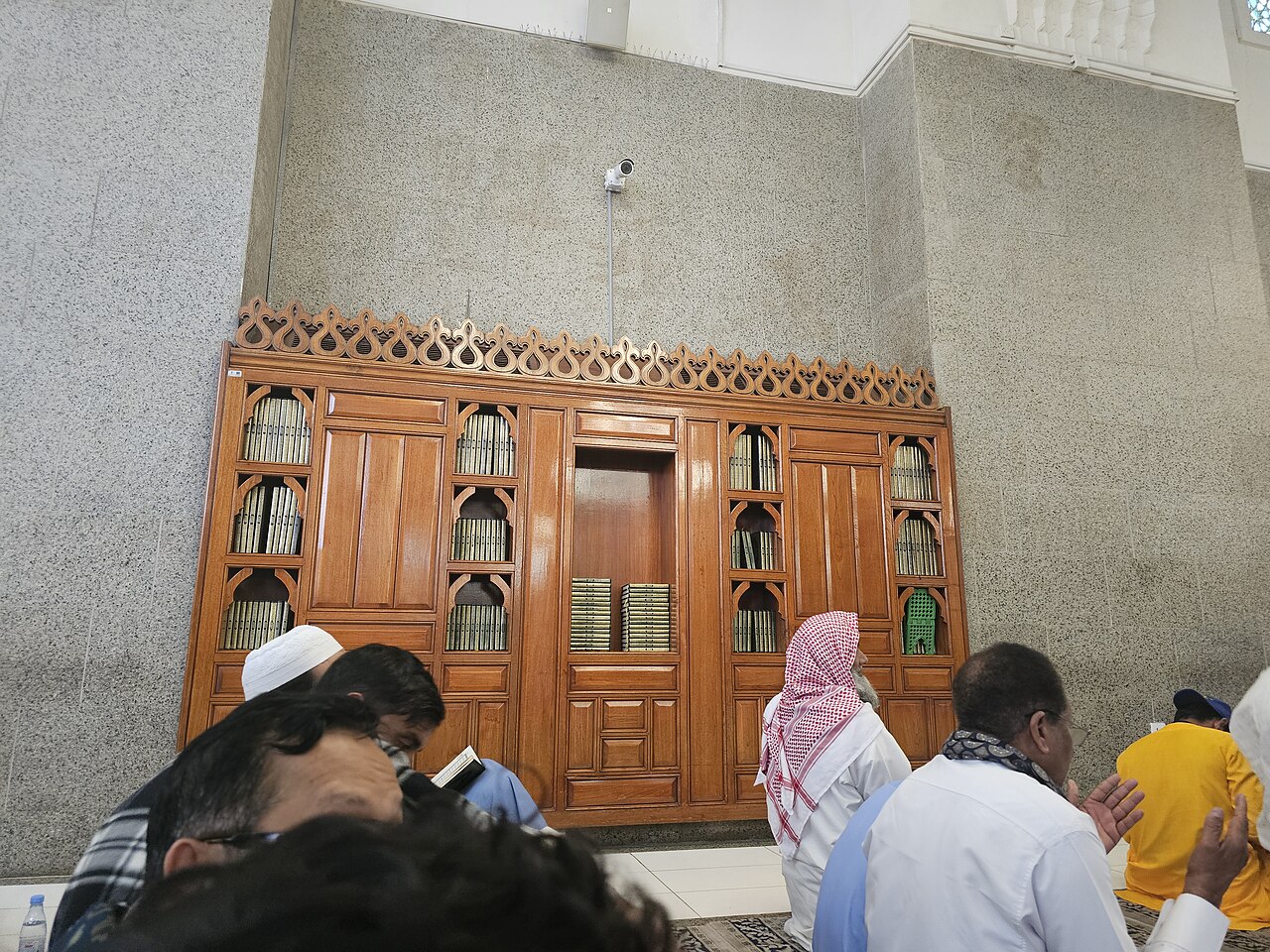
Touching a printed Quran (mushaf) without ablution is forbidden, but contemporary fatwa boards hold that a phone is not a mushaf, so reading from the screen without wudu is permissible.
 Islam
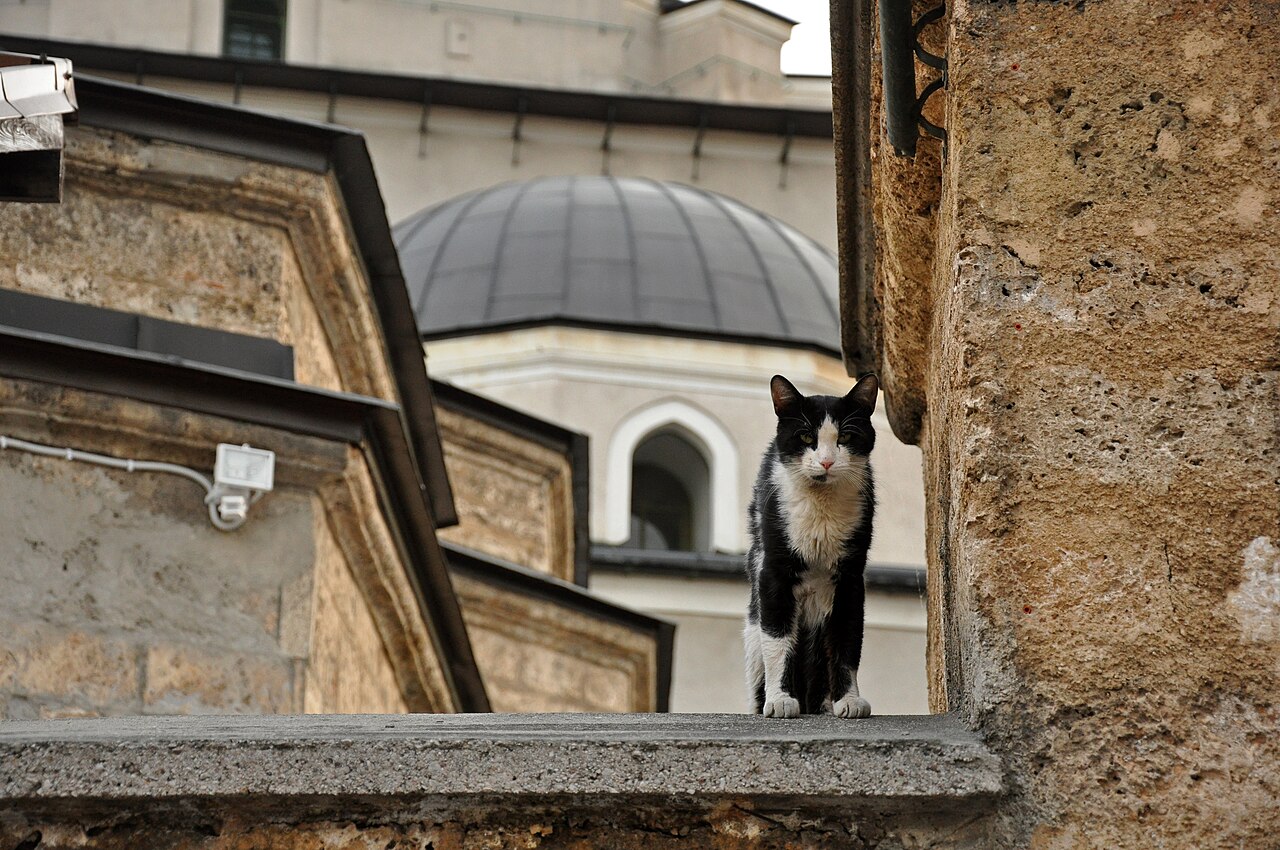
From the hadith of the woman punished for starving a tied-up cat to the ruling on water a cat has drunk from, Ahmad Abdur Rafi sets out what the Prophet's life teaches about mercy to animals.
 Islam
Performing wudu before going to bed is a practice the Prophet taught his Companions; writer Ahmad Sabbir explains its meaning in Prothom Alo, drawing on a hadith in Sahih Muslim.
IslamIn fiqh, abusive or indecent words after ablution do not break wudu and do not require renewing it; but abuse is itself a serious sin, calling for repentance and restraint.