
Maize cultivation has grown in Kaliganj upazila of Jhenaidah after farmers were given subsidies or incentives. Field after field, yellow maize cobs smile out from behind green leaves, and the crops sway in the breeze heralding spring. As the fields sway, the farmers' faces light up with the hope of their dreams coming true.
According to the upazila office of the Department of Agricultural Extension (DAE), the target this year was to grow maize on 1,500 hectares. Instead, 13,200 farmers have grown maize on 2,325 hectares, 825 hectares more than the target.
Seed, fertiliser and cash support
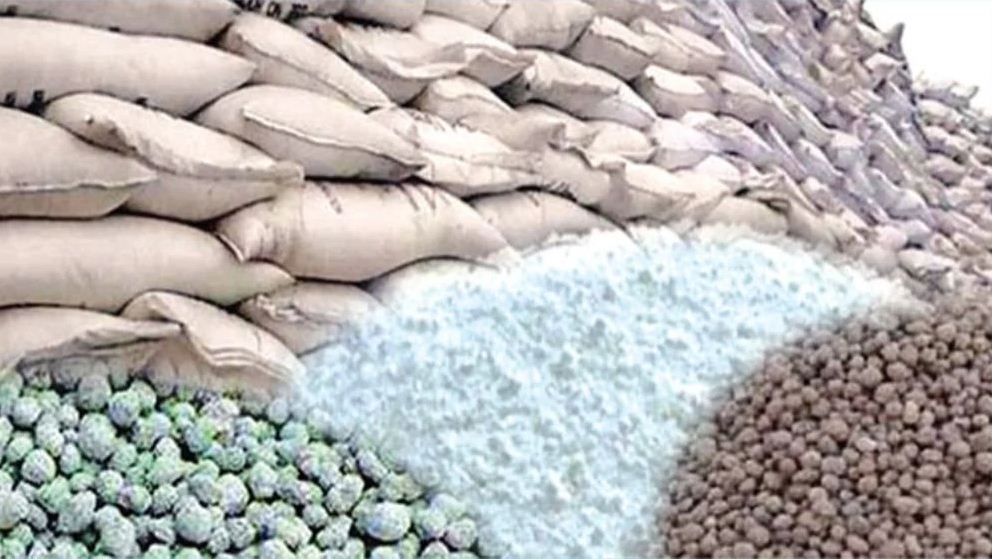
Biswajit Biswas, sub-assistant agriculture officer in the development branch of the upazila DAE, said the government had this year given incentives to 800 maize growers in Kaliganj and helped 64 farmers set up demonstration plots. Each of the 800 farmers received 2 kg of maize seed, 20 kg of DAP fertiliser and 10 kg of MoP (potash) free of charge. In addition, a total of 64 farmers, 60 from the revenue budget and 4 under the National Agricultural Technology Project (NATP), were given maize demonstration plots. Each of them received Tk 1,500 in cash along with fertiliser, pesticide and a signboard free of charge.
According to upazila agriculture office figures, maize was grown on 2,325 hectares in 2019-20, 1,450 hectares in 2018-19, 350 hectares in 2017-18, 110 hectares in 2016-17, 135 hectares in 2015-16 and 105 hectares in 2014-15.
According to the agriculture department, farmers in several villages of Kaliganj, including Baliadanga, Niamatpur, Trilochanpur, Hasanhati, Tilla and Ishwarba, have grown the most maize.
More profitable than rice
Jainal Abedin, a farmer from Ishwarba village, said maize is more profitable than rice. He has grown maize on three bighas of 33 decimals each. Last year he got an average of 45 maunds a bigha and sold 300 maunds of maize, and he hopes for a good crop this year too.
Tarikul Islam, a farmer from the same village, said he had grown maize on two bighas. Irrigation, fertiliser, seed, care and pesticide cost an estimated Tk 11,000 to 12,000 a bigha. A good crop yields 40 to 50 maunds a bigha. Last year fresh maize sold at Tk 450 a maund and dried maize at Tk 750 in the market. He expects to make a profit of half after costs.
Sub-assistant agriculture officer Motiar Rahman said that because profits exceed production costs, more maize has been grown in Kaliganj this year than in previous years. Maize is nutritious for people and is now also used in poultry feed, fish feed and various other foods. "We in the agriculture department are giving maize growers all-round support," he said.
Upazila agriculture officer Jahidul Karim said maize carries little risk and pays well. Farmers were given fertiliser, seed, pesticide and cash incentives to grow it, which is why their interest has grown. "Maize suffers from few diseases. Although attacks by a pest called 'armyworm' have been heard of in various districts, no pest attack has been reported in any maize field in this upazila. So we hope for a bumper maize crop in the upazila this year," he said.
Source: Dhaka Tribune. First published in Bengali on The Agro News.
Comments
(0)