
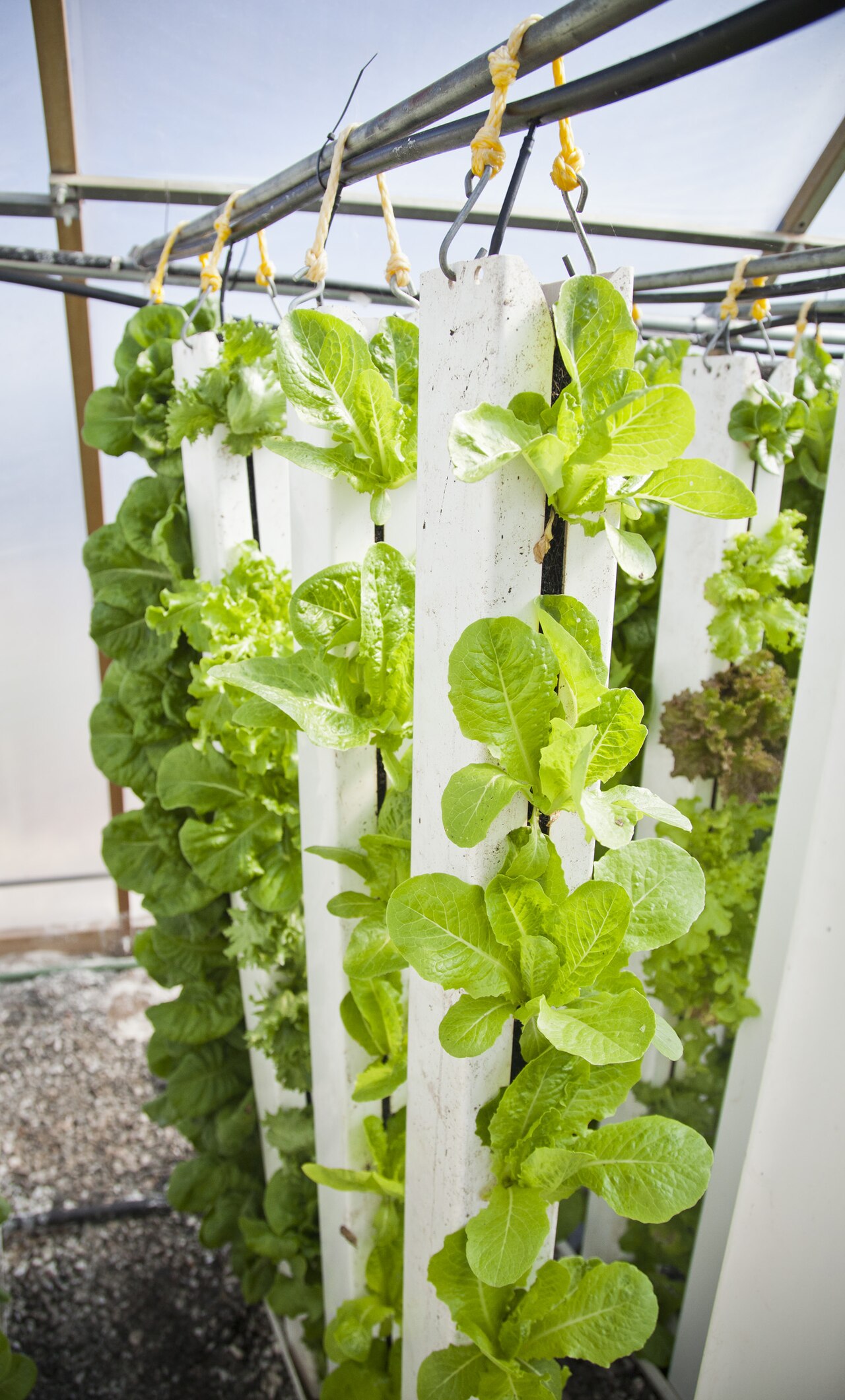
Japan, a leader in technology, is rewriting the idea of farming: growing food with less land and fewer farmers, and more machines and data.
The innovations
- Vertical farming: crops on the floors of buildings, under automated lighting and climate control, using 90 per cent less water.
- Robotics: robots that plant, harvest and store; labour cut and output raised; time and labour costs down by about half.
- AI and drones: crop health, weeds and soil surveyed from the air; harvests forecast by algorithm.
- Hydroponics and aquaponics: crops without soil, fed through water, grown fast and clean.
- Automated greenhouses: temperature, humidity and light set by machine; crops protected from disaster.
What it achieves
- The most from limited resources: more food from less space.
- Sustainable output that keeps the environment in balance.
- A response to the food demand of a growing population.
- Faster cycles: 30–40 per cent less time from planting to harvest.
- Lower cost, as machines replace scarce labour.
The message
Technology can meet the world's food challenge and cut farming's carbon; for developing countries it is a model of doing more with less.
For Bangladesh
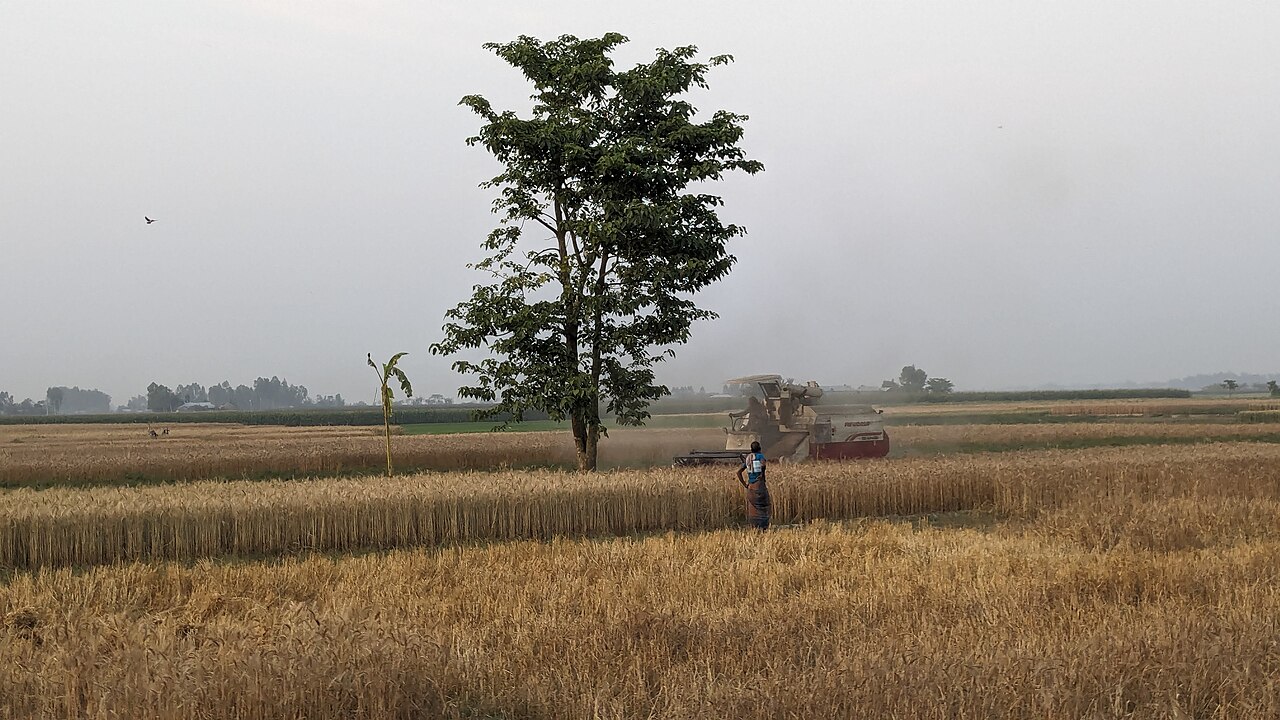
Land is scarce and getting scarcer. Vertical farms, hydroponics and controlled-environment growing could put fresh vegetables on the edge of every city. The lesson from Japan is not the machines; it is the willingness to farm differently.
Photo: Lettuce growing hydroponically in a vertical farm — Bright Agrotech / Wikimedia Commons (CC BY-SA 4.0)
Comments
(0)