
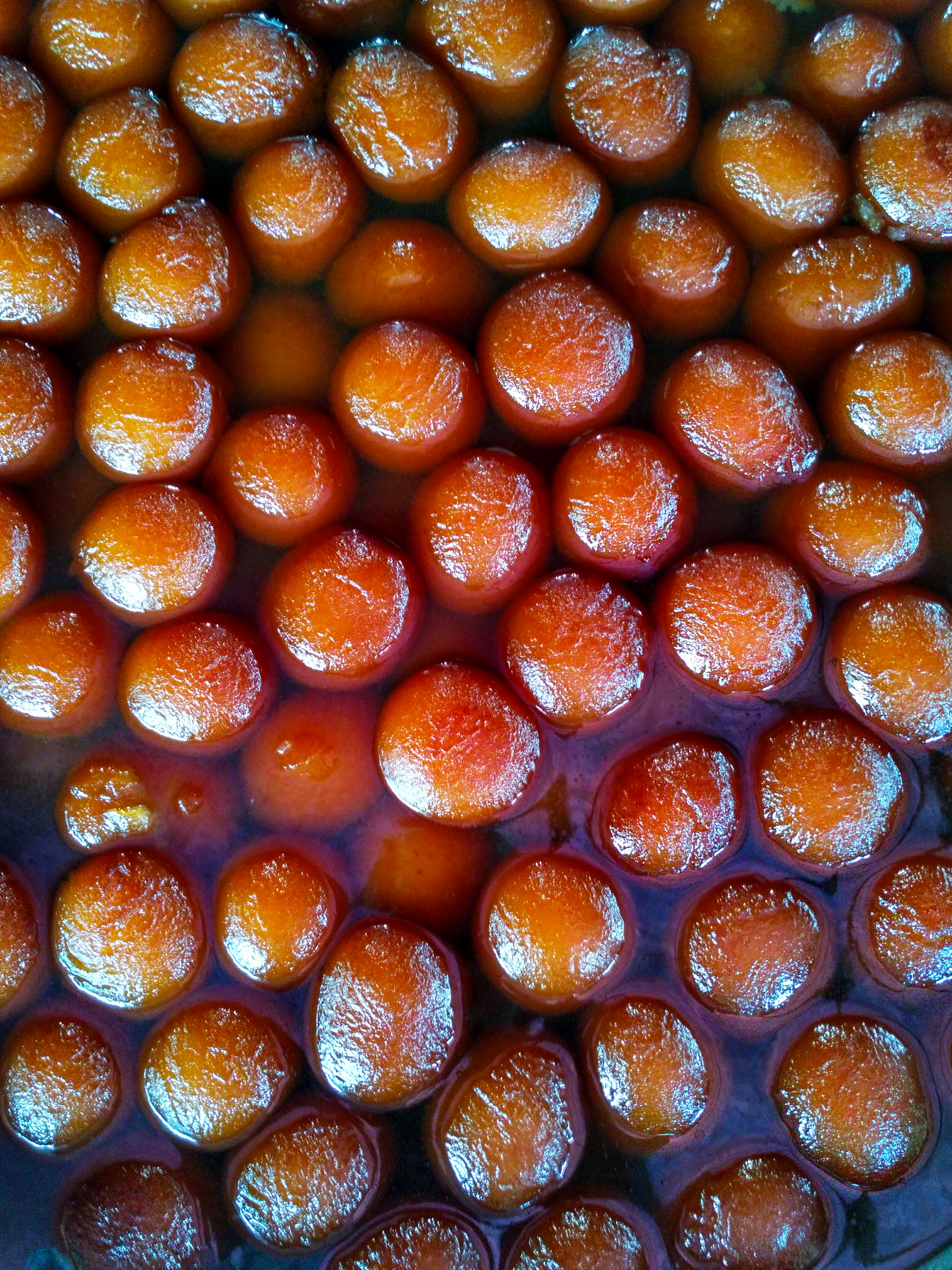
Jamun, the black plum known in Bangladesh as kalo jam, is a summer fruit that is on sale for only a few weeks a year. On 16 June 2025, in the middle of the season, the lifestyle desk of the Bengali news site Jagonews24 published a short guide to five things to be careful about when eating it. The advice came from nutritionists writing on Healthshots, an Indian health and wellness website, and it dealt with what people eat or drink with jamun or just after it: water, turmeric, an empty stomach, milk products and pickles.
This report sets out those five cautions as they were published, and then checks each one, and the health claims usually made for jamun, against what health authorities such as the United States National Institutes of Health (NIH) and peer-reviewed research said up to that date. It also explains what the jamun tree is, how much of the fruit Bangladesh grows and where, and what is in the fruit. None of this replaces a doctor's advice: anyone with a digestive illness, diabetes or another condition, or who takes regular medicine, should ask a doctor before changing what they eat.
The five cautions as published
According to the Jagonews24 report, the nutritionists said these were mistakes many people make when eating jamun, and that they could lead to problems ranging from gastric trouble and heartburn to more serious stomach upsets. Their five points were:
- Water straight after: drinking water with jamun or immediately after it can cause digestive problems, so they advised waiting at least 30 minutes before drinking water.
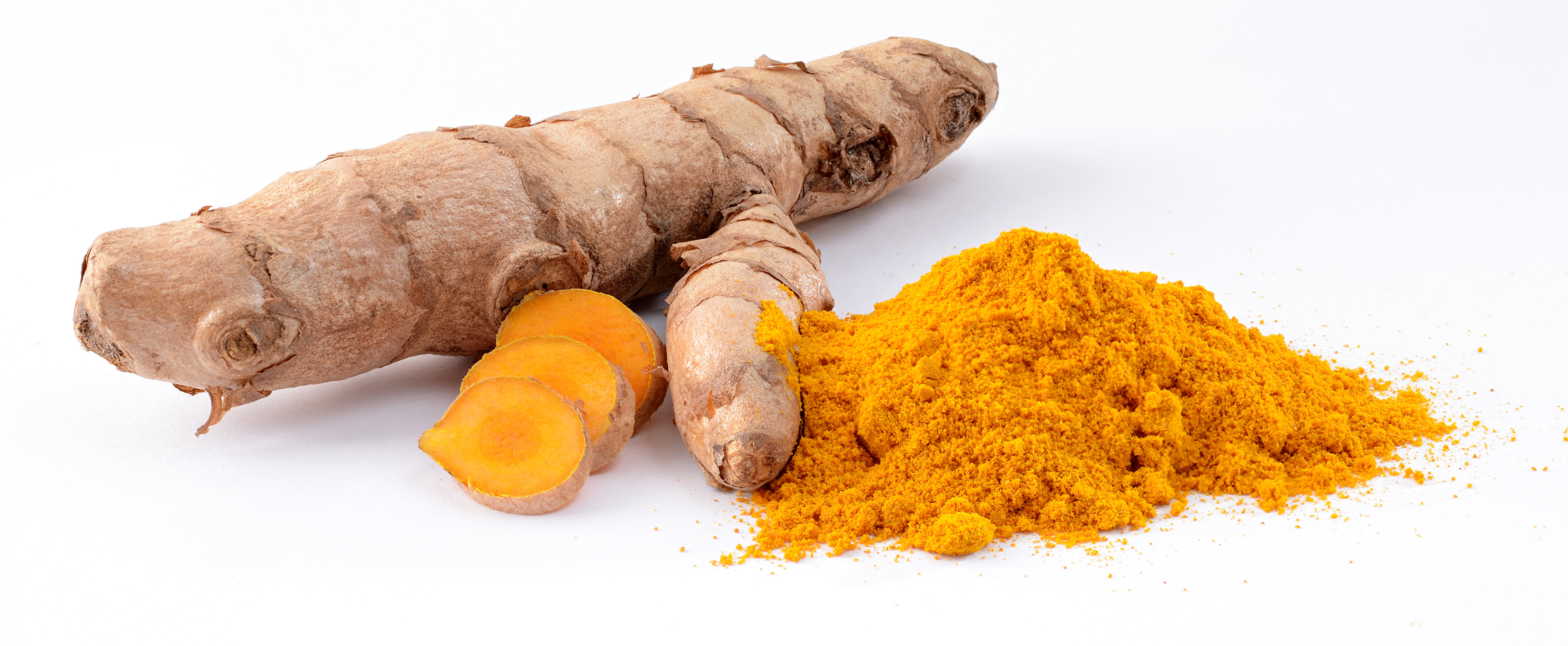
- Turmeric: they said the curcumin in turmeric and the acidity of jamun together can cause gas, indigestion or acidity, and that because both jamun and turmeric help thin the blood, people taking blood-thinning medicine face a higher risk of bleeding. They advised avoiding food with turmeric after eating jamun.
- An empty stomach: eating jamun on an empty stomach in the morning can cause gastric trouble, heartburn and indigestion, so they said it is better eaten after a meal.
- Milk, yoghurt and cheese: they said the tannins and acids in jamun can react with milk proteins and cause heaviness, gas or acidity; that the lactic acid in yoghurt with jamun's acidity can cause bloating or diarrhoea; and that jamun's tannins can in some cases hinder the absorption of calcium and iron from milk. They added that these effects are usually mild and vary from person to person, that people with a sensitive stomach or lactose intolerance should avoid the combination, that a gap of 30 to 60 minutes between jamun and milk is best, and that Ayurveda advises against the combination.
- Pickles: sour or spicy foods such as pickles eaten after jamun can, they said, lead to heartburn and indigestion.
These are the nutritionists' own recommendations, published as general lifestyle advice. The sections below look at what is known about the fruit and at which parts of the advice health authorities and published studies address.
What jamun is
Jamun is the fruit of Syzygium cumini, an evergreen tree of the myrtle family (Myrtaceae). In English it goes by many names, among them Java plum, black plum, jambolan and Indian blackberry. A 2012 review of the plant by M. Ayyanar and P. Subash-Babu in the Asian Pacific Journal of Tropical Biomedicine describes it as native to the Indian subcontinent and nearby parts of Asia, including India, Bangladesh, Myanmar, Nepal, Pakistan, Sri Lanka and Indonesia.
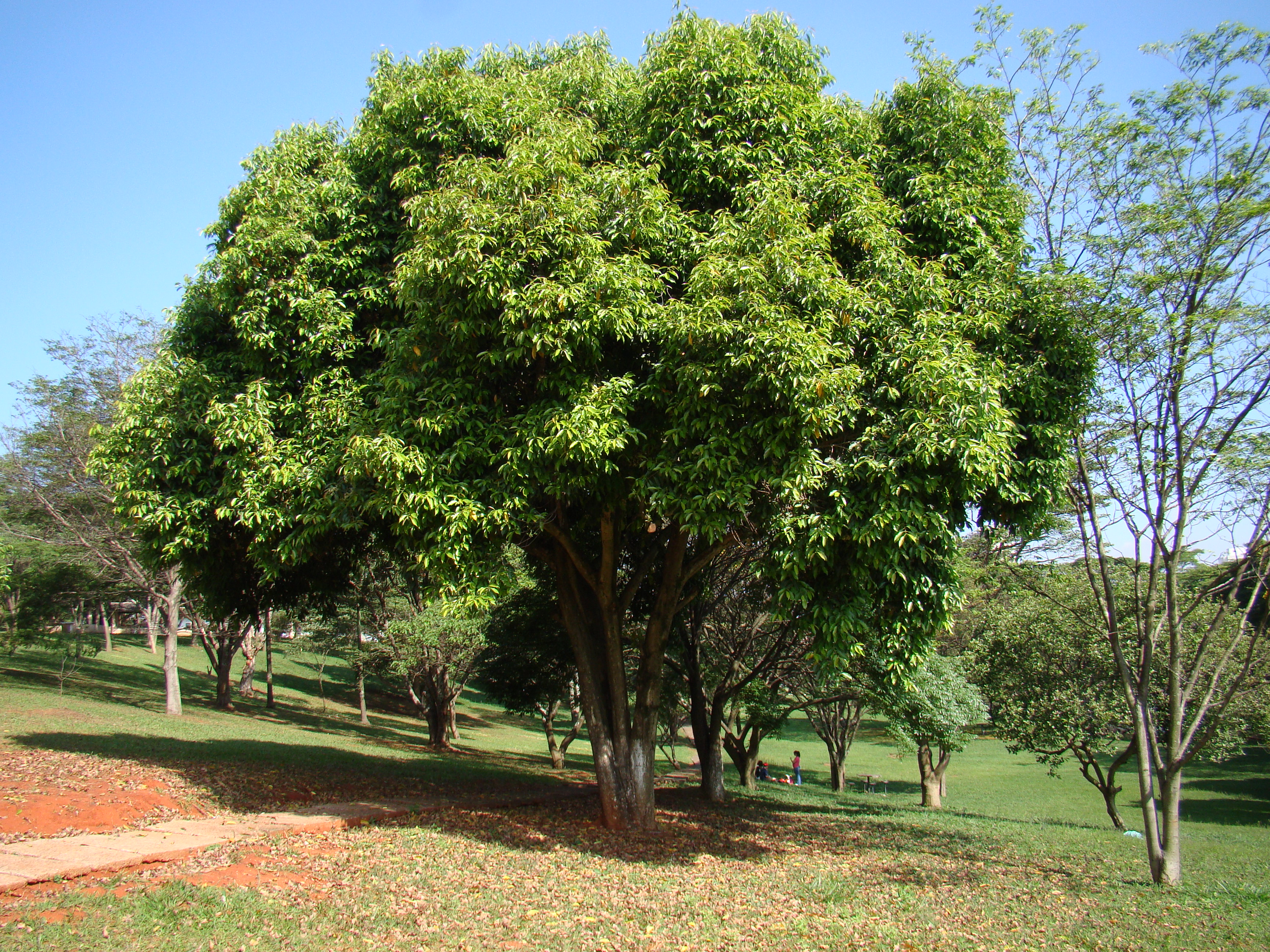
Julia F. Morton's 1987 reference work Fruits of Warm Climates (published online by Purdue University) describes a fast-growing tree that can reach 30 metres in India and usually forks into several trunks near the ground. Its leathery, glossy leaves are pinkish when young and smell faintly of turpentine. The fragrant flowers grow in clusters; the petals are white at first and turn rose-pink, and they fall quickly.
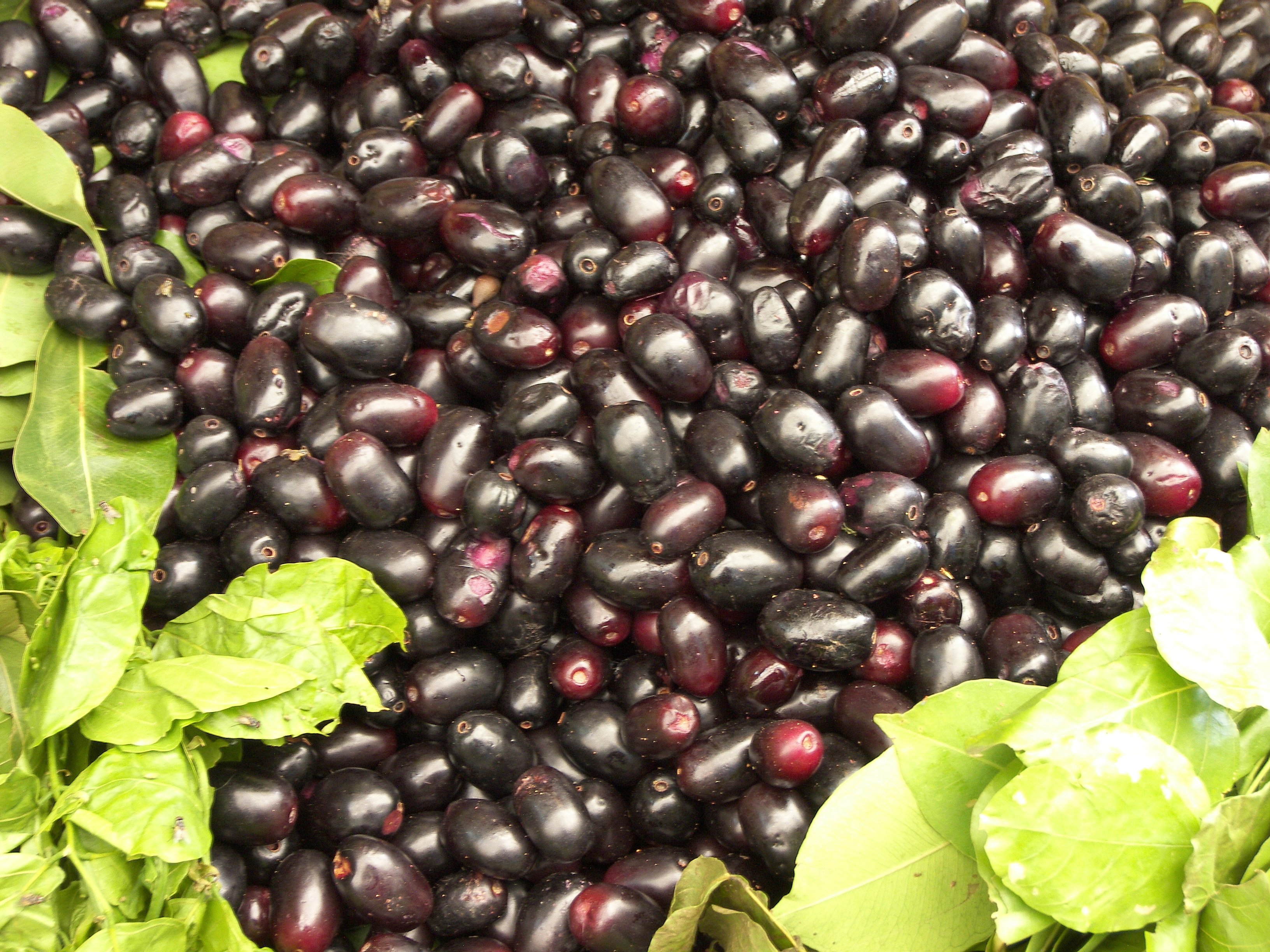
The fruit hangs in clusters of a few to 10 to 40. Each one is round or oblong, 1.25 to 5 centimetres long, and turns from green to light magenta and then to dark purple or nearly black as it ripens. The thin, glossy skin covers juicy purple or white pulp around a single seed up to 4 centimetres long, although some fruits have two to five seeds and some none. Morton notes that the fruit is usually astringent, sometimes unpleasantly so, and that its flavour ranges from acid to fairly sweet. In India, she writes, the main crop ripens from late May through June and July.
Banglapedia, the national encyclopedia of Bangladesh, lists the black plum among the country's very common and popular minor fruit trees. It describes it as a large tree whose ripe fruits are almost black, elongated and marble-sized, with a seed almost half the size of the fruit, harvested in July. Banglapedia also lists jam (Syzygium cumini) among Bangladesh's timber trees.
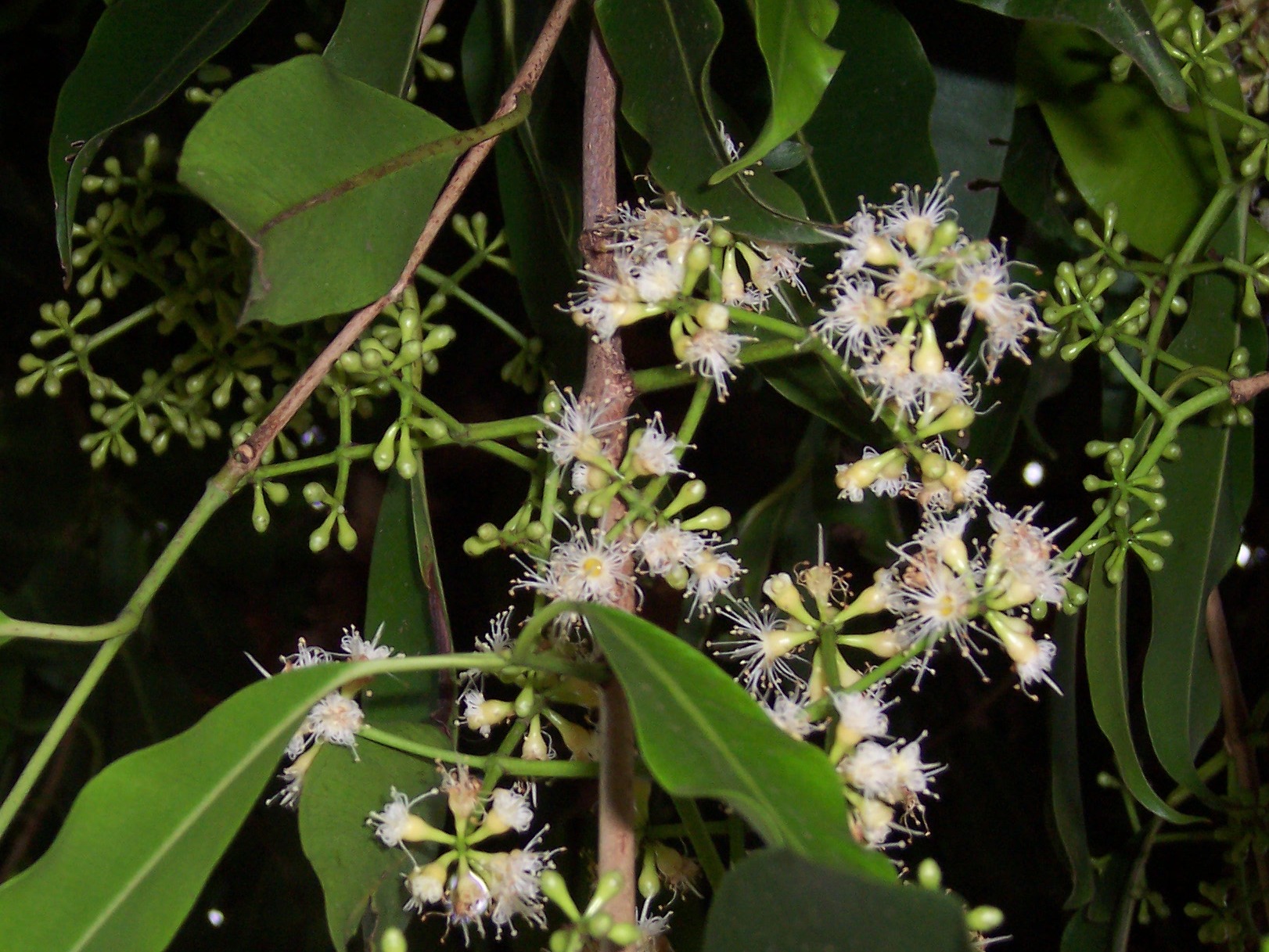
The tree is hardy. According to Morton, it grows from sea level to about 1,800 metres, though it does not fruit above about 600 metres; it does best with heavy rainfall, tolerates flooding and, once established, drought, and prefers dry weather while flowering and fruiting. Seeds lose viability quickly but are the usual means of propagation. Seedlings bear fruit in 8 to 10 years and grafted trees in 4 to 7. The flowers yield plenty of nectar for bees, the leaves have been used as fodder, the bark yields dyes and tannin, and the hard, durable heartwood has been used in India for beams, posts, boats and railway sleepers.
How much jamun Bangladesh grows
The Bangladesh Bureau of Statistics (BBS) records the crop as "black berry" in its Yearbook of Agricultural Statistics. The 2023 edition, published in 2024 and covering the years 2020-21 to 2022-23, gives these national figures:
- 2020-21: 13,751.01 acres under jamun gardens and 56,928.21 metric tons of fruit.
- 2021-22: 13,357.29 acres and 54,135.88 metric tons.
- 2022-23: 12,626.15 acres and 53,343.93 metric tons.
Most of the crop does not come from orchards. Of the 53,343.93 tons recorded for 2022-23, the yearbook counts 52,485.50 tons as production outside gardens and 858.43 tons inside them: jamun in Bangladesh is largely the fruit of trees standing in homesteads, along roads and in other places outside planted gardens. For scale, the same yearbook puts mango production in 2022-23 at 1,482,937.04 tons and the output of all fruits listed at 5,658,854 tons.
The district table for 2022-23 shows Kushtia far ahead, with 7,332 tons. It is followed by Mymensingh (3,740 tons), Sunamganj (3,149 tons), Rajbari (2,950.75 tons), Habiganj (2,100 tons) and Jamalpur (2,006 tons). By division, Khulna recorded 12,300.57 tons, Dhaka 8,640.31 tons, Mymensingh 8,545 tons and Chattogram 7,047.57 tons.
What is in the fruit
The United States Department of Agriculture's FoodData Central database (entry "Java-plum, (jambolan), raw", SR Legacy) gives these values for 100 grams of the raw fruit:
- Energy: 60 kilocalories; water: 83.1 grams.
- Carbohydrate: 15.6 grams; protein: 0.72 grams; fat: 0.23 grams.
- Vitamin C: 14.3 milligrams.
- Calcium: 19 milligrams; potassium: 79 milligrams; phosphorus: 17 milligrams; magnesium: 15 milligrams; sodium: 14 milligrams; iron: 0.19 milligrams.
These figures matter for one claim in the original report, that the iron, calcium, magnesium and potassium in jamun strengthen bones and teeth. The fruit does contain those minerals, but in small amounts, as the USDA values show; no health authority source was found that credits jamun with strengthening bones or teeth, and that claim has been left out here. Morton's table of analyses from Asia and tropical America gives between 5.7 and 18 milligrams of vitamin C per 100 grams.
The deep purple colour comes from anthocyanins. The 2012 review by Ayyanar and Subash-Babu lists glycosides of delphinidin, petunidin and malvidin in the fruit, together with gallic acid, citric and malic acids and the sugars glucose, fructose and raffinose. Morton notes that the fruit also contains tannin and a trace of oxalic acid; the tannin is what gives jamun its dry, puckering taste.
Jamun and blood sugar: what studies found
The original report said jamun helps prevent cancer, purifies the blood, fights infections and boosts immunity. Those claims are not supported by health authority guidance for the fruit as food and have been removed. The claim most often made for jamun, though, concerns diabetes, and it has been studied.
The fruit, bark, leaves and seeds are used in traditional medicine across South Asia. The Ayyanar and Subash-Babu review records their use for diabetes, dysentery and diarrhoea in Ayurveda, and as a liver tonic and for gum and tooth health in Unani medicine. But it also notes that most of the diabetes work has been done in animals, often with crude preparations whose chemical make-up was not characterised, that the mechanism is not fully understood, and that further clinical research is needed. Morton, writing in 1987, recorded both reports that seed extracts lowered blood sugar and reports disputing it; in one study she cites, an extract lowered blood sugar in dogs when injected but not when given by mouth.
Controlled trials in people have been discouraging. A team at the Hospital de Clínicas de Porto Alegre in Brazil reported in the Journal of Ethnopharmacology in 2000 that tea made from jamun leaves had no effect on blood sugar in 30 young non-diabetic volunteers given a glucose tolerance test, nor in normal or diabetic rats, and concluded that jambolan could not, for the time being, be recommended as a treatment to lower blood sugar. The same group's randomised, double-blind trial, published in the Journal of Clinical Pharmacy and Therapeutics in 2006, followed 27 patients with type 2 diabetes for 28 days: fasting blood sugar fell with the diabetes drug glyburide but did not change with jamun-leaf tea or placebo.
For a reader with diabetes, two points follow from these sources. Jamun is a fruit with natural sugars, about 15.6 grams of carbohydrate per 100 grams by the USDA figures, and it is not a substitute for prescribed treatment. People with diabetes should keep to the medicine and diet their doctor has set, and ask the doctor how fruit, including jamun, fits into it.
Checking the five cautions
No health authority guidance was found on two of the five points: waiting 30 minutes before drinking water after jamun, and not eating jamun on an empty stomach. They remain the nutritionists' advice. The other three touch on subjects health authorities do write about.
Turmeric. The National Center for Complementary and Integrative Health (NCCIH), part of the NIH, describes turmeric as a plant of the ginger family whose underground stem is used in cooking, with its yellow colour coming from curcumin. Its fact sheet, last updated in April 2025, lists nausea, vomiting, acid reflux and stomach upset among possible side effects of turmeric taken by mouth, says liver damage has been reported in some people who took highly absorbable turmeric products, and says turmeric supplements may be unsafe in pregnancy. It advises anyone taking medicine to talk to a health care provider before using any herbal product. No authority source was found saying that jamun thins the blood; anyone on blood-thinning medicine who is unsure about jamun or turmeric should ask their doctor.
Milk and lactose intolerance. The National Institute of Diabetes and Digestive and Kidney Diseases (NIDDK), another NIH institute, explains that lactose intolerance is caused by problems digesting lactose, the natural sugar in milk, because the small intestine makes too little of the enzyme lactase. Its symptoms include bloating, diarrhoea, gas, nausea, abdominal pain, a rumbling stomach and vomiting, and they can start within a few hours of having milk or milk products. For people with lactose intolerance, in other words, milk products can cause these symptoms whether or not jamun is eaten with them.
Tannins and iron. Plant polyphenols, the group that includes tannins, are among the dietary factors known to affect iron absorption. A 2010 review by R. Hurrell and I. Egli of the Swiss Federal Institute of Technology in Zurich, in the American Journal of Clinical Nutrition, names phytate, polyphenols and calcium as inhibitors and ascorbic acid (vitamin C) as an enhancer, adding that in studies of whole, varied diets the effect of any single component is more modest and that a person's iron status matters more than the make-up of the diet. Morton separately cautions that excessive intake of tannin-rich plant products can be harmful.
Heartburn and spicy foods. NIDDK's guidance on acid reflux (gastroesophageal reflux disease, GERD), last reviewed in July 2020, says some people with GERD find that certain foods trigger or worsen their symptoms, among them acidic foods such as citrus fruits and tomatoes, spicy foods, high-fat foods, chocolate, mint, coffee and alcohol. It suggests that people with symptoms at night eat at least three hours before lying down. This supports caution with spicy, sour foods for people prone to heartburn; it says nothing about jamun specifically.
Eating jamun
Morton records that good-quality jamun with a sweet or mildly acid flavour is eaten raw or made into tarts, sauces and jam, and that its astringency can be reduced by soaking the fruit in salt water, or by pricking it, rubbing it with salt and leaving it for an hour. The juice resembles grape juice and is made into sherbet, syrup and squash; white-fleshed fruit has enough pectin for a stiff jelly, while purple-fleshed fruit needs added pectin. Jamun vinegar is widely made in India, and the fruit has been made into wine in Goa and the Philippines.
Because jamun is mostly eaten raw, the basics of food hygiene apply. The World Health Organization's Five Keys to Safer Food, published in 2006, are to keep clean, separate raw and cooked food, cook thoroughly, keep food at safe temperatures, and use safe water and raw materials.
Fruit in a Bangladeshi diet
Bangladesh's national food-based dietary guidelines were first published in 2000 under the Bangladesh National Nutrition Council and revised in 2013 by the Bangladesh Institute of Research and Rehabilitation in Diabetes, Endocrine and Metabolic Disorders (BIRDEM), with technical support from the Food and Agriculture Organization (FAO) and the ministries of food and of health. As FAO summarises them, their food guide places vegetables and fruits on the second level, foods to be eaten liberally. Seasonal fruits such as jamun are one way to do that during the summer months; for anyone with a health condition, the right amount and timing are for a doctor or registered nutritionist to advise.
Photo: Salim_Khandoker / Wikimedia Commons (CC BY-SA 4.0)
Sources: Jagonews24, Healthshots (as reported by Jagonews24), Bangladesh Bureau of Statistics (Yearbook of Agricultural Statistics 2023), USDA FoodData Central, Julia F. Morton, Fruits of Warm Climates (Purdue University), Banglapedia, Asian Pacific Journal of Tropical Biomedicine (Ayyanar and Subash-Babu, 2012), Journal of Ethnopharmacology (Teixeira et al., 2000), Journal of Clinical Pharmacy and Therapeutics (Teixeira et al., 2006), National Center for Complementary and Integrative Health (NCCIH), National Institute of Diabetes and Digestive and Kidney Diseases (NIDDK), American Journal of Clinical Nutrition (Hurrell and Egli, 2010), World Health Organization, Food and Agriculture Organization (FAO)
Comments
(0)