
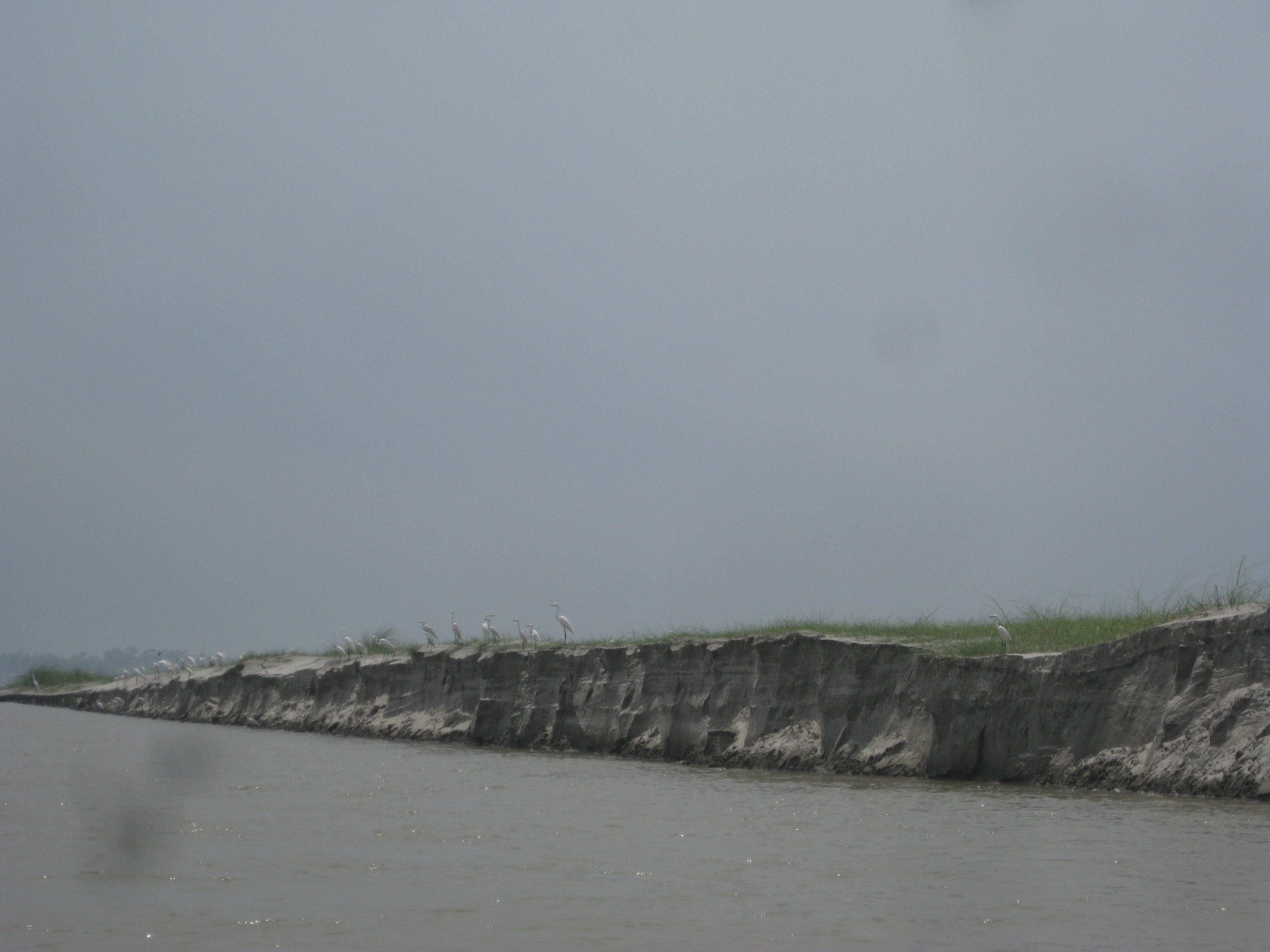
Hill runoff from upstream and several days of rain flooded low-lying areas of Islampur upazila in Jamalpur on 30 June 2026. In this upazila on the Jamuna, standing crops, homes and village roads went under water and thousands of people faced hardship, Jagonews24 and Independent Television reported that day.
Where the water rose and which crops were hit
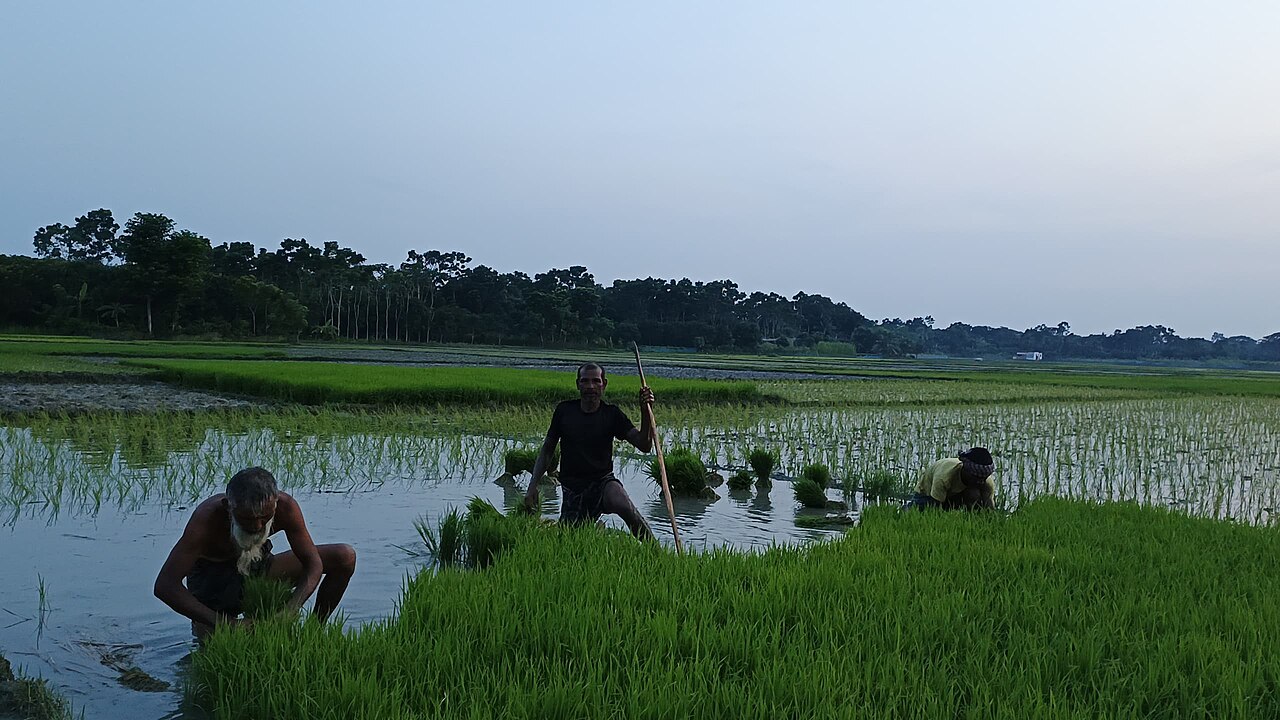
According to the reports, water rose quickly in low-lying parts of Sapdhari, Chinaduli and Noarpara unions after days of rain and runoff from upstream. Aman rice seedbeds, vegetables, jute and other seasonal crops were submerged.
Islampur upazila agriculture officer Faisal Ahmed said jute, seedbeds and vegetables on 25 hectares in four unions along the Jamuna had gone under water.
Abdul Hakim Pramanik, a farmer in Projapoti village of Sapdhari union, said the jute on his three bighas was submerged and would be ruined if the water stayed for long. Rafiq Mondal of the same village said part of his 40 decimals of vegetables was under water and the rest would go under if the water kept rising. Affected farmers said they had borrowed money to grow this season's crops in the hope of a good harvest.
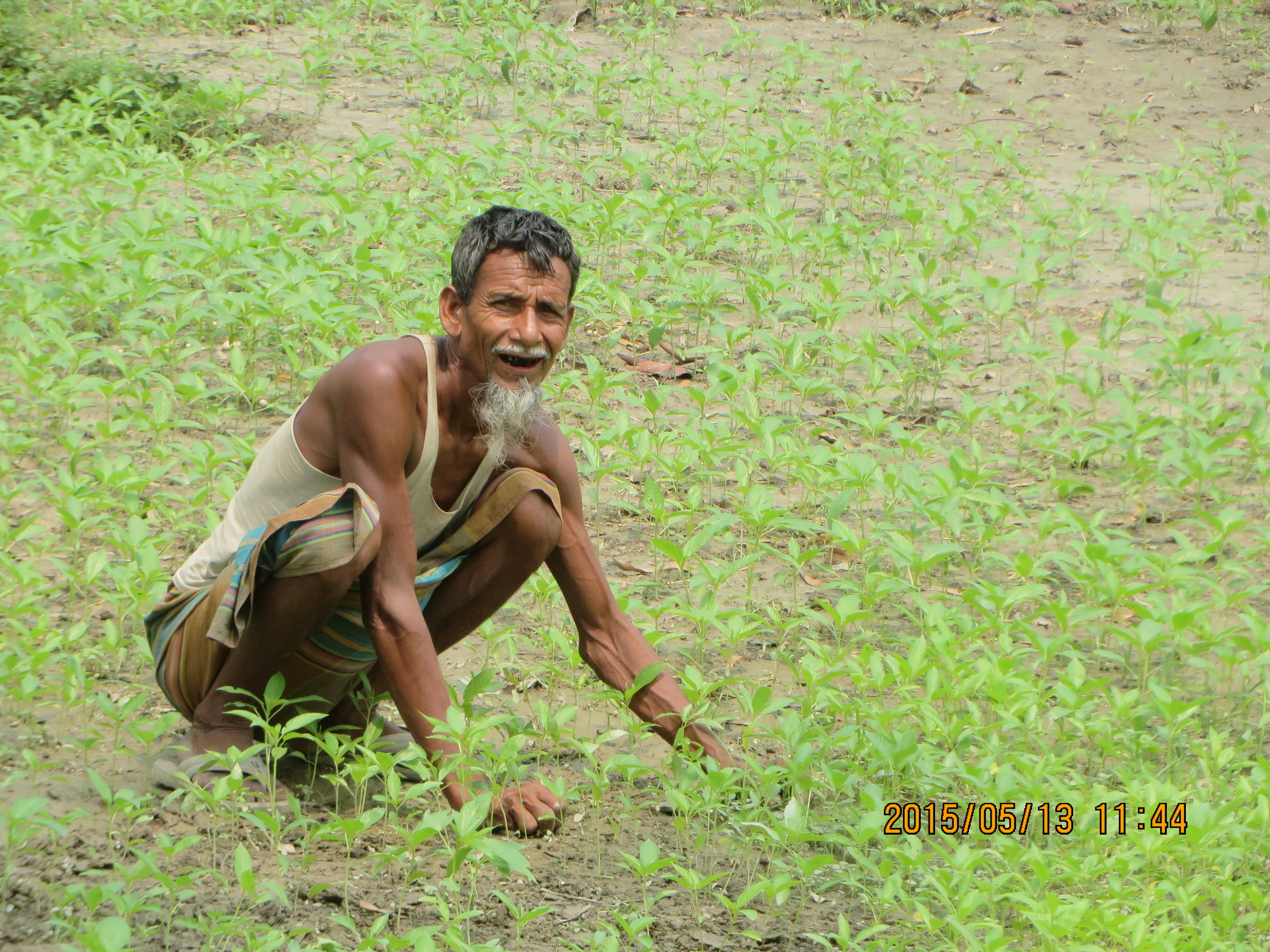
Several village roads were also flooded, disrupting traffic, and attendance fell at a number of educational institutions.
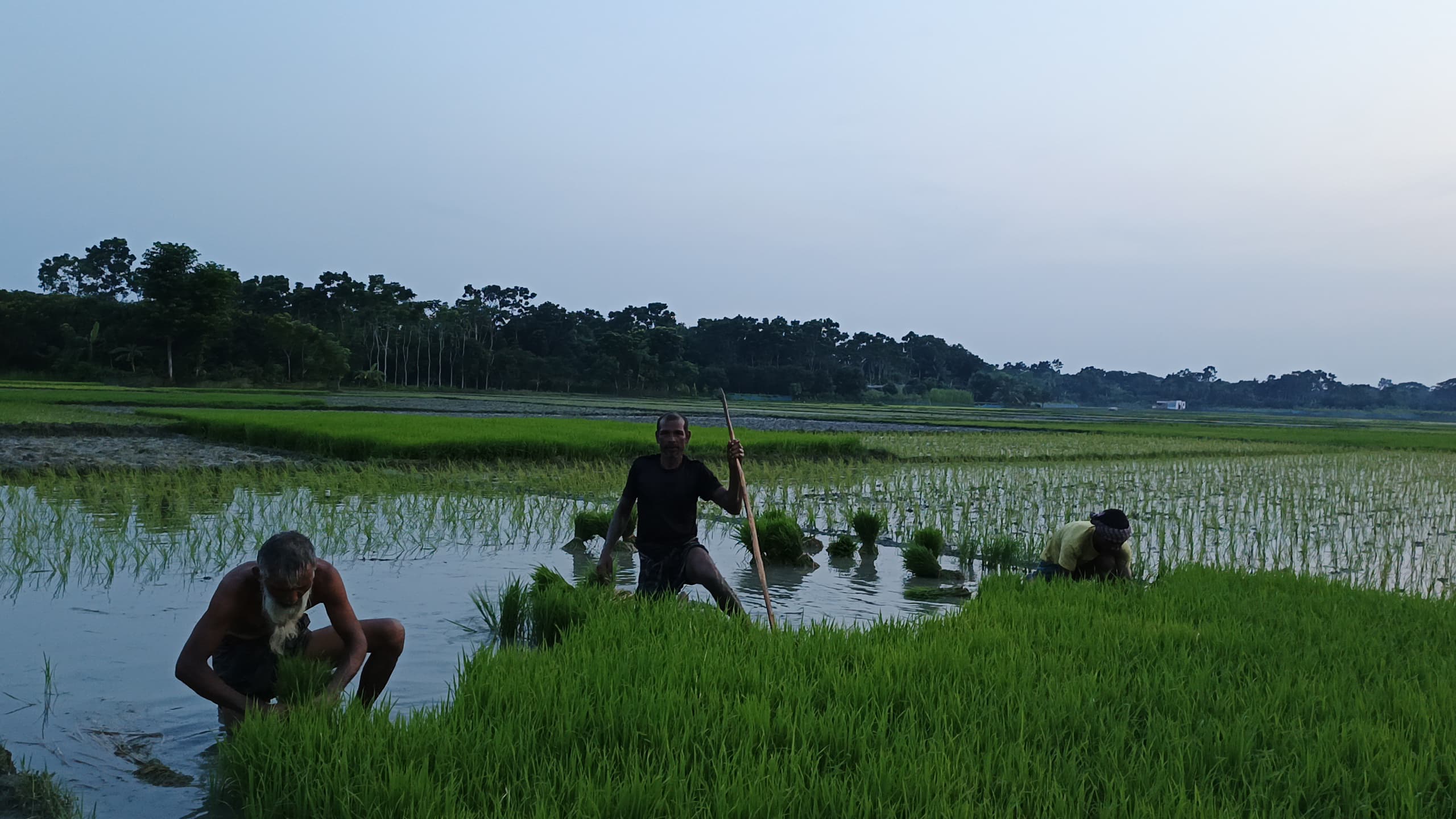
Losing seedbeds matters for the Aman season, because seedlings are raised in a seedbed and later transplanted into the field. Banglapedia describes transplanted Aman as the most important of Bangladesh's rice crops: it occupied about 46 percent of the country's rice land in 2009-10 and is grown throughout the country.
The Jamuna at Bahadurabad Ghat
Abdul Mannan, water gauge reader at the Jamalpur Water Development Board, said that day that the Jamuna at the Bahadurabad Ghat point was flowing 78 cm below the danger mark, after rising 27 cm in the previous 24 hours.
Md Nakibuzzaman Khan, executive engineer of the Jamalpur Water Development Board, said: "The water may rise for another two to three days, and the Jamuna may cross the danger mark. But there is a chance it will recede again within a very short time."
Bahadurabad lies in Dewanganj upazila of Jamalpur. According to Banglapedia, the Brahmaputra continues southeast from there as the Old Brahmaputra, while the river between Bahadurabad and Aricha is the Jamuna; the river's levels and flow are gauged at Bahadurabad. Banglapedia adds that floods between May and July are usually caused by the Brahmaputra-Jamuna and the Meghna, that August is the month when widespread flooding is most likely, and that many of the Jamuna's chars (river islands) go under water in the rainy season.
Islampur, an upazila on the Jamuna
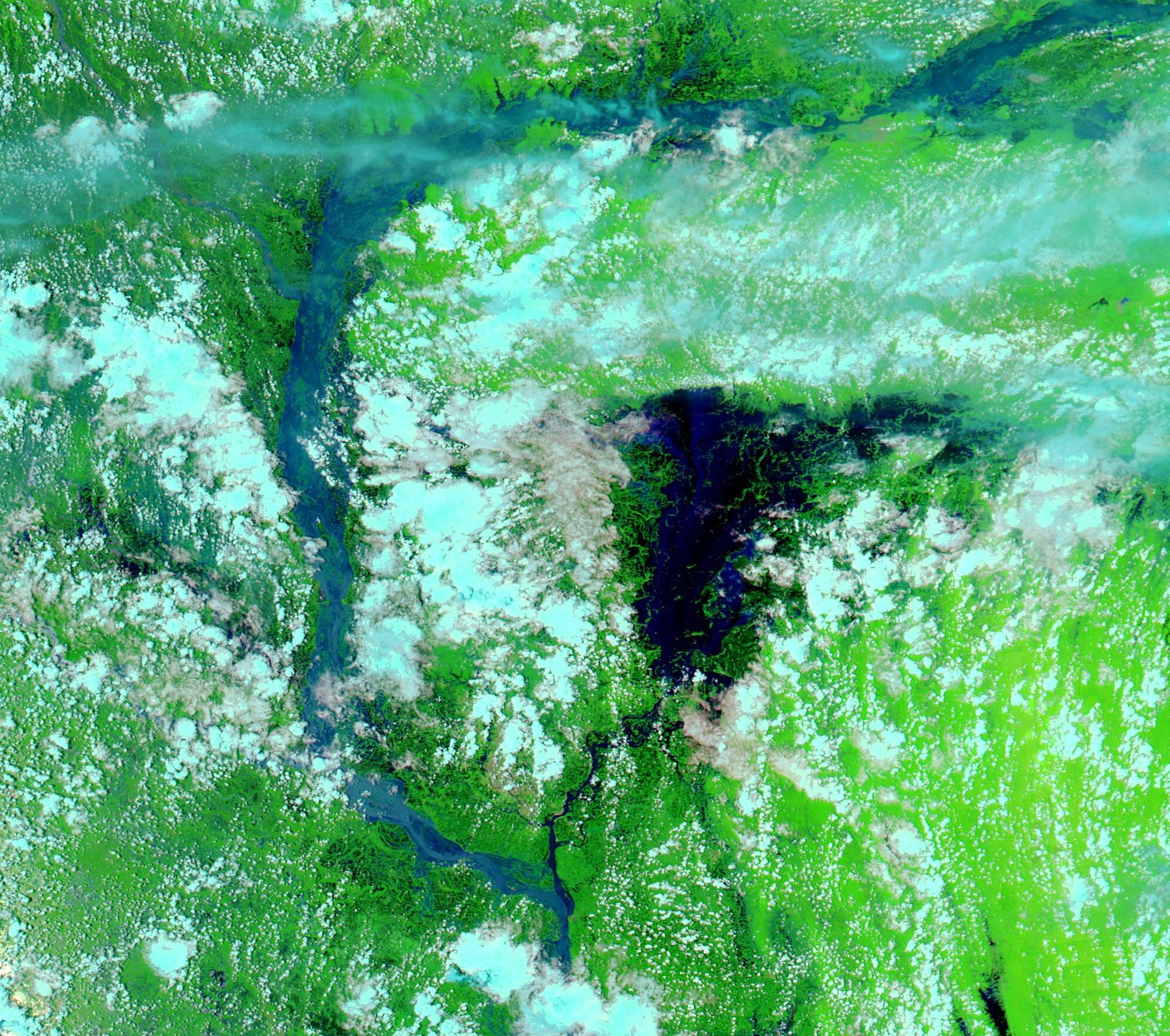
Banglapedia gives Islampur upazila an area of 353.31 square kilometres. Its main rivers are the Jamuna, the Old Brahmaputra and the Bangali. It has one municipality and 12 unions, among them Sapdhari, Chinaduli and Noarpara. The 2011 census counted 298,429 people in the upazila.
The Brahmaputra-Jamuna is the second largest river in Bangladesh. Within the country it runs 276 km, of which 205 km is the Jamuna. It averages about 10 km in width and in the rainy season is nowhere less than five kilometres broad, Banglapedia says.
Photo: Afifa Afrin / Wikimedia Commons (CC BY-SA 3.0)
Sources: Jagonews24, Independent Television, Banglapedia

Comments
(0)