
Water and natural resources are the basis of human life, for drinking, farming, cleanliness and livelihoods. Islam allows people to enjoy these blessings but also directs them to use and protect them properly and to avoid waste and harm.
In verse 30 of Surah Al-Anbiya, Allah declares that He made every living thing from water; people, farming and all animal life depend on it. Verse 31 of Surah Al-A'raf says: eat and drink, but do not waste; indeed He does not love the wasteful.
Even in acts of worship such as ablution, wasting water is forbidden. Sunan Ibn Majah reports that when Sa'd (may Allah be pleased with him) was using too much water for ablution, the Prophet (peace be upon him) told him not to waste water even if he were on the bank of a flowing river. Leaving taps running for no reason or polluting ponds and canals goes against this teaching.
The earth's resources were created for human needs, but people are their custodians, not their owners. Verse 60 of Surah Al-Baqarah forbids spreading corruption and transgressing on earth. Misuse of soil, rivers, forests and farmland can bring disaster on the present generation and those to come.
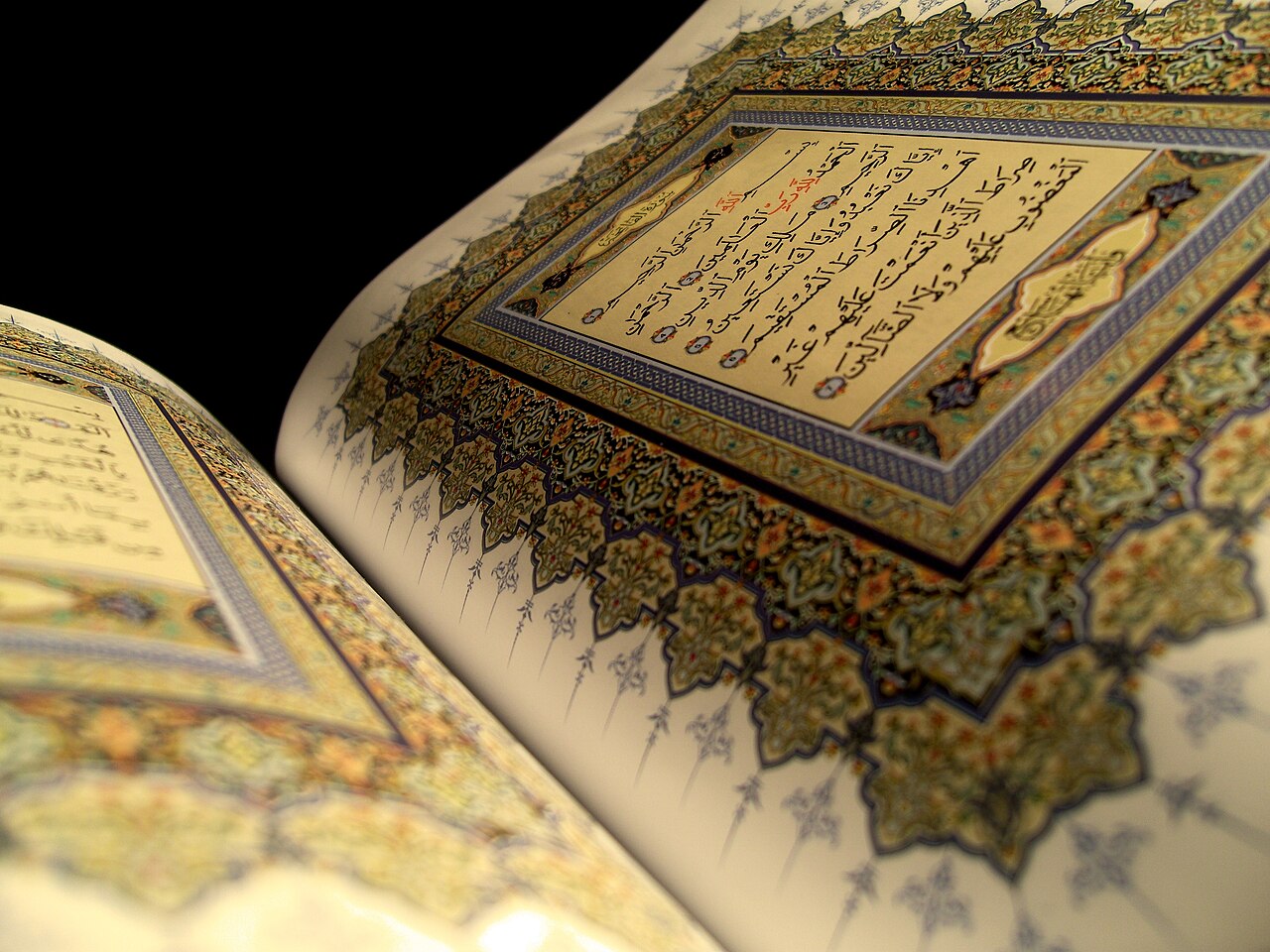
Photo: Habib M'henni / Wikimedia Commons (public domain)
Source: Dinajpur TV
Comments
(0)