
The pace of modern life, the race to earn and an uncertain future leave many people under constant stress and in low spirits. Writing in Desh Rupantor, a student of the Arabic department at Dhaka University sets out what a Muslim can do, drawing on the Quran and Sunnah, which the writer says are the first place to turn.
The first teaching is dhikr, the remembrance of Allah. The writer cites verse 28 of Surah Ar-Ra'd: 'Verily, in the remembrance of Allah do hearts find rest.' Dhikr, in the writer's words, brings peace to the heart and eases strain.
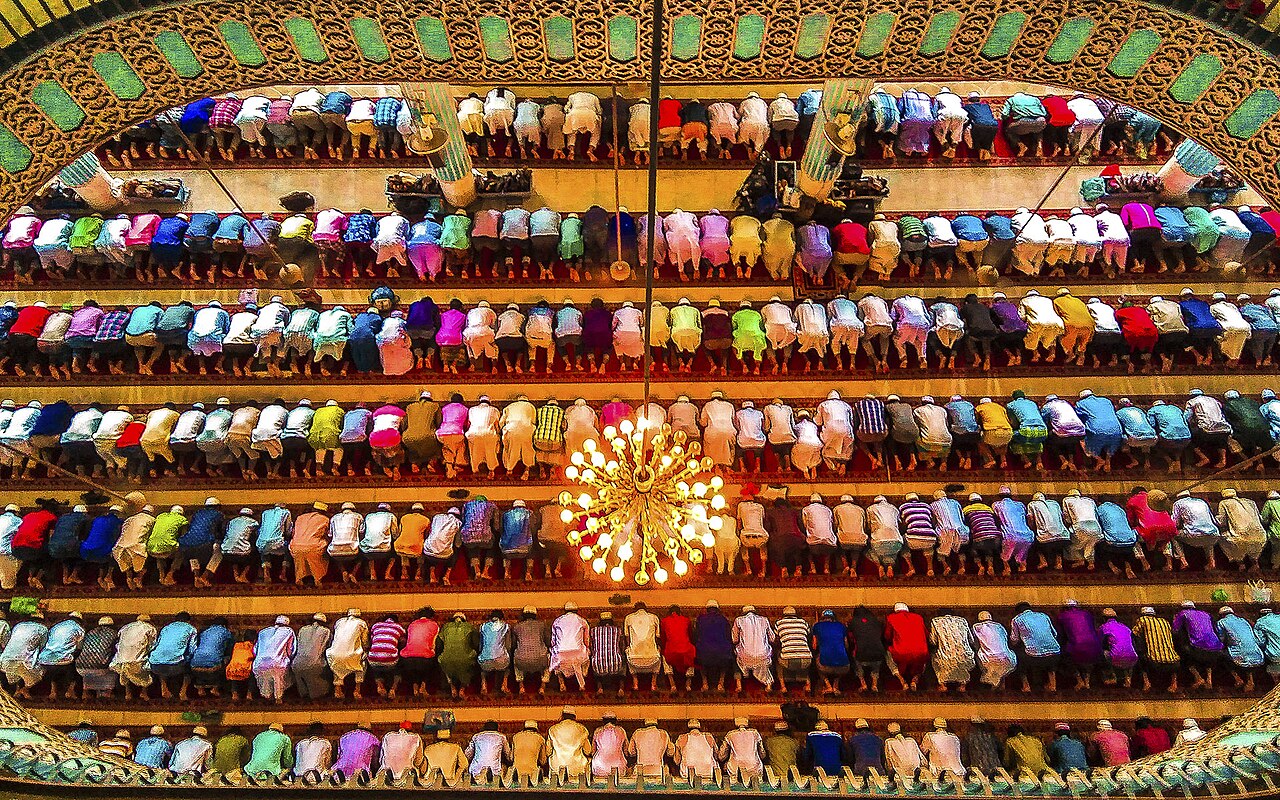
The second is salah. Stress isolates people, and prayer lightens the mind, the writer says, recalling verse 153 of Surah Al-Baqarah: 'O you who believe, seek help through patience and prayer. Indeed, Allah is with the patient.' Tahajjud in the last third of the night is described as one of the main sources of spiritual strength and calm.
The third is istighfar, seeking forgiveness. According to Sahih Bukhari, the Prophet (peace be upon him) sought forgiveness more than seventy times a day. A hadith in Sunan Abu Dawud says that whoever seeks forgiveness regularly, Allah will grant a way out of every difficulty, relief from every worry and provision from where they least expect.
The fourth is the masnun dua. The writer gives the meaning of a supplication the Prophet often recited, recorded in Sahih Bukhari: O Allah, I seek refuge in You from worry and grief, from helplessness and laziness, from miserliness and cowardice, and from the burden of debt and being overpowered by others.
The piece was published in Desh Rupantor; the views are the writer's own.
Photo: Ehsanul Siddiq Aranya / Wikimedia Commons (CC BY-SA 4.0)
Source: Desh Rupantor

Comments
(0)