
In Islam death is not the end of a person's life but a step from this world into the hereafter. A piece on Dhaka Times' religion page sets out, from the Quran and authentic hadith, what Islam teaches about the certainty of death, its appointed time and the life that follows.
Verse 185 of Surah Al Imran says every soul shall taste death, and verse 145 says no one dies except by Allah's leave, at a time appointed. Verse 78 of Surah An-Nisa says death will overtake people wherever they are. Verse 11 of Surah As-Sajdah speaks of the angel of death, and verse 19 of Surah Qaf of the agony of death.
According to Islamic belief, people do not pass straight to the final judgment but remain until the Day of Resurrection in an intermediate state called barzakh (Surah Al-Mu'minun, 23:99-100). In a hadith in Sahih al-Bukhari (6514), the Prophet (peace be upon him) said three things follow the dead: family, wealth and deeds; family and wealth return, and deeds remain.
New deeds end with death, but the reward of some continues. A hadith in Sahih Muslim (1631) says that when a person dies their deeds end except three: continuing charity (sadaqah jariyah), knowledge that benefits people, and a righteous child who prays for them.
Citing verse 10 of Surah Al-Munafiqun, the article notes that people facing death will ask for a little more time to give charity and do good. It sets out life's stages as birth, worldly life, death, barzakh, the Day of Resurrection, raising up, reckoning, and paradise or hell, and says remembering death, whose hour no one knows, can turn people away from sin, greed and unlawful earning.
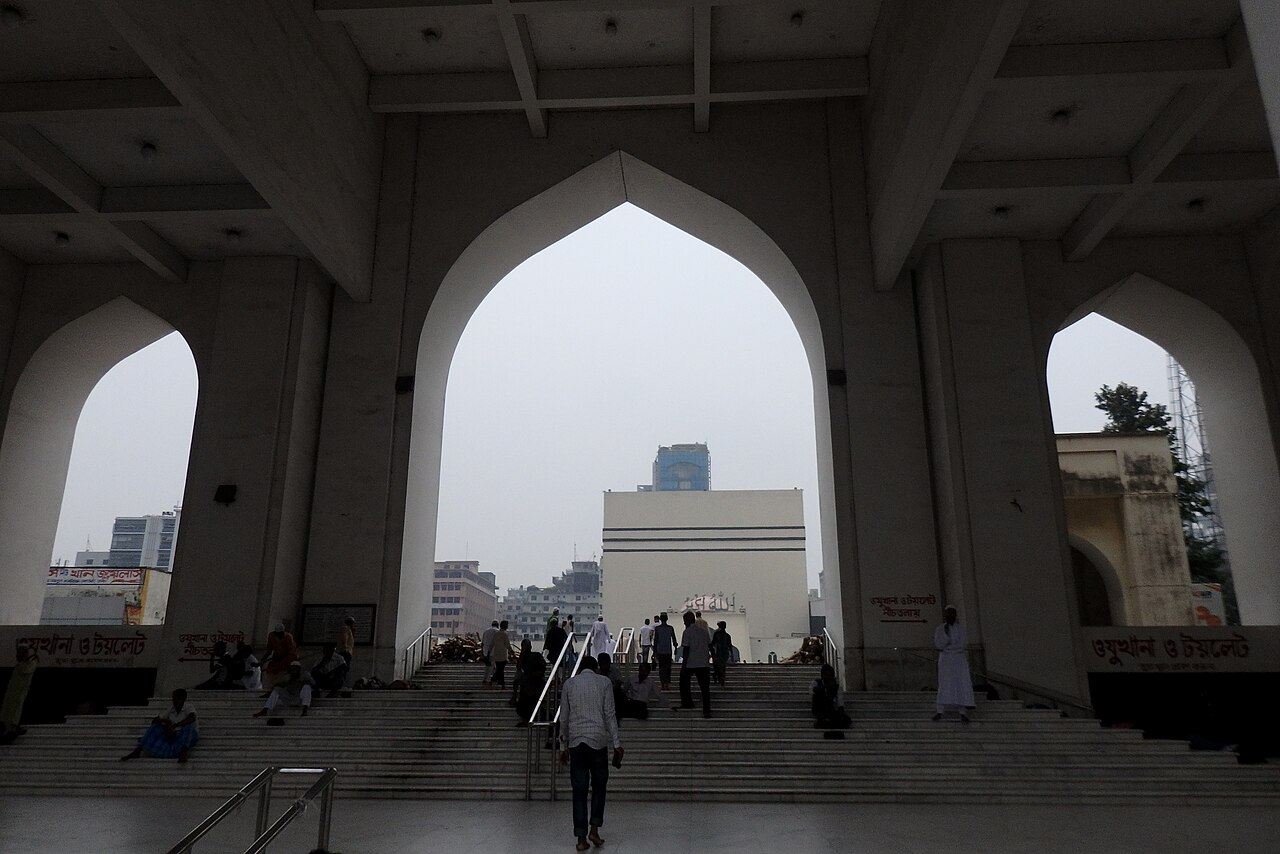
Photo: mohigan / Wikimedia Commons (CC BY-SA 3.0)
Source: Dhaka Times

Comments
(0)