
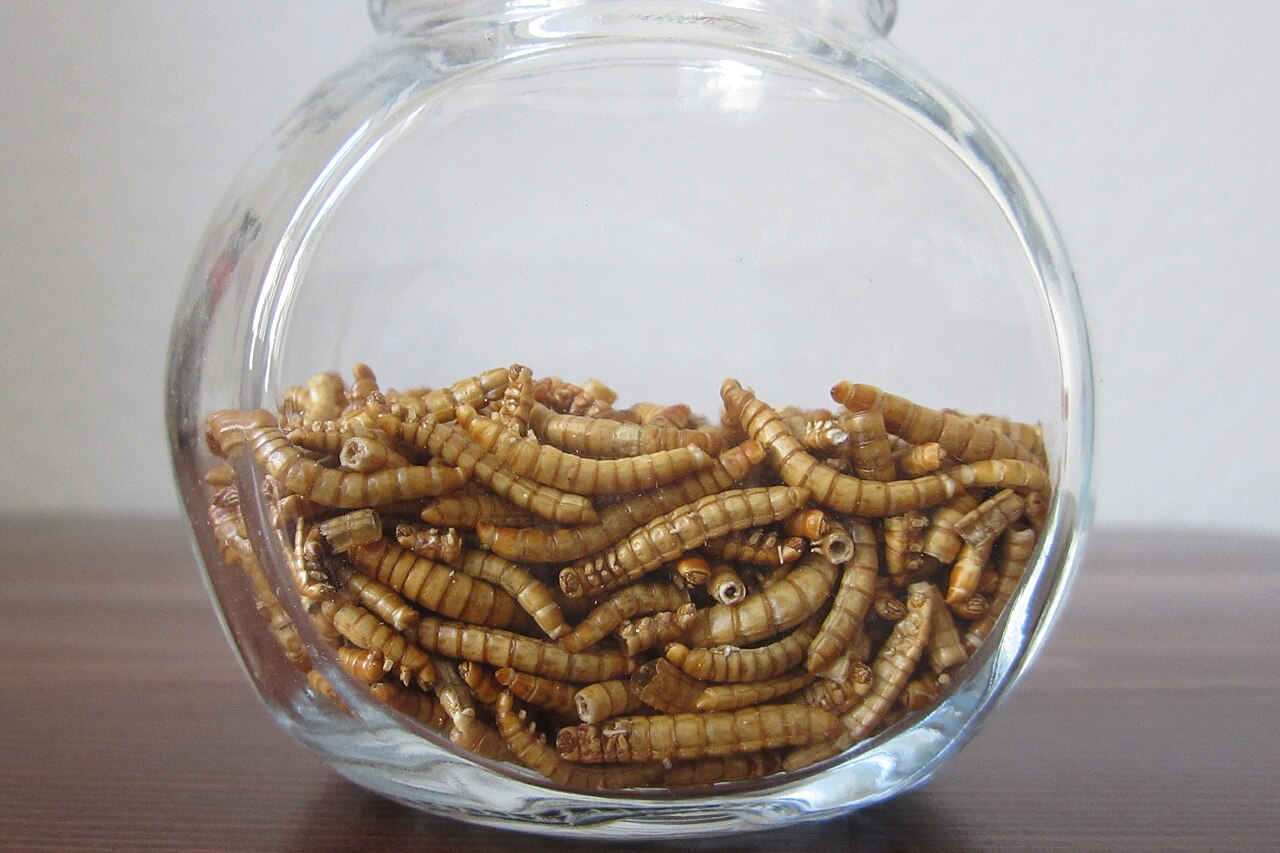
Insect protein drew heavy investment as a sustainable answer to rising protein demand, but high costs, weak demand and consumer disgust have left the sector struggling, with key players such as Ÿnsect and London restaurant Yum Bug closing, FoodNavigator reported. Analysts now see animal feed, pet food and aquaculture, rather than human food, as its likeliest future.
The pitch was strong. Insects use little land and can turn food waste and by-products into protein, and automation promised scalable factories. Fran Proscia of EIT Food said investors saw an answer to Europe's dependence on imported protein and to the environmental costs of fishmeal and soy, at a time when capital was easy and the EU's 2020 Farm to Fork Strategy favoured such projects.
Commercial reality did not keep up. "The industry has struggled because expectations of rapid scale-up were not matched by commercial realities," said Christophe Derrien, a former secretary general of the International Platform of Insects for Food and Feed. Nandini Roy Choudhury of Future Market Insights said the costs of feed, temperature control, labour, harvesting, drying, processing and quality assurance were underestimated, and factories were built before buyers had committed.
Regulation cut both ways. The EU approved four insects for human food, the house cricket, migratory locust, lesser mealworm and yellow mealworm, but approvals came slower than investors expected, and rules on what farmed insects may be fed kept producers from using the cheapest feedstocks. In Western markets many shoppers simply find insects unacceptable as food, and those who tried an insect snack rarely made it a habit, Choudhury said.
Future Market Insights still projects 34% annual growth for the insect protein market from 2026 to 2036, driven by animal nutrition, where buyers judge ingredients on measurable performance. Choudhury cautioned that this is a projection that would need much better production reliability, economics and repeat buying, and insect protein for feed still competes with cheaper established sources.
The report was written by Augustus Bambridge-Sutton.
Photo: Insektenwirtschaft.de / Wikimedia Commons (CC BY-SA 4.0)
Source: FoodNavigator

Comments
(0)