
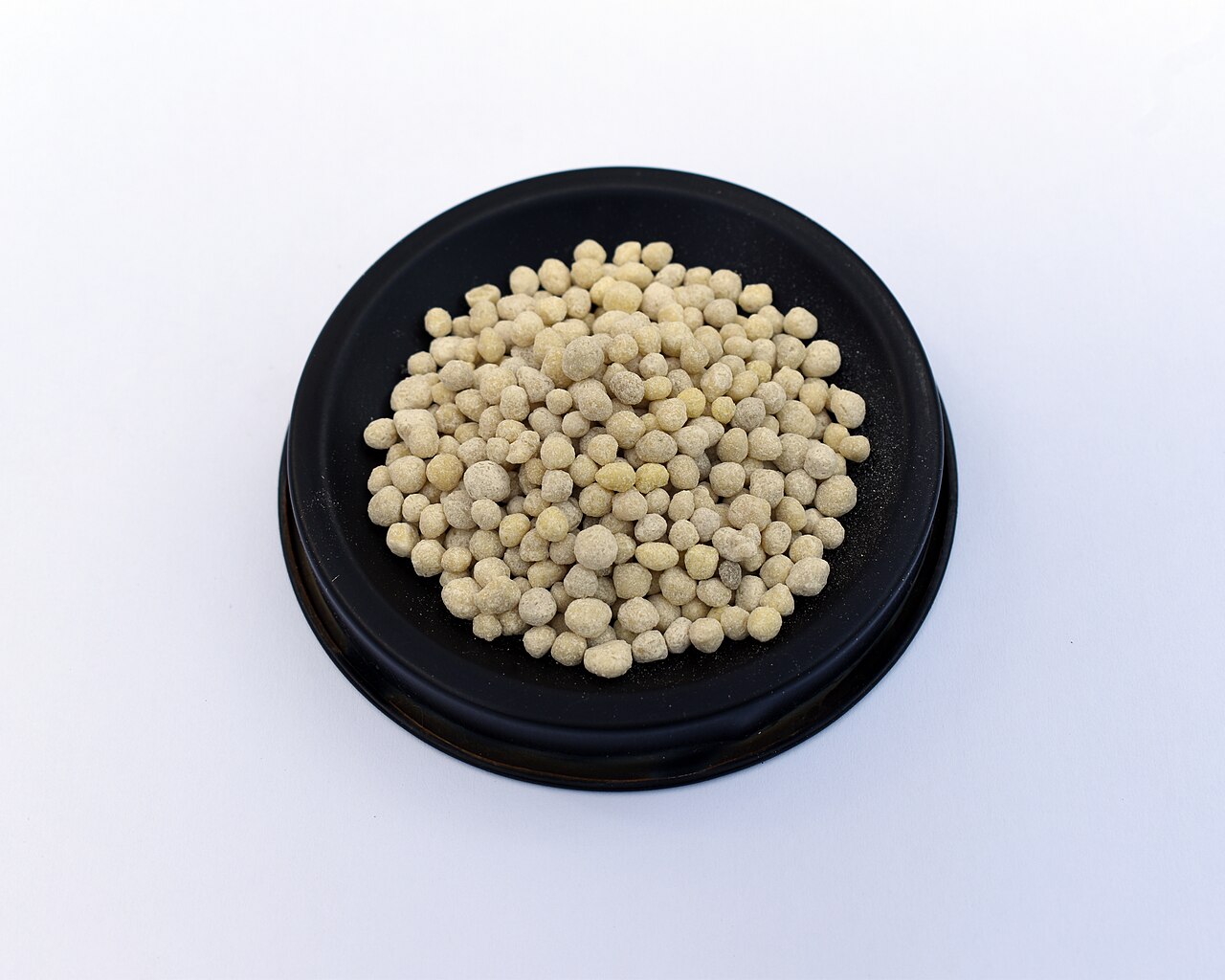
India's Union Cabinet has approved Rs 62,370.02 crore in nutrient-based subsidies on phosphatic and potassic (P&K) fertilisers for the Rabi 2026-27 season, an increase of Rs 24,417.73 crore, or about 64.3 per cent, over the previous winter season, Rural Voice reported. The requirement for Rabi 2025-26 had been Rs 37,952.29 crore.
The decision, taken at a Cabinet meeting chaired by Prime Minister Narendra Modi, covers 1 October 2026 to 31 March 2027. The government said the higher provision reflects changes in international prices of fertilisers and their key inputs, including urea, di-ammonium phosphate (DAP), muriate of potash (MOP) and sulphur.
Fertiliser companies will receive the subsidy at the approved and notified rates so that they can sell to farmers at subsidised prices. The support covers the 28 grades of P&K fertilisers now supplied through manufacturers and importers, among them DAP and various NPKS grades.
The payments run under the Nutrient Based Subsidy (NBS) scheme, in force since 1 April 2010, which sets the subsidy by a fertiliser's content of nitrogen, phosphate, potash and sulphur rather than paying a flat amount per product. The government revises the rates from time to time in line with world prices of fertilisers, raw materials and intermediates.
India relies heavily on imports for phosphatic and potassic fertilisers and their raw materials, so swings in the world prices of DAP, MOP, phosphoric acid, ammonia and sulphur feed directly into the subsidy bill. The new rates are meant to keep these fertilisers affordable and available through the six-month rabi season, when wheat, mustard, pulses and other winter crops need adequate nutrients.
The Fertiliser Association of India (FAI) welcomed the allocation. Its chairman, S Sankarasubramanian, called the decision timely and positive and said the revised NBS rates show "the government's strong commitment to protecting farmers from volatility in global fertiliser and raw material markets."
The government said the revised rates are also meant to rationalise the subsidy in line with recent movements in world fertiliser and input prices.
Photo: Suyash Dwivedi / Wikimedia Commons (CC BY-SA 4.0)
Source: Rural Voice (reported by Rajasree Singh)

Comments
(0)