
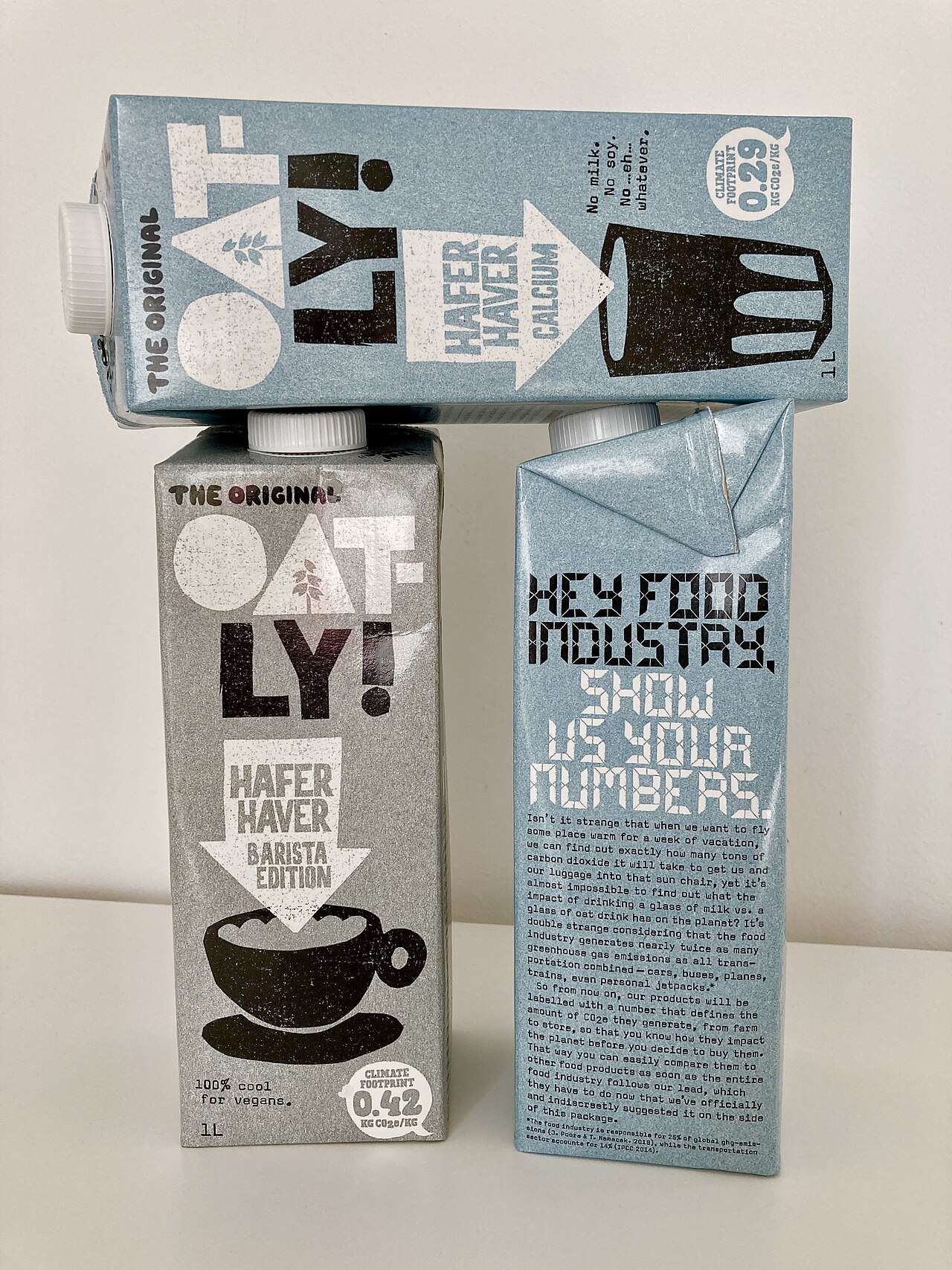
Twelve of the European Union's 27 member states charge a higher rate of value added tax (VAT) on at least one plant-based food than on the animal product it replaces, and none taxes the plant-based version less, according to a report by the European Vegetarian Union (EVU) covered by Green Queen.
The study compared 33 product categories, arranged as 15 direct pairs plus six traditional plant proteins. Plant-based milks face a higher rate in eight countries; margarine, yoghurt, meat and mince alternatives in five; and cheese, cream, fish, tofu, tempeh and seitan alternatives in four. The only case of a plant food taxed below an animal one is Spain, which applies a 4 per cent rate to dry pulses against 10 per cent on fresh meat.
The widest gaps are large. Hungary taxes dairy-free milks and meat and fish alternatives at its standard 27 per cent against 5 per cent for the animal versions. Italy charges 22 per cent on non-dairy milks against 4 per cent on cow's milk; Portugal 23 per cent on meat and seafood analogues against 6 per cent; and Croatia 25 per cent on plant-based milk, meat, fish, tofu, tempeh and seitan against 5 per cent. In Latvia, a temporary cut to 12 per cent on milk, fresh poultry, bread and eggs until the end of June 2027 was not extended to plant-based alternatives.
Those rates show up on the shelf. With identical pre-tax prices, an oat milk and a cow's milk that each cost one euro become €1.27 and €1.05 in Hungary, a 21 per cent gap from tax alone. The report puts the tax-driven widening at 19 per cent in Croatia, 17.3 per cent in Italy and 16 per cent in Portugal, and just 2.9 per cent in Poland.
The EVU traces the gap to three causes: product lists written before plant-based foods reached the market, reduced rates limited to unprocessed meat and fish while plant products are classed as processed, and old rates such as the split between butter and margarine. It notes that since the 2022 reform of the VAT Directive, member states can already apply reduced or zero rates to foods, so the differences come from national classification choices, and it calls for common EU guidance.
Price matters to sales, the report says. Lidl in Germany recorded 30 per cent growth in plant-based sales within six months of pricing them at or below animal proteins, Austria's Billa reported a 47 per cent rise in discounted private-label lines after price parity, and French retail volumes of meat alternatives rose 16.8 per cent as they became cheaper. For the farmers who grow pulses, oats and other plant-protein crops, the EVU argues, the extra tax is a burden on their market too.
Photo: Tischbeinahe / Wikimedia Commons (CC BY-SA 4.0)
Source: Green Queen (reported by Anay Mridul)



Comments
(0)