
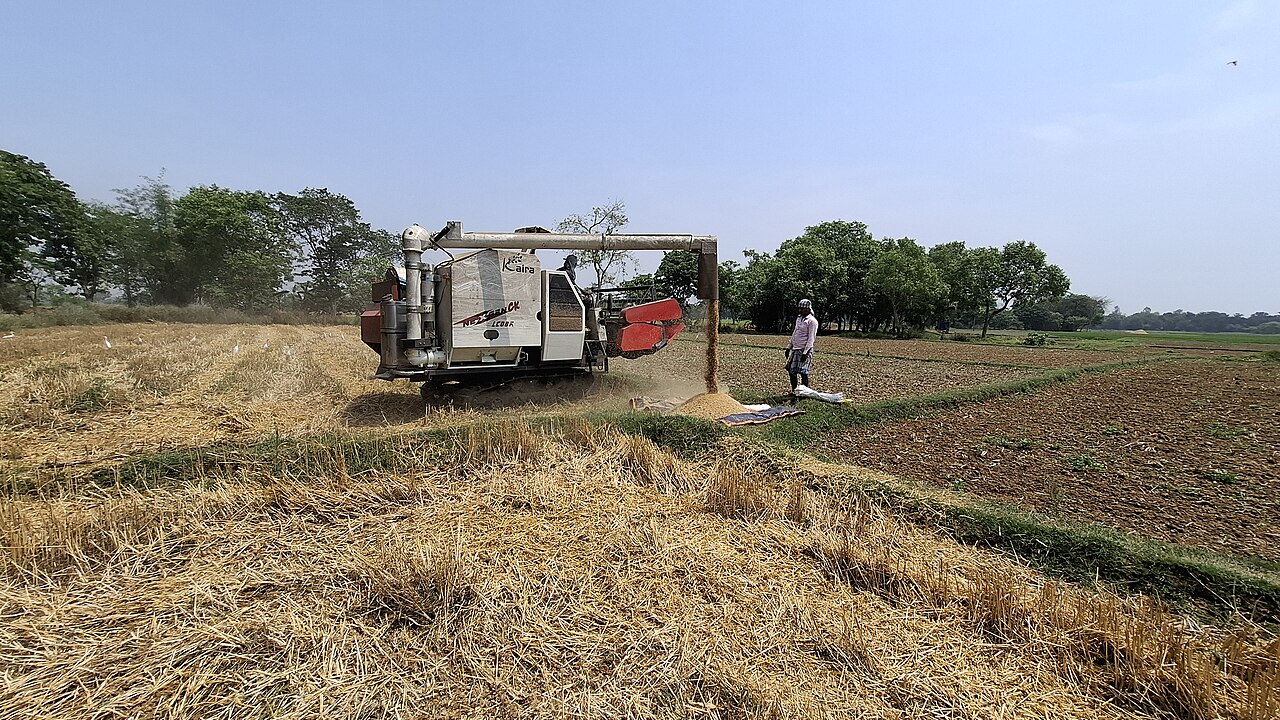
India now has more than 49,800 registered farmer producer companies (FPCs) in 35 states and union territories and over 600 districts, but the challenge has shifted from forming them to making them profitable, according to the State of the FPO Sector (SOFPO) 2026 report, AgroSpectrum reports.
Ninety-seven percent of farmer producer organisations (FPOs) were set up in 2016 or later, after the central scheme to form 10,000 of them. Maharashtra has more than 18,000, Uttar Pradesh over 7,900 and Madhya Pradesh over 2,500. Yet nearly 91 percent of FPCs have paid-up capital below Rs 5 lakh, many take five to eight years to reach processing, and margins can rise from about 0-2 percent in input sales to 8-12 percent in branded retail only with more capital and better governance.
This year's edition focuses on women. A survey of 170 women-led FPOs, with ICAR, suggests they can achieve stronger organisational results, but about 90 percent still depend mainly on cereals and mandi sales, and only 13-14 percent of women farmers hold land titles. Of Rs 238 crore lent to FPOs by Friends of Women's World Banking up to March 2026, only Rs 28.65 crore reached women-led or women-majority groups.
Compliance is a burden for small companies, and the lapse of the Section 80PA tax exemption after 2024-25 means eligible FPCs are now taxed like ordinary companies. The report asks for the exemption to be restored and for Minimum Alternate Tax on FPC profits to be removed. It says federations of FPOs, proposed in the draft National FPO Policy of June 2024 but not yet in place, could help them bargain with big buyers.
On new technology, the report finds solar irrigation, cold storage, drying and pulse processing in seven projects cut post-harvest losses by 30-45 percent, with income gains of Rs 1.2-1.6 lakh a year in one case. It warns that many FPOs lack the capacity to handle AI services and farm data, and that ownership of carbon credits from paddy, agroforestry and natural farming is unclear, proposing a seven-point term sheet for carbon deals.
Photo: BigZone Sonu / Wikimedia Commons (CC BY-SA 4.0)
Source: AgroSpectrum

Comments
(0)