
Consumer price inflation in India accelerated to 5.5% in September from 4.8% in August, and food inflation rose to 7.7% from 6.0%, according to Crisil Intelligence's October assessment, reported by AgroSpectrum.
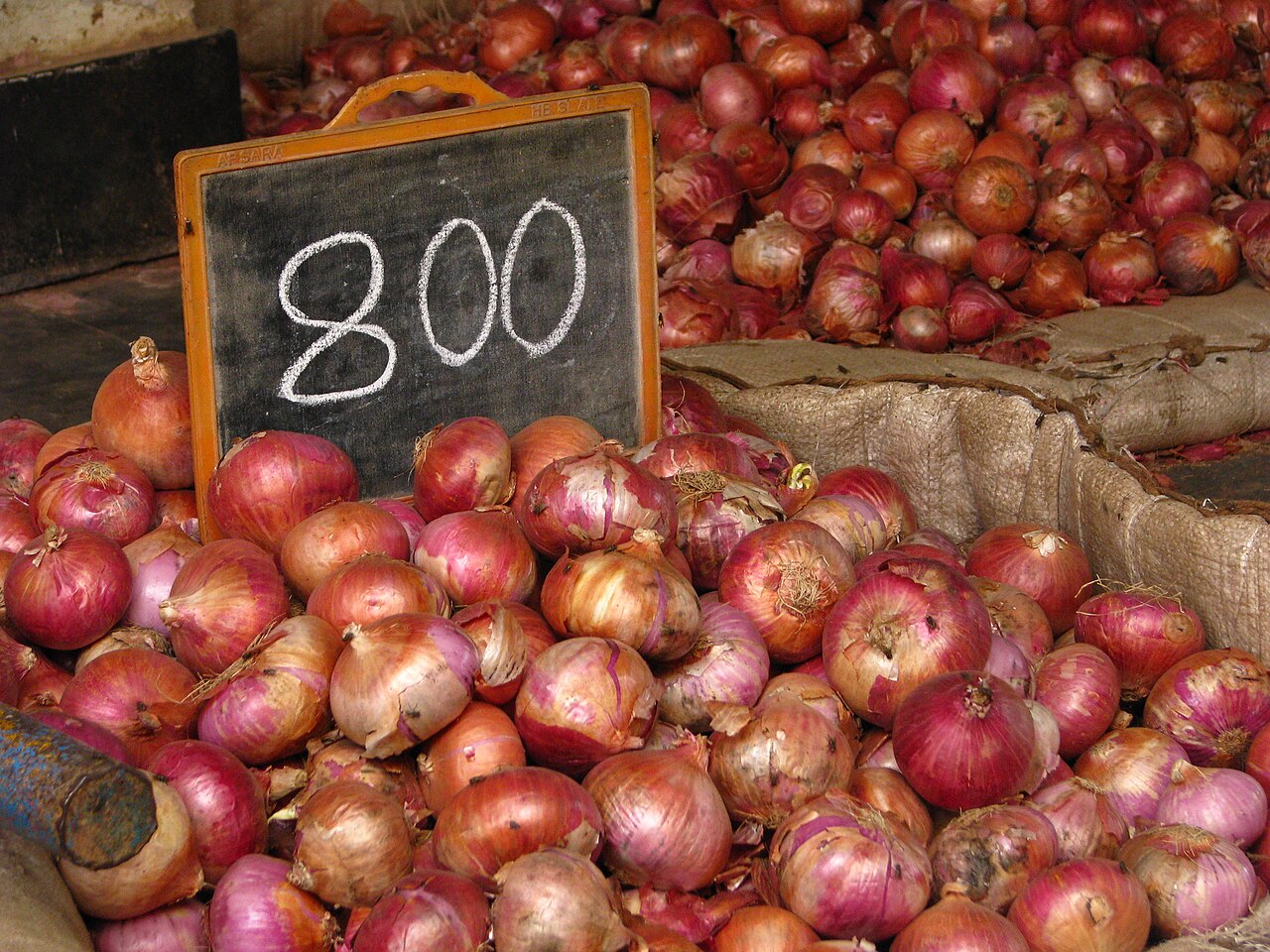
Onions were the biggest single source of pressure: onion inflation jumped to 108.1% from 48.8% amid tight supplies after lower rabi production. Fresh vegetables and tubers as a whole rose 10.8%, against 1.0% in August, largely because of the base effect. Potato and tomato prices were still falling, at minus 11.5% and minus 8.6%, but less steeply than before. Crisil expects onion prices to stay firm through the first half of October, because arrivals fell after the June rainfall deficit and festival demand added strain, and to ease towards the end of the month as kharif arrivals pick up.
Cereals rose 3.9% (2.8% in August) and pulses 4.7% (3.6%). Sugar inflation climbed to 28.0% from 22.2%. Rice, wheat, maize, vegetable oils and sugar, whose international prices have hardened together, accounted for about a fifth of food inflation in September, up from around 15% in April. Vegetable oil inflation reached 9.4%, with the FAO Vegetable Oil Price Index up 18.3% on a year earlier; a cut in customs duty on some edible oils announced in late September could bring some relief.
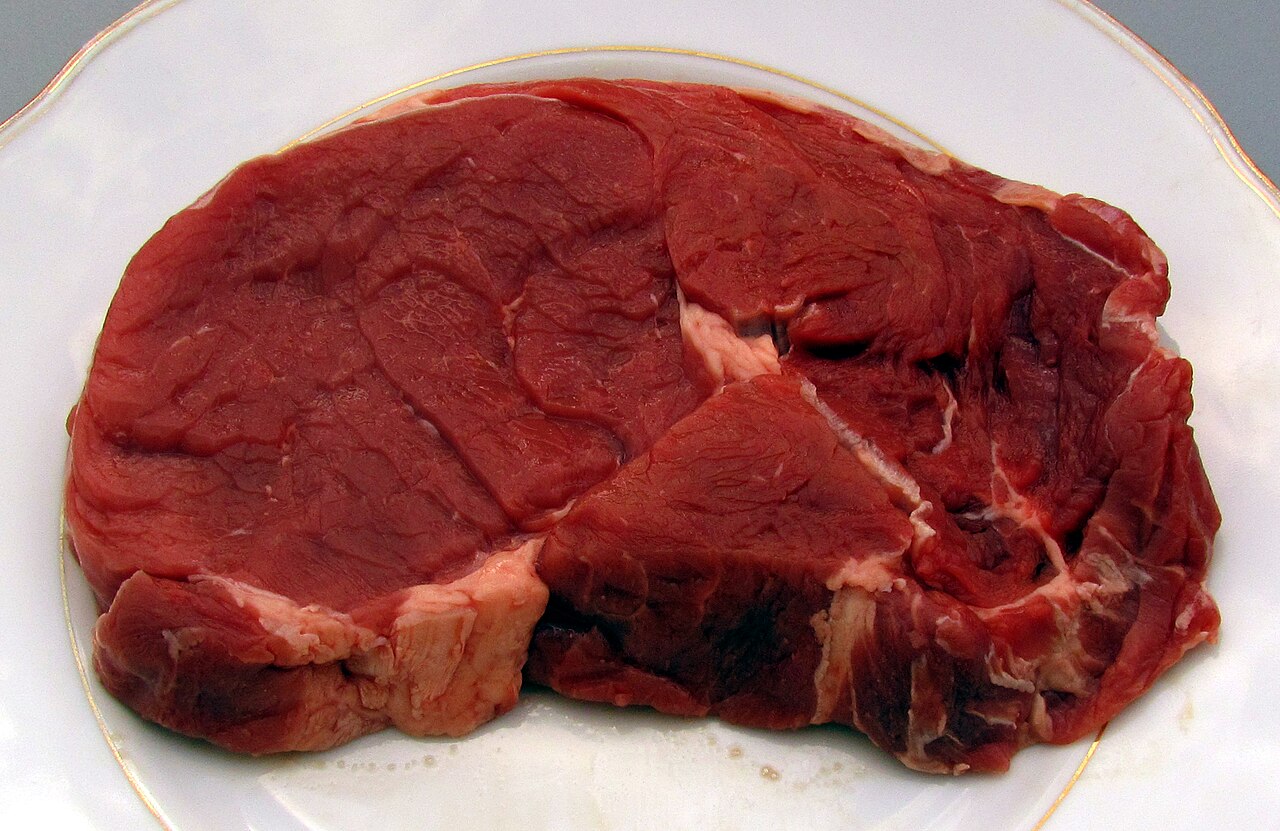
Milk, dairy and eggs rose 5.1% (4.8%), while meat eased to 8.7% from 12.0% on a high base and fish to 7.9%. Crisil's rainfall impact measure shows bajra, tur, maize, groundnut, rice and soybean remain vulnerable where rain deficits meet limited irrigation, and concern over rabi prospects adds uncertainty.
Crisil has raised its inflation forecast for fiscal 2027 by 20 basis points to 5.3% and sees room for a 25-basis-point rise in the Reserve Bank of India's policy rate in December, as core inflation excluding gold and silver also rose, to 3.2% from 2.9%.
Photo: McKay Savage / Wikimedia Commons (CC BY 2.0)
Source: AgroSpectrum


Comments
(0)