
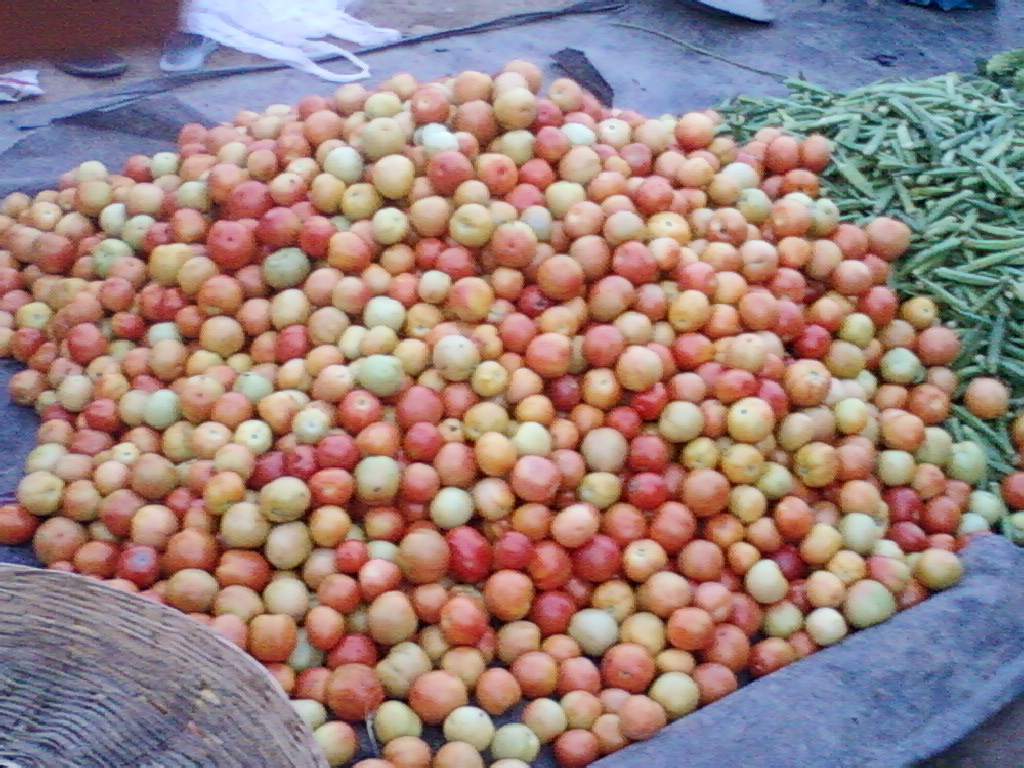
Food prices, a possible strong El Niño and low water storage are the main risks to India's economy in the coming months, according to the November 2026 Monthly Economic Review of the Department of Economic Affairs, which found adequate government foodgrain stocks and comfortable fertiliser supplies a cushion against them.
Retail inflation rose to 6.09% in October from 5.54% in September, and food inflation climbed to 8.94%. Rural inflation, at 6.63%, ran above urban inflation at 5.41%, and food prices rose faster in rural centres (9.1%) than in towns (8.7%), because food takes a larger share of rural spending.
The rises were broad. Rice prices were up 12.5%, arhar and urad pulses 15% and 12%, refined oil about 16% and mustard oil about 10%. Garlic rose about 61% and lemons about 47%. Chicken, eggs and meat were also large contributors, and milk and dairy products were pushed up by dearer fodder, cattle feed, packaging and transport.
The review expects further pressure in November from the end of the festive season and the start of the wedding season. It cites the World Meteorological Organization's warning that an exceptionally strong El Niño could peak towards the end of 2026, which a positive Indian Ocean Dipole may partly offset.
Water is a concern before the rabi crop. On November 19 the 178 monitored reservoirs held 113.75 billion cubic metres, 61.56% of capacity, but only 69.27% of last year's level and 79.42% of the 10-year average. Groundwater was largely stable, though 24.1% of monitored wells showed some degree of groundwater drought.
Fertiliser stocks on October 30 were reported as comfortable: 101.46 lakh tonnes of urea, 36.43 lakh tonnes of DAP, 12.95 lakh tonnes of MOP, 53.78 lakh tonnes of NPK and 24.82 lakh tonnes of SSP. The opening DAP stock for the rabi season was 3.19 lakh tonnes higher than a year earlier.
The review says government grain stocks could help hold prices if El Niño damages crops, and that crude oil below $100 a barrel and a stronger rupee may ease imported inflation if they last. Weather, geopolitical tension and global trade uncertainty remain the main challenges, Rural Voice reports.
Photo: Tom1cruz / Wikimedia Commons (CC0)
Source: Rural Voice

Comments
(0)