
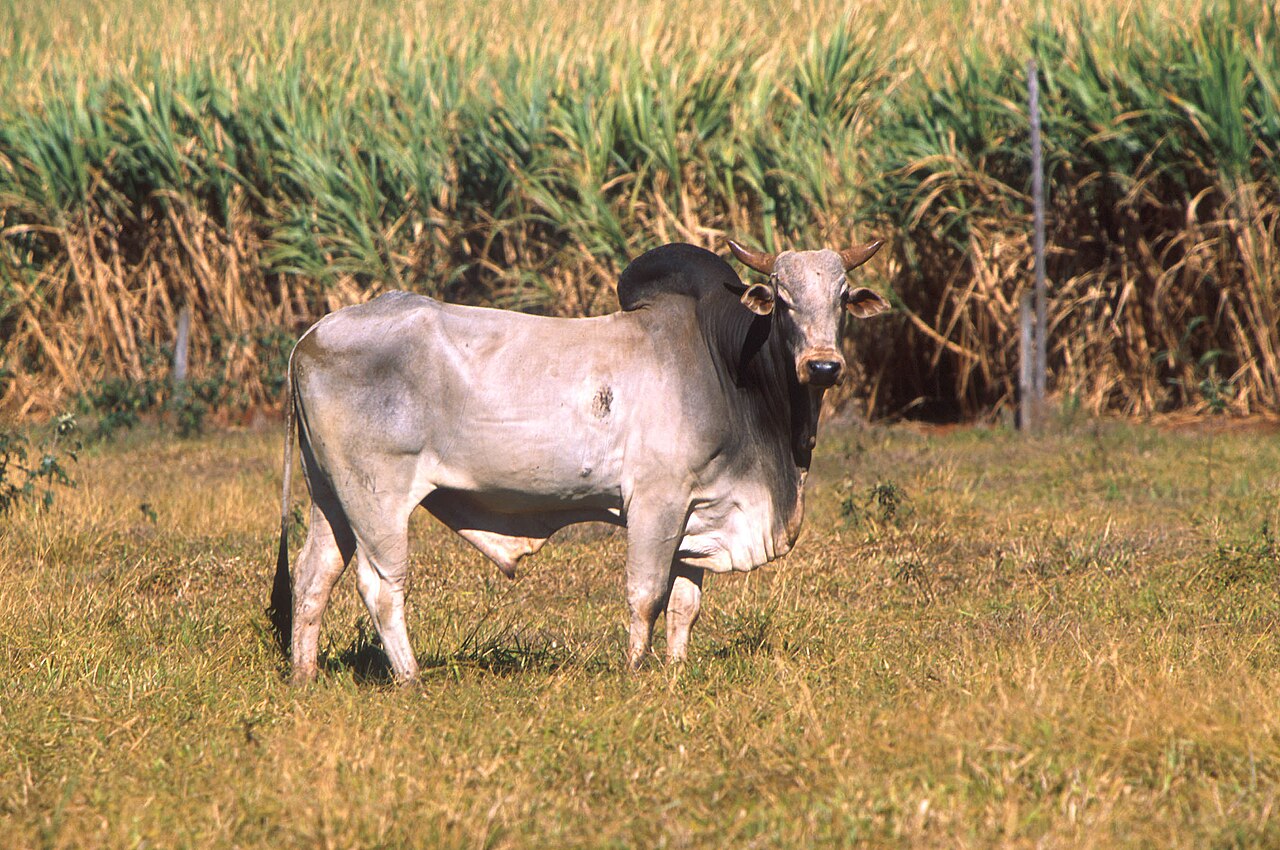
India has run a national rehearsal for a livestock disease it wants to keep out: SAT1, an exotic serotype of foot-and-mouth disease. The vaccines now used in the country do not protect against it, which is why the two-day exercise, named VAJRA-SAT, focused on spotting and containing an incursion quickly.
The Department of Animal Husbandry and Dairying organised it with the ICAR National Institute of Veterinary Epidemiology and Disease Informatics in Bengaluru, under the theme "Detect Early, Confirm Fast, Contain Together". It brought together 83 participants from 25 states, three union territories and national bodies, including veterinary services, diagnostic laboratories, research institutes, vaccine makers and security agencies. They worked through simulated outbreaks to test how a response would hold up.
The seven groups returned with practical points. Outbreaks have to be recognised even in vaccinated herds, because an unfamiliar serotype can appear there. Reporting and sampling must be prompt, the serotype must be confirmed fast through the ICAR National Institute on Foot and Mouth Disease, and movement restrictions, investigations and rapid response teams have to follow on time. Risk communication and coordination between states were also raised.
Rama Shankar Sinha, additional secretary for livestock health, who chaired the closing session, said the department would use the Pandemic Fund to strengthen regional foot-and-mouth laboratories and Regional Disease Diagnostic Laboratories, for earlier detection and quicker confirmation of SAT1.
Indian vaccine makers asked for government help to obtain suitable SAT1 virus strains, so that they can develop and produce a vaccine at home before one is needed. The exercise also tested veterinary readiness, looked for gaps in standard procedures and clarified who does what in an emergency. Its findings will go into a report meant to strengthen the national contingency plan.
A separate meeting afterwards reviewed progress on foot-and-mouth-free compartments in the states. The aim is to prevent disease, protect valuable livestock genetics and make livestock trade safer, with the discussion focused on setting up semen production centres and semen banks as such compartments.
Photo: Scott Bauer, USDA ARS / Wikimedia Commons (public domain)
Source: ICAR
Comments
(0)