

Malik ibn Anas, a scholar of Medina, was honoured as the imam of the city of the Hijra. He founded the Maliki school, one of the four major schools of Islamic law, and shaped Medina's legal tradition. Writing on Prothom Alo's religion page, essayist and researcher Ahmad Sabbir traces his life and work.
His family came from the Himyar tribe of Yemen but had long settled in Medina. Most historians date his birth to the year 93 of the Hijra (711-712 CE), in the reign of the Umayyad caliph al-Walid ibn Abd al-Malik. Citing the biographer Qadi Iyad, the article says he learned from 700 to 900 teachers, though he said he took hadith only from those whose piety he trusted.
Before teaching hadith he bathed, put on clean clothes and a turban and wore perfume, out of respect for the Prophet's words. He said he did not sit to teach in the Prophet's Mosque until 70 leading scholars of Medina had testified that he was fit to do so. Starting at 21, he taught there for about sixty years, drawing students from Egypt, North Africa, al-Andalus, Iraq and the Hijaz; Imam al-Shafi'i was among them.
He was also known for speaking plainly to those in power. In the year 147 of the Hijra, under the Abbasid caliph Abu Ja'far al-Mansur, he narrated the hadith that a divorce given under compulsion does not take effect. Ibn Kathir records that the governor of Medina, Ja'far ibn Sulayman, had him publicly flogged; the caliph later expressed regret.
His greatest work is al-Muwatta. Biographers say he revised it for about forty years and repeatedly submitted it to the scholars of Medina for review. The best known of its transmissions is that of Yahya ibn Yahya al-Laythi. Scholars including Ahmad ibn Hanbal, Abd al-Rahman ibn Mahdi and Yahya ibn Ma'in vouched for his reliability.
He died at about 85 on 14 Rabi al-Awwal in the year 179 of the Hijra (795 CE), in the reign of Harun al-Rashid, and was buried in Medina's al-Baqi cemetery.
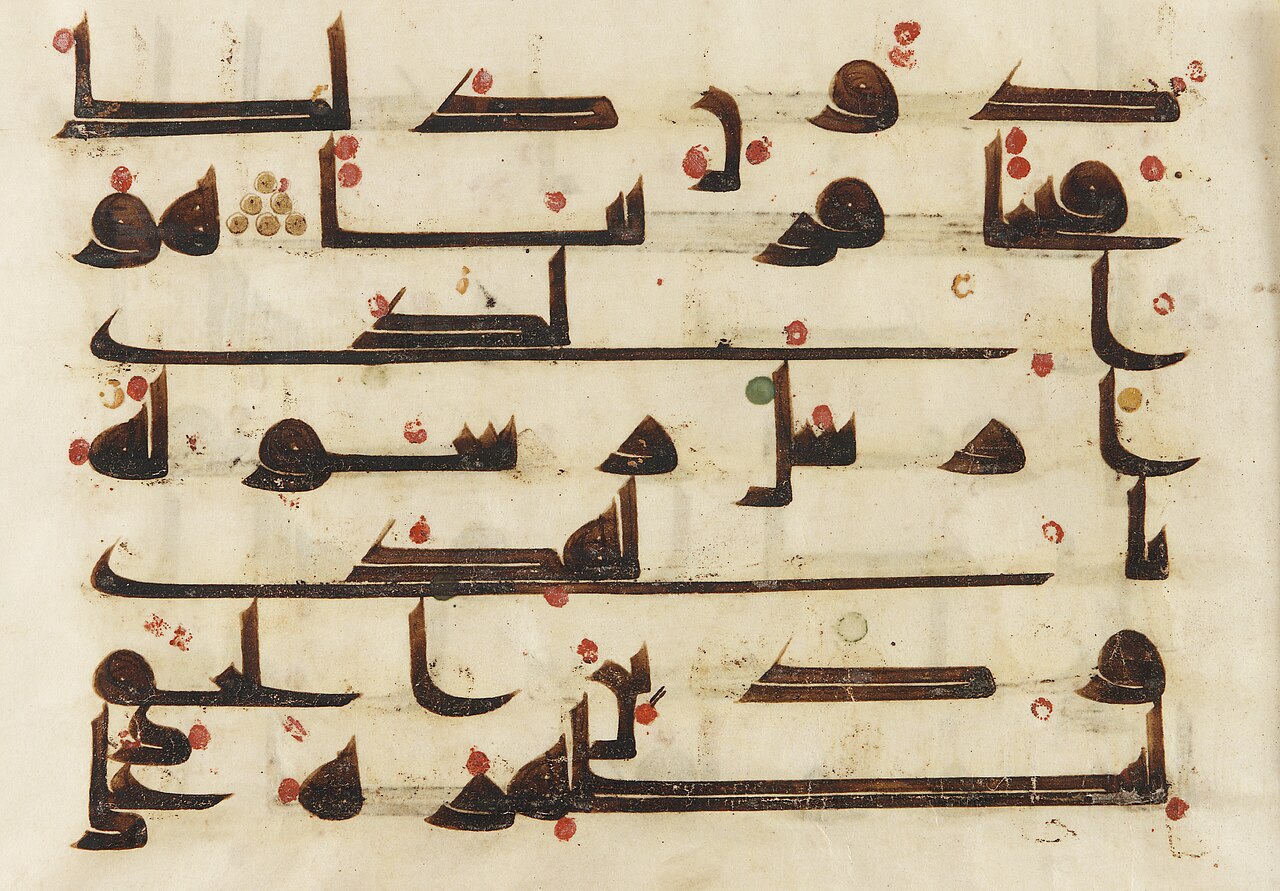
Photo: Mondephile / Wikimedia Commons (CC BY-SA 3.0)
Source: Prothom Alo


Comments
(0)