
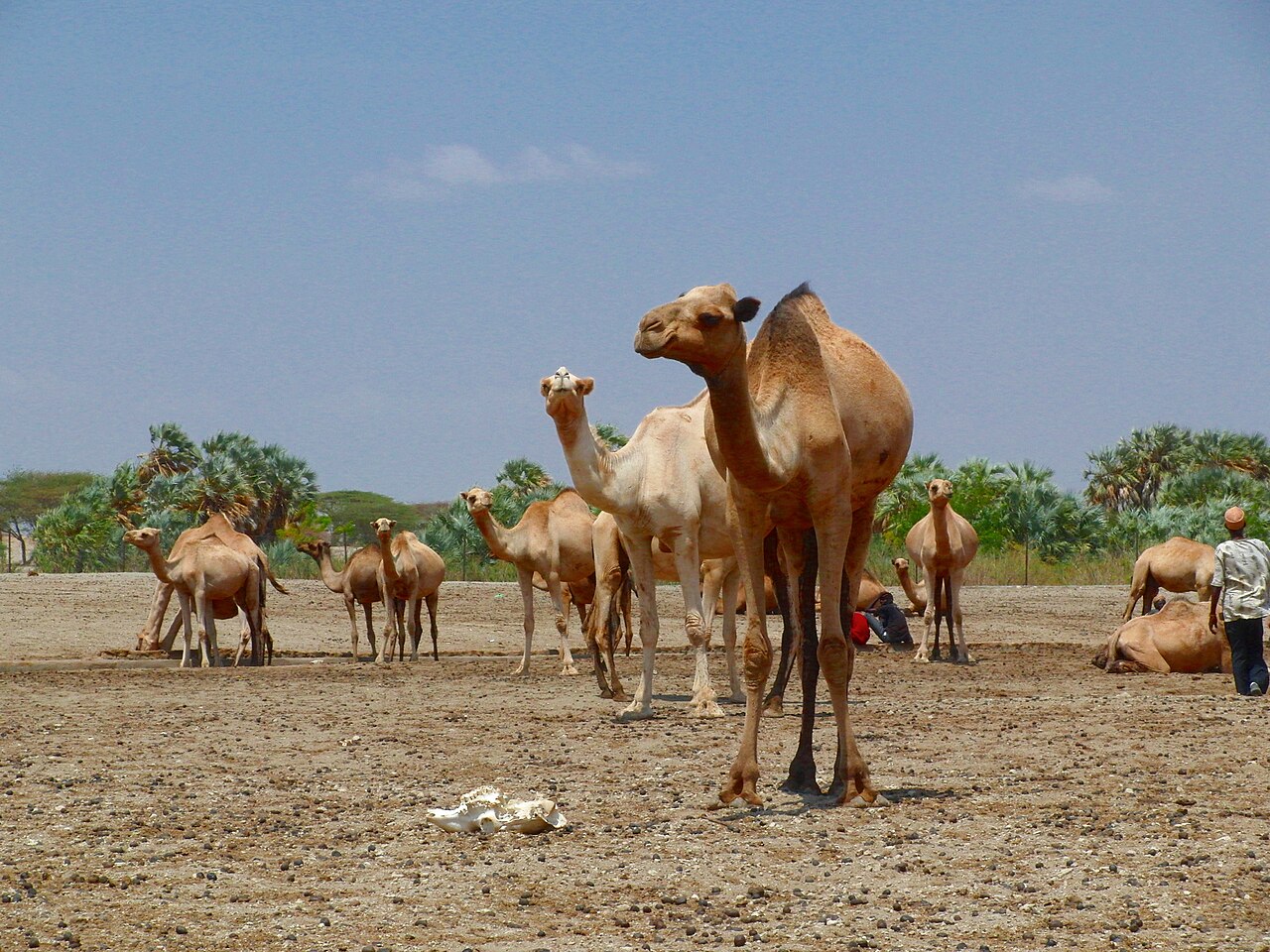
When El Niño rains reach the drylands of the Greater Horn of Africa, herders' first problems are practical: flooded tracks to market, sick animals and veterinarians who cannot reach them. Researchers at the International Livestock Research Institute (ILRI) say forecasts only help if they set off action before the hazard becomes a crisis, in a piece published by CGIAR.
"Early warning systems work best when they trigger fast action to prevent damage," said Kelvin Shikuku, senior scientist and economist at ILRI. That means linking forecasts to emergency services, to communication networks that reach the communities most at risk, and to funding. Heavy rain can cut livestock routes, damage roads and bridges, raise crop pests and bring spikes in animal diseases such as Rift Valley fever, and the effects cross borders along shared rivers, grazing lands and trade routes. ILRI's Meshack Baraza said countries must share risk assessments and data across borders.
ILRI points to two tools. Index-Based Livestock Insurance (IBLI) pays out on independently measured forage indicators, so pastoralists can buy feed and water before conditions worsen; pastoralists with IBLI cover are 36% less likely to make distress sales of livestock. The researchers suggest insurance triggers could also unlock pre-approved credit or eased loan repayments for traders, fodder producers, veterinary providers and cooperatives. An IBLI community of practice emerged from the El Niño Preparedness IGAD forum in Ethiopia, bringing together member states, insurers, IGAD's climate centre ICPAC and UN agencies.
The second is KAZNET, an open-source platform developed by ILRI on which local contributors complete short paid reporting tasks by phone on livestock markets, pasture and water, animal condition, household circumstances and pressure on resources, filling the gap that satellites and seasonal forecasts leave on the ground.
Acting early protects more than animals, the researchers say: healthy herds sustain milk, nutrition, income and breeding stock, while distress sales at low prices shrink herds and make recovery take several seasons. The work was carried out under the CGIAR Science Programs on Food Frontiers and Security and on Climate Action.
Photo: Jens Klinzing / Wikimedia Commons (CC BY-SA 3.0)
Source: CGIAR

Comments
(0)