
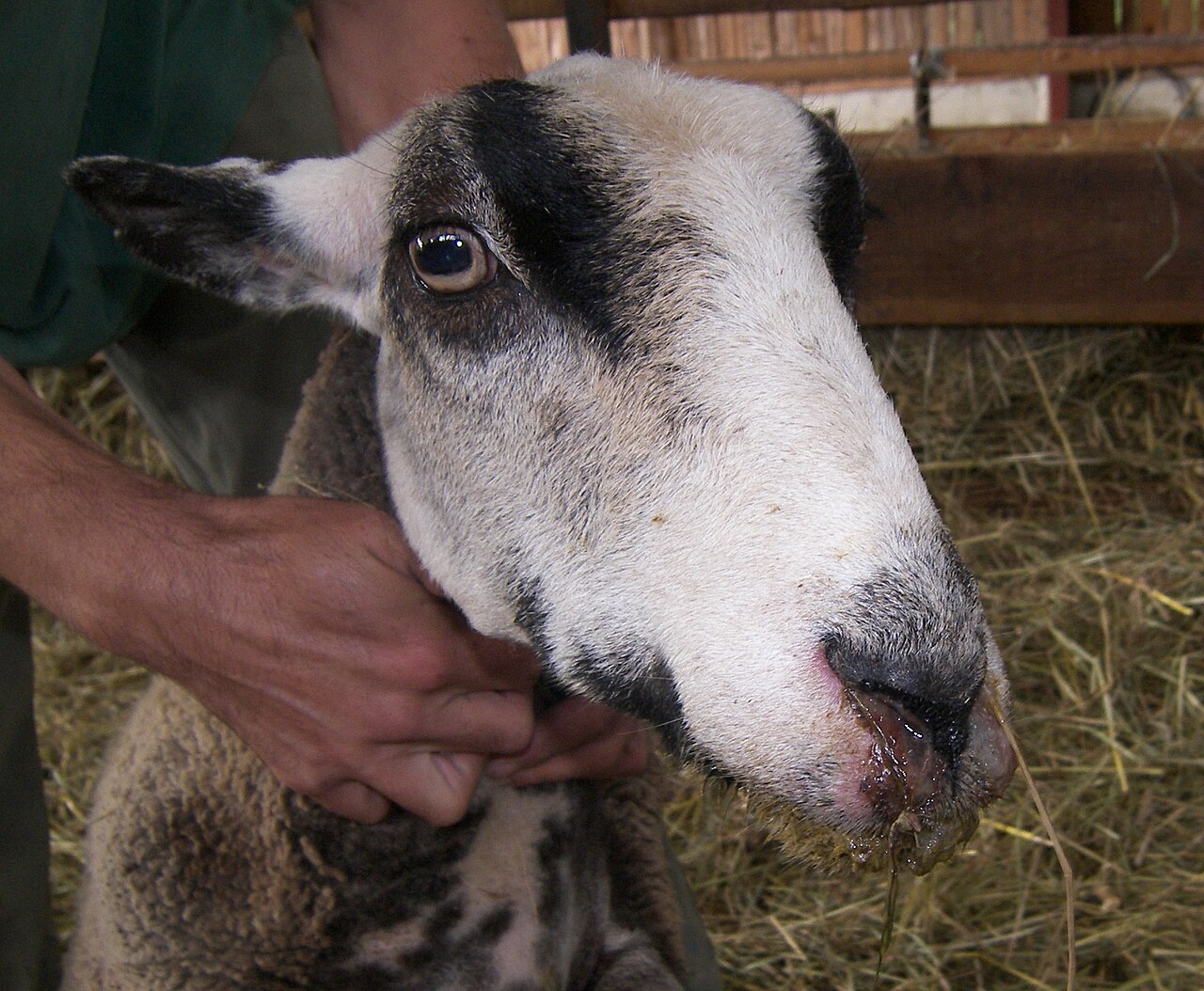
Sheep farmers in Britain are being urged to fertility-test their rams before tupping after a Devon veterinary practice found about half of those examined to be infertile, Farmers Weekly reports. Bluetongue virus (BTV) cases have reached 2,878 so far in the 2026-27 season, 2,371 in England, 461 in Wales and 46 in Scotland, against 348 in the whole of 2025-26. Devon has the most, with 1,075 positive premises.
Dr Nich Roper of Torch Farm and Equine in Devon said about 800 rams have been tested over three weeks. "We're running at around about 50% of rams being infertile at the time of testing," he said, against about 20% with problems in a normal year. Many cases are likely linked to bluetongue, though problems are also showing in flocks with no clinical signs; some semen is dilute, and in other samples the sperm are dead. Vaccinated rams showed much better fertility, and he rejected suggestions that vaccination was to blame. Some rams may recover, but it is unclear how quickly, and lower ram fertility could mean fewer lambs next spring.
In Wales, Dr Jim Hopkins of IVC's West Wales Farm Vets said problems on this scale have not yet appeared but urged farmers to vaccinate for next year.
Demand for vaccine looks strong. A National Sheep Association (NSA) survey of more than 1,400 farmers, run from 21 August to 27 September, found 65% definitely plan to vaccinate against BTV-3 in 2027, 40% could not get vaccine this season despite trying, and 74% would consider ordering ahead through their vet, which the NSA puts at about 350,000 doses. Supplies tightened by mid-August after low uptake meant manufacturers held little spare stock; about 4.85 million doses of EU-authorised vaccine were imported in August and early September, 1.68 million more are due by December, and 1.33 million GB-authorised doses are expected in January and February 2027.
"For farmers, vaccine planning must be treated as a routine part of the flock health plan," said NSA chief executive Phil Stocker, noting that vaccine supply takes several months from culture to farm. The NSA cautions that the survey reflects intentions during a major outbreak.
Photo: Fourrure / Wikimedia Commons (CC BY-SA 2.0)
Source: Farmers Weekly

Comments
(0)