
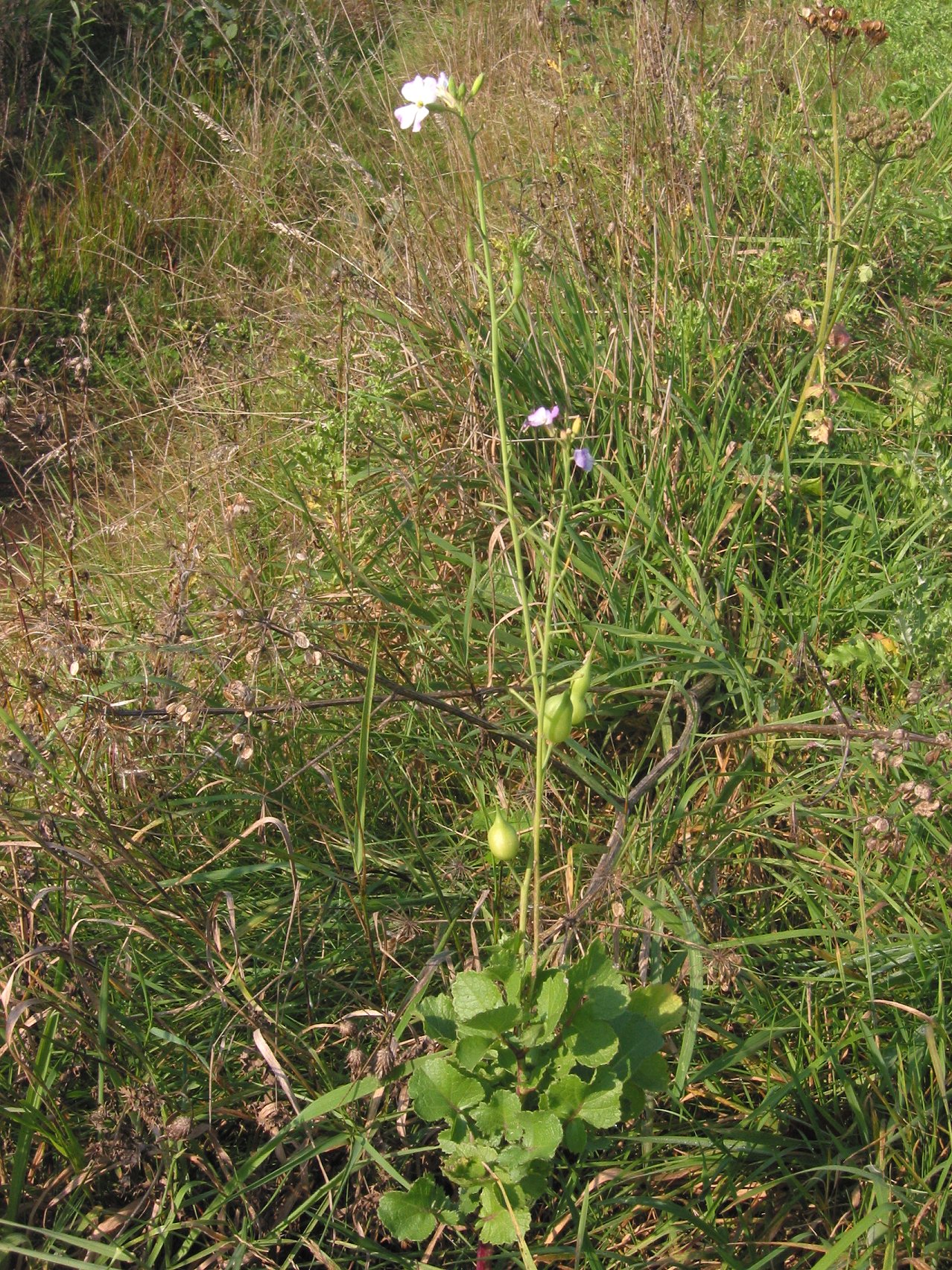
Livestock farmers facing a dry El Nino summer can get more and better feed from fodder radish without irrigation by planting it early, according to a study by two South African researchers published by Food for Mzansi.
Fodder radish (Raphanus sativus L.) is a fast-growing plant with green leaves and tuberous roots that is fed to cattle, sheep and goats in winter, when grass dies back, and in droughts. It is grown on smallholdings and large farms alike, especially where grazing land is limited. Because the varieties were bred only recently, their best planting date had never been tested under rainfed conditions and without fertiliser.
The researchers planted fodder radish over four months at Cedara in the KwaZulu-Natal Midlands, a region of deep red clay soils with warm, wet summers. They relied on rainfall alone and used no fertiliser, to mirror smallholders who have little access to either. Planting date mattered: in general, the earlier the planting, in December and January, the better the outcome.
December plantings produced many more tubers, while January plantings gave the most leafy feed and the highest protein content. Earlier planting also raised the concentrations of phosphorus, potassium and zinc in the leaves, minerals that may help livestock growth and health when natural grasses decline in quantity and quality. The authors advise farmers to time planting by whether they want more leaves and stems or more tubers, and to treat planting as a window that can shift with early or late rains rather than a fixed date.
The timing question matters this season. The World Meteorological Organization expects the current El Nino to strengthen into a very strong event towards the end of 2026, with effects likely into early 2027, raising the risks of drought, heatwaves, water stress, lost grazing, lower grain yields and veld fires in southern Africa. Buying feed supplements is costly, especially for households that depend on their animals for food and income.
The authors caution that the trial covered one small area over two planting seasons, so its results will not transfer directly to parts of South Africa with other soils, climate and rainfall, and more trials are needed. They also call for agricultural advisers, weather services and researchers to turn seasonal forecasts into practical planting advice before farmers decide. The article, first published by The Conversation, is by Lusanda Ncisana, lecturer at the University of Limpopo, and Tafadzwanashe Mabhaudhi, professor at the London School of Hygiene & Tropical Medicine.
Photo: Rasbak / Wikimedia Commons (CC BY-SA 3.0)
Source: Food for Mzansi

Comments
(0)