
The 2026-27 El Niño could cause $11 trillion in lost global income over the next five to six years and threaten food security and rural livelihoods well beyond its peak, according to a report released at the opening of COP31 in Antalya, Türkiye, Down To Earth reports.
The report, Food Systems Under Stress: Building Resilience from the First Mile, was published on 9 November 2026 by the International Fund for Agricultural Development (IFAD) and Türkiye's Ministry of Agriculture and Forestry. It expects El Niño to peak between October 2026 and January 2027, with effects on farm output that may last through 2027 and beyond. It notes that this El Niño comes on top of rising global temperatures and follows the 2026 energy and fertiliser price shock linked to the Strait of Hormuz crisis.
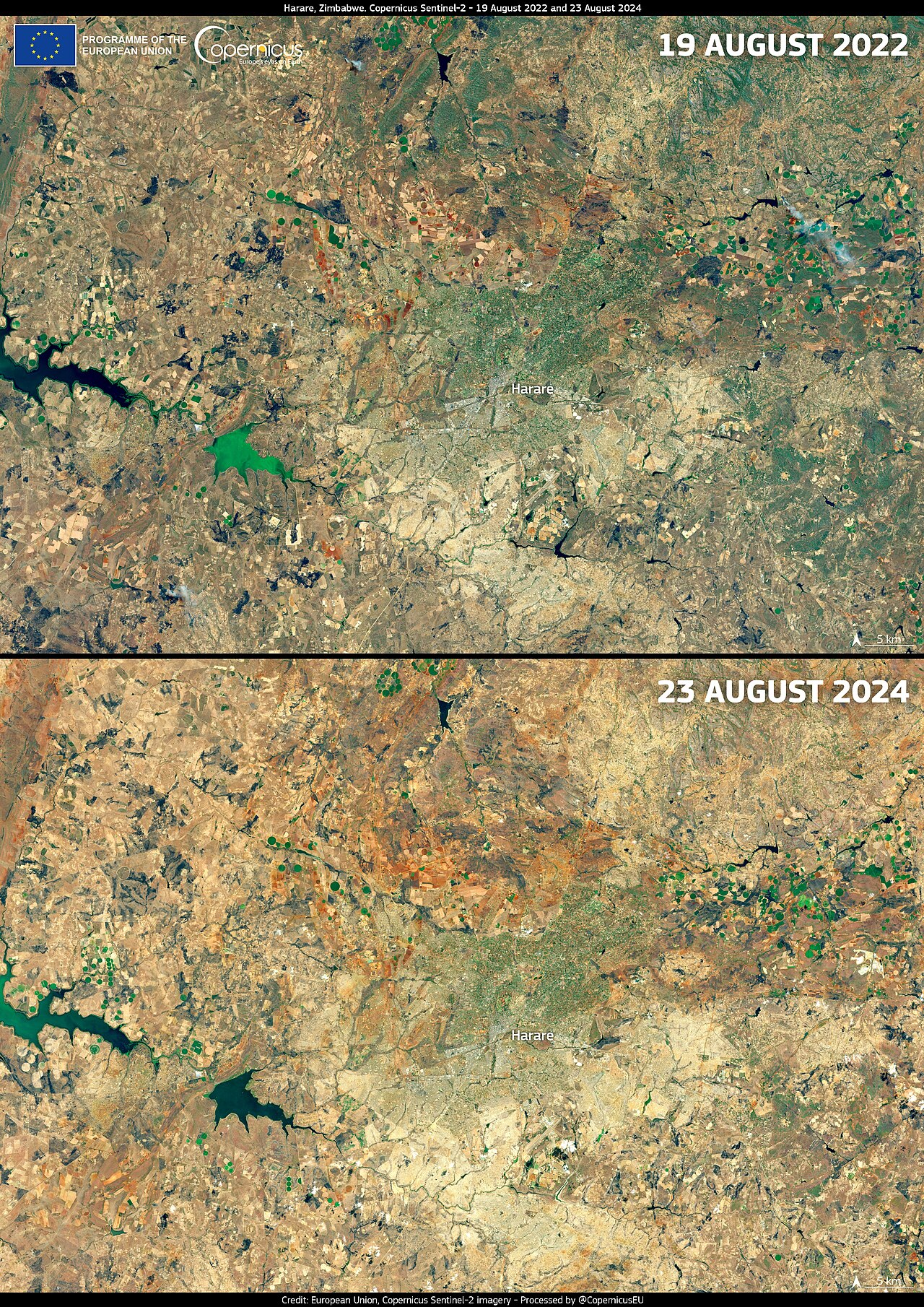
In southern Africa, Botswana, Namibia, South Africa, Zambia and Zimbabwe face a probability above 50% of agricultural drought between October 2026 and March 2027, threatening maize, pasture and water. Rice-growing regions of South and Southeast Asia are also exposed: the 2015-16 El Niño cut regional rice production by 15 million tonnes, with the Philippines down 11%. Cotton, soybean and wheat could also suffer from shifting rainfall. Citing World Food Programme estimates, the report warns that an additional 49 million people could face acute food insecurity by the end of 2027.
IFAD's modelling of individual small farms finds that insurance and other financial measures alone could reduce farm-income losses by 9.8%, while combining support for inputs, market access and finance could reduce them by 18.7%.
"Resilience is not built by investing in single interventions, but by connecting investments in inputs, markets and finance so that gains in one area are not lost in another," said IFAD President Alvaro Lario. He said IFAD projects combining these approaches have raised incomes by more than 40%.
Türkiye's Minister of Agriculture and Forestry, Ibrahim Yumakli, said farmers' resilience is decided by steps taken beforehand: access to water, affordable inputs, finance and insurance, and reliable links to markets. For rice farmers in South Asia, the report's warning on El Niño-hit rice output is the most direct signal to prepare water and inputs early.
Photo: Copernicus Sentinel-2 imagery, European Union / Wikimedia Commons (CC BY 4.0)
Source: Down To Earth


Comments
(0)