
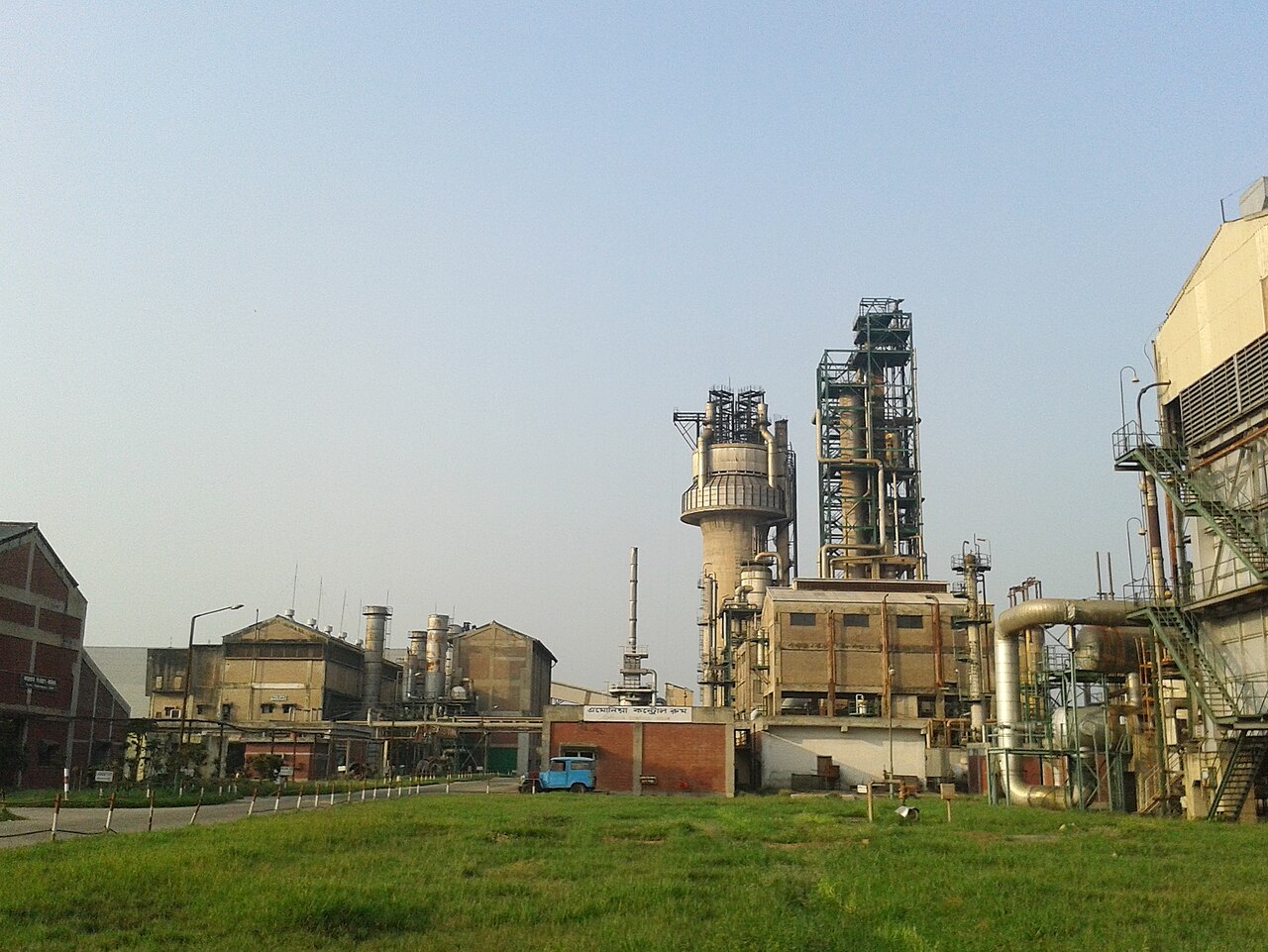
The World Bank is lending Bangladesh $300 million, about Tk 3,700 crore, to import fertiliser and keep it within reach of small farmers during the planting seasons. The money will buy 600,000 tonnes, of which 500,000 tonnes will be urea.
The agreement was signed on Monday, 5 October, at the Economic Relations Division (ERD) office in the Planning Commission at Sher-e-Bangla Nagar, Dhaka, by ERD Secretary Md Shahriar Kader Siddiky for the government and Jean Pesme, World Bank Division Director for Bangladesh and Bhutan.
The credit comes from the International Development Association (IDA), the World Bank Group's concessional arm, under the Emergency Support for Food Security project. The Bangladesh Agricultural Development Corporation (BADC) and the Bangladesh Chemical Industries Corporation (BCIC), under the Finance Division, will implement it between 1 July 2026 and 30 June 2027.
The fertiliser is for the current Aman season and the Boro season from October 2026 to April 2027. According to the World Bank, these two seasons give about 90 percent of the country's rice, so an unbroken fertiliser supply through them matters for food security.
The credit carries 1.5 percent annual interest. A commitment fee of up to 0.50 percent on undisbursed amounts has again been waived for Bangladesh this fiscal year. It is repayable over 25 years, including a five-year grace period.
In June, amid price and supply swings in world fertiliser and energy markets caused by conflict in the Middle East, the World Bank announced $1.1 billion in emergency support for Bangladesh. Of that, $300 million is going to the food security project and $713 million is due to go to a Contingent Emergency Response project.
Photo: Mar11 / Wikimedia Commons (CC BY-SA 4.0)
Source: samakal

Comments
(0)