
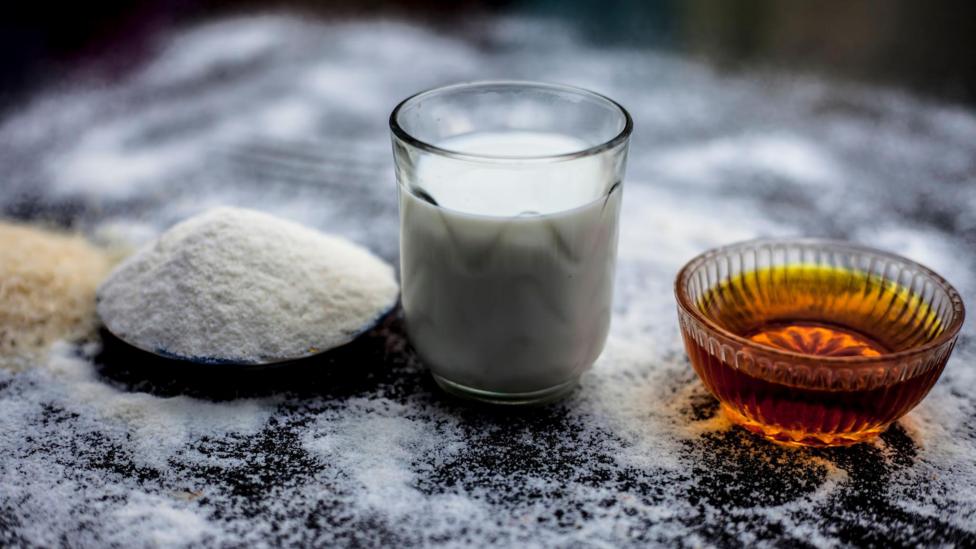
After microplastics were found in toothpaste, researchers have now detected them in high concentrations in milk, sugar and soybean oil as well. Finding tiny plastic particles in everyday foods has caused considerable public concern.
Researchers have put numbers to it. Through soybean oil alone an adult takes in an average of 17.65 plastic particles a day, or about 6,441 a year, along with various foods.
For children the position is worse. Researchers say a child takes in an average of 77.21 microplastic particles a day — about 28,180 a year.
Three routes bring the particles into food, according to the researchers. Plastic bottles, packets and sacks shed particles directly into the food; machinery, pipes and conveyor belts wearing down during processing create more; and environmental pollution breaks plastic waste into microplastics that mix into water, soil and air.
The source is enormous. Researchers say Bangladesh generates about 8,000 tonnes of plastic waste every day, more than half of which is not properly managed, and it is that waste which breaks down and enters the food chain.
The health effects are not settled. Scientists say detailed research has yet to establish how much microplastic affects which organ and in what way. But medical researchers believe particles smaller than 130 micrometres can pass directly into the blood, which could cause digestive complications, hormonal imbalance, inflammation and long-term cellular damage.
The remedy points back at packaging. Susan Gardner, director of the ecosystems division of the United Nations Environment Programme (UNEP), says products should be redesigned to contain less plastic and fewer plastic fibres, and so that they do not shed into the environment at the end of their use. She also recommends ending unnecessary plastic in the transport and storage of goods.
Source: BBC Bangla


Comments
(0)