
Unlike milk, fruit or cooked food, honey does not spoil easily; collected and stored properly, it stays fit to eat for a long time. Bangla Tribune's lifestyle desk explains why, citing Oregon State University, the US Food and Drug Administration (FDA) and the journal Frontiers in Nutrition.
The main reasons are honey's high sugar content and its very low available water. Bees bring nectar to the hive and fan it with their wings to evaporate the excess water, and enzymes from the bees change its chemistry, leaving honey thick and rich in sugar.
Honey is high in simple sugars such as glucose and fructose. But microbes need enough water as well as food to multiply; honey has little water, and most microbes cannot use what there is. So many bacteria, yeasts and moulds struggle to grow in it.
Honey is also usually acidic, thanks to gluconic acid and other organic acids made by bee enzymes, which hold back some microbes. When water is added, one enzyme produces hydrogen peroxide, which has an antimicrobial effect. Still, low water activity matters most; acidity or antimicrobial compounds alone do not make honey safe.
The idea that honey never goes off is wrong. If extra water or damp gets in, yeasts can grow and fermentation can start; a wet spoon or an open jar puts the quality at risk. Honey should always be kept in a clean, dry, airtight container.
Honey that crystallises is not necessarily spoiled; some of its sugars naturally form crystals. An odd smell, foam or signs of fermentation, though, are reasons for caution.
The most important warning: babies under one year old should not be given honey. Spores of the bacterium Clostridium botulinum in honey can grow in an infant's gut and cause serious illness.
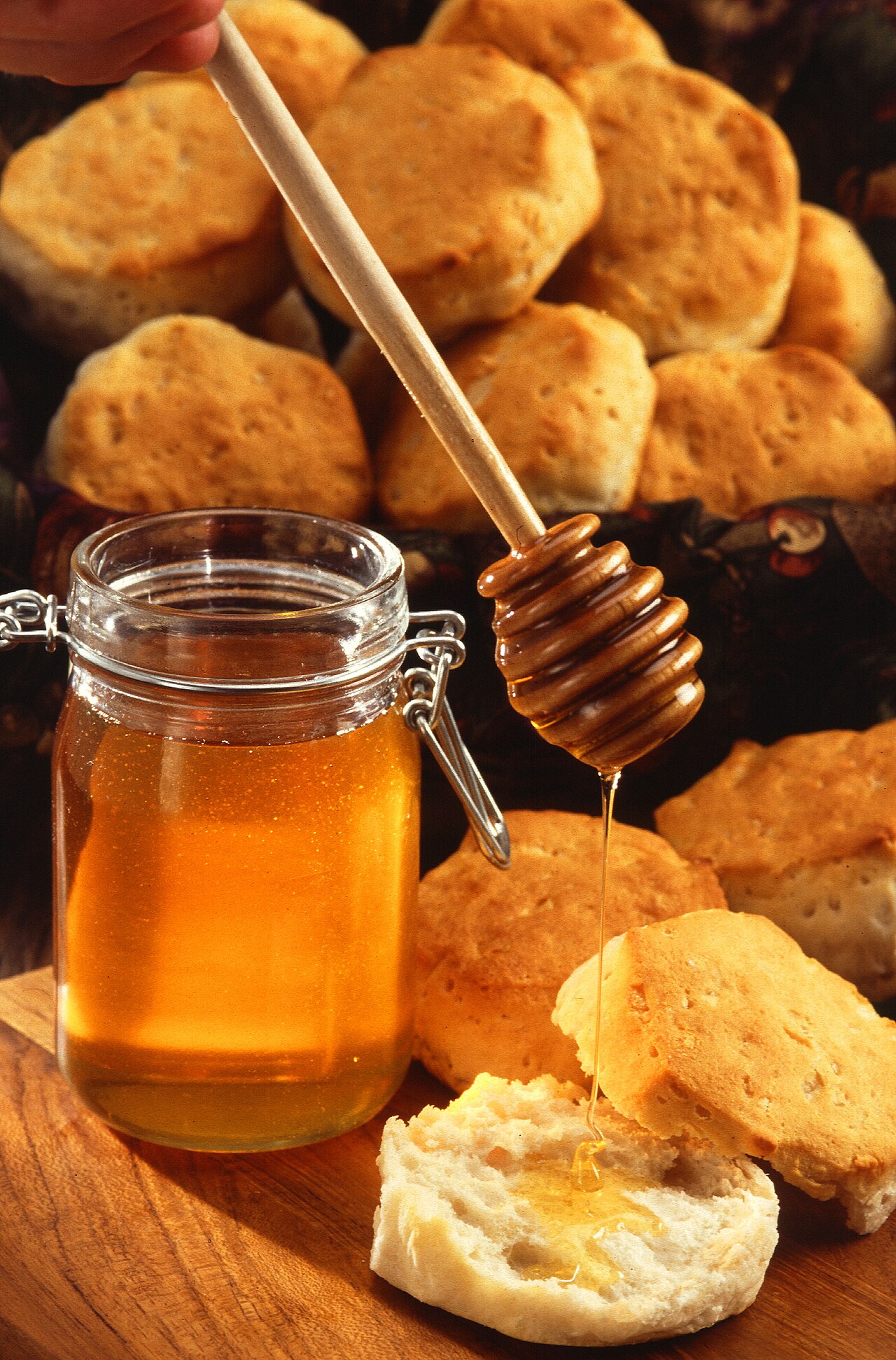
Photo: Scott Bauer, USDA ARS / Wikimedia Commons (public domain); honey running off a spoon.
Source: Bangla Tribune



Comments
(0)