
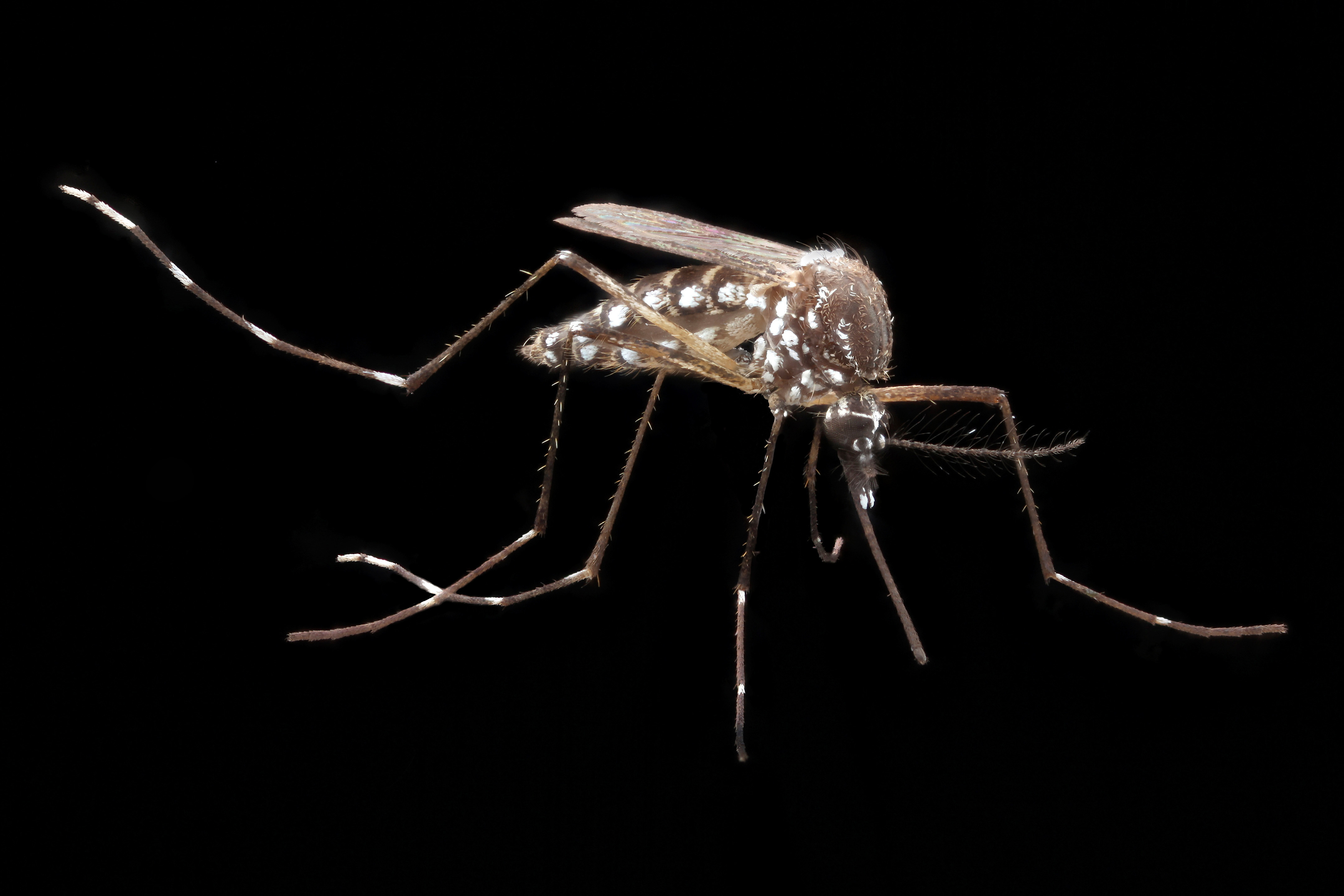
In July 2019, as dengue cases rose in Dhaka, a recipe for a homemade mosquito repellent cream spread across Bangladeshi news sites. It came from Rabishankar Maitri, a Bangladeshi writer and researcher living in France, and The Agro News carried it too. But there is no evidence that a homemade mix like this reliably protects against Aedes mosquito bites or dengue. Here is what the World Health Organization (WHO), the US Centers for Disease Control and Prevention (CDC) and published research say.
The recipe that went round
Maitri's method was to grate candle wax, mix it with neem oil, glycerine and water, melt it in a hot water bath and then stir in a few drops of lemon juice and perfume to make a cream. He said mosquitoes would not come near anyone who rubbed it on their hands and feet. The same piece suggested rubbing on neem leaf paste or neem soap and scattering neem leaves in the corners of rooms.
No study could be found that has tested this particular mixture on mosquitoes, so there is no way to say whether, or for how long, it protects. For that reason the quantities are not repeated here.
What research says about neem and plant-based repellents
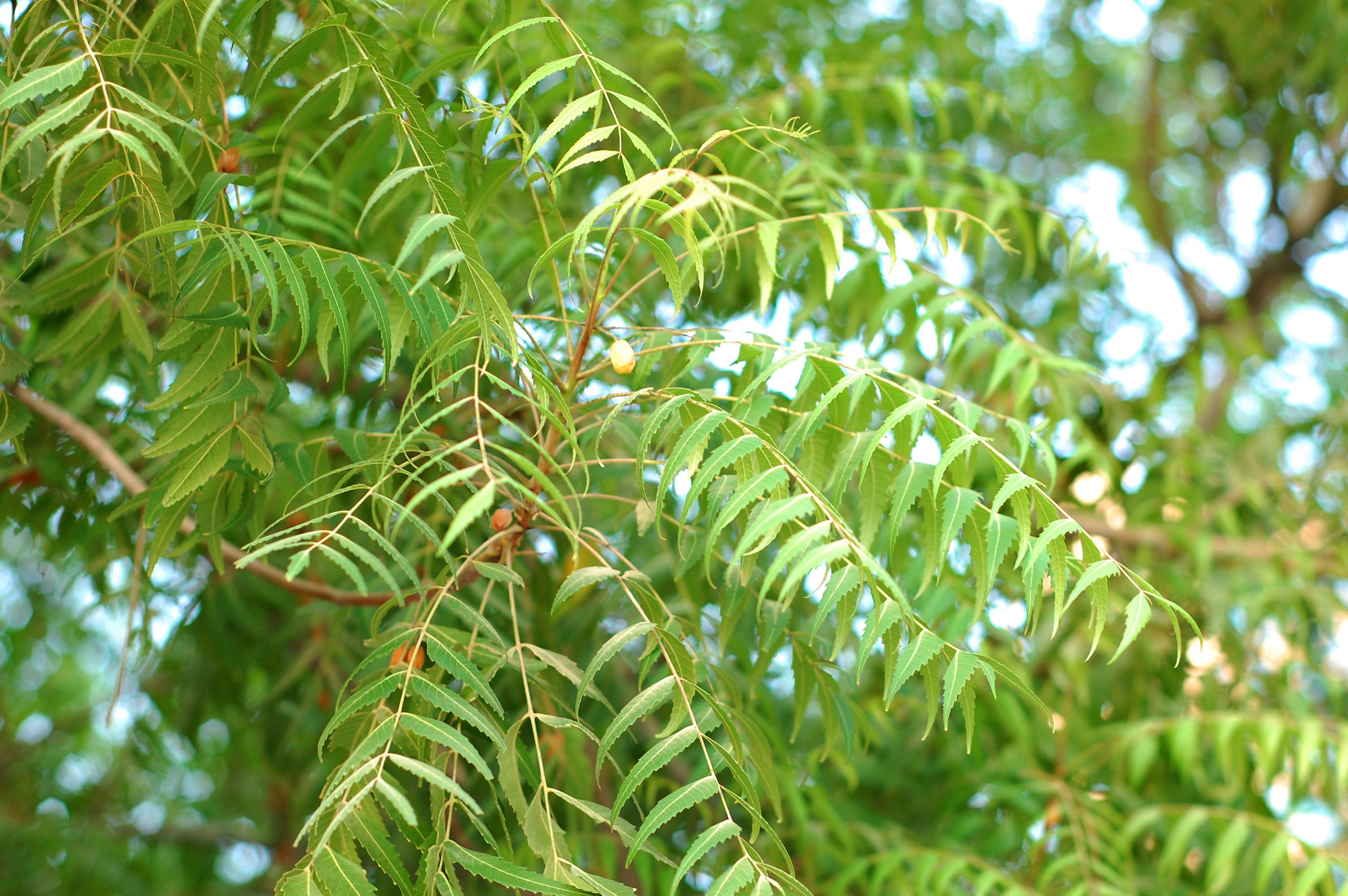
A 2011 review in Malaria Journal by Marta Maia and Sarah Moore of the London School of Hygiene and Tropical Medicine found the results for neem mixed: several field studies in India reported very high efficacy, while other researchers found only intermediate repellency. Because reliable studies are scarce, neem oil is not recommended as an effective repellent for people in disease-endemic areas, and the US Environmental Protection Agency (EPA) has not approved neem as a topical insect repellent. The review adds that plant ingredients tend to evaporate quickly, leaving the user unprotected soon after application.
A comparative study by Mark Fradin and Jonathan Day in the New England Journal of Medicine in 2002 found that DEET-based products gave complete protection for the longest time; one with 23.8 percent DEET protected for an average of 301.5 minutes. Apart from a soybean-oil-based product, the other botanical repellents tested protected for less than 20 minutes on average. The authors concluded that such products cannot be relied on for prolonged protection where mosquito-borne diseases are a substantial threat.
What health agencies advise: registered repellents and no breeding sites
WHO says the mosquitoes that spread dengue are active during the day. It advises repellents containing DEET, picaridin or IR3535, clothes that cover as much of the body as possible, mosquito nets and window screens. The CDC says the effectiveness of repellents not registered with the EPA, including some natural repellents, is not known. It also advises:
- If you use sunscreen, apply it first and the insect repellent second.
- Do not put repellent on a child's hands, eyes, mouth, cuts or irritated skin.
- Do not use products containing oil of lemon eucalyptus (OLE) or PMD on children under three.
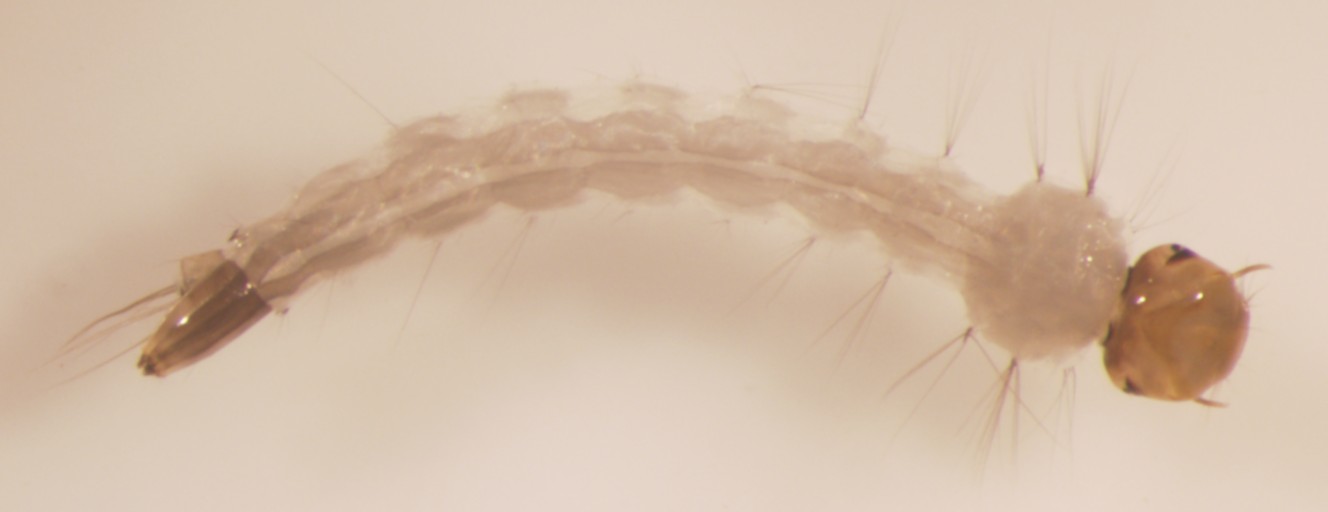
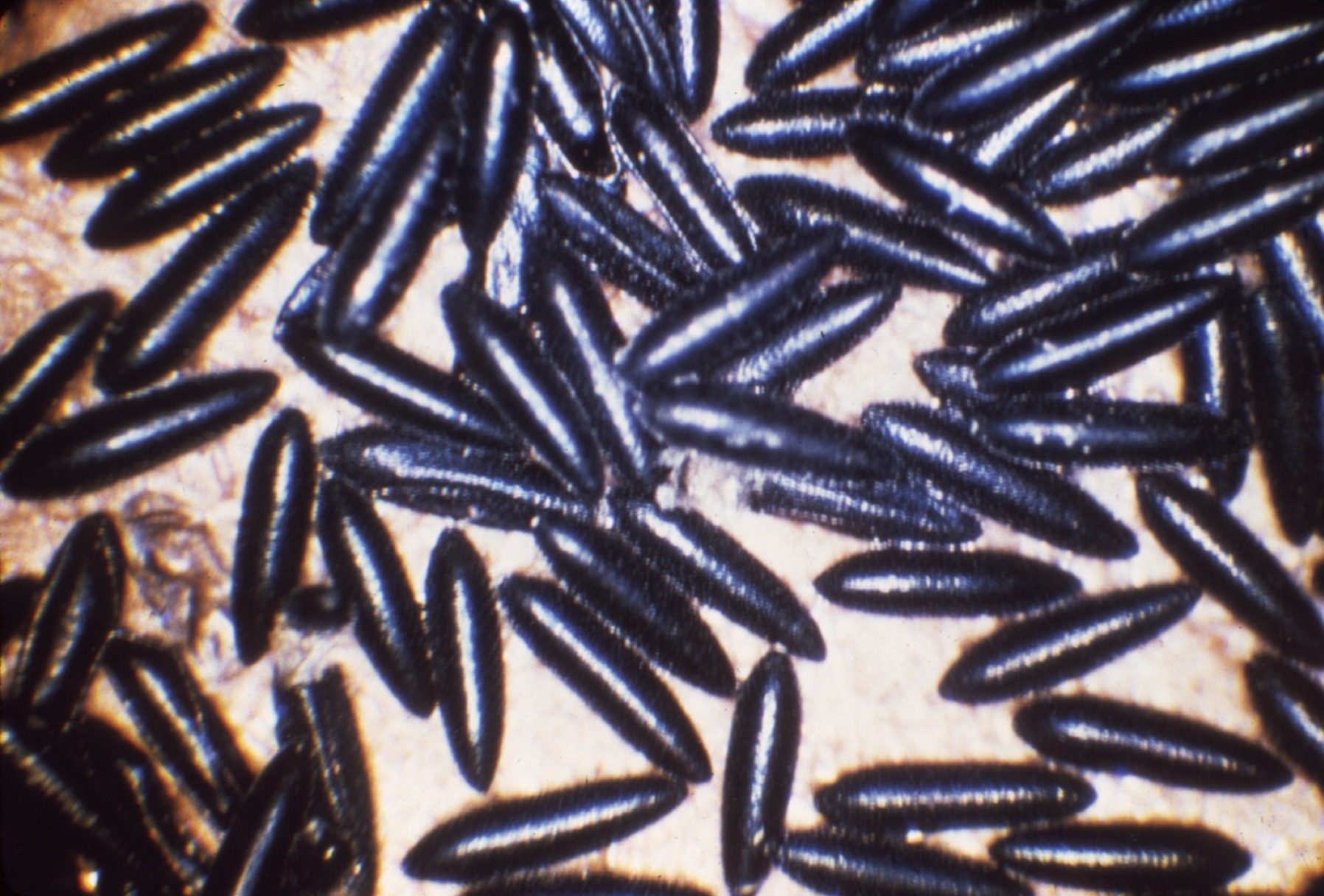
Aedes mosquitoes lay their eggs and breed in water left standing around homes. WHO advises covering, emptying and cleaning household water containers every week. The CDC advises emptying and scrubbing, turning over, covering or throwing out anything that holds water, such as tyres, buckets, flowerpot saucers, toys and bins, once a week.
Do not wait if you have a fever
According to WHO, dengue symptoms include high fever, severe headache, pain behind the eyes, muscle and joint pain, nausea, vomiting and rash. It advises paracetamol for pain and avoiding medicines such as ibuprofen and aspirin, which raise the risk of bleeding. Severe abdominal pain, persistent vomiting, bleeding gums or nose, blood in vomit or stool, rapid breathing or restlessness are warning signs of severe dengue. Anyone with a fever should see a doctor promptly rather than rely on home remedies.
Photo: Graham Snodgrass, Army Medicine / Wikimedia Commons (CC BY 2.0)
Sources: The Agro News, OurIslam24 (30 July 2019), World Health Organization (Dengue and severe dengue), US Centers for Disease Control and Prevention (Preventing mosquito bites), Maia and Moore, Malaria Journal (2011), Fradin and Day, New England Journal of Medicine (2002)


Comments
(0)