
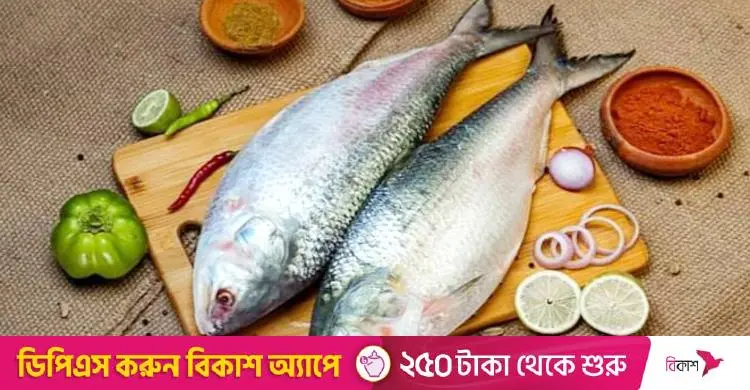
Hilsa is like a poem. How much talk there is about it in the Bengali lands. Hilsa is now starting to draw international attention, while at home its price is rising.
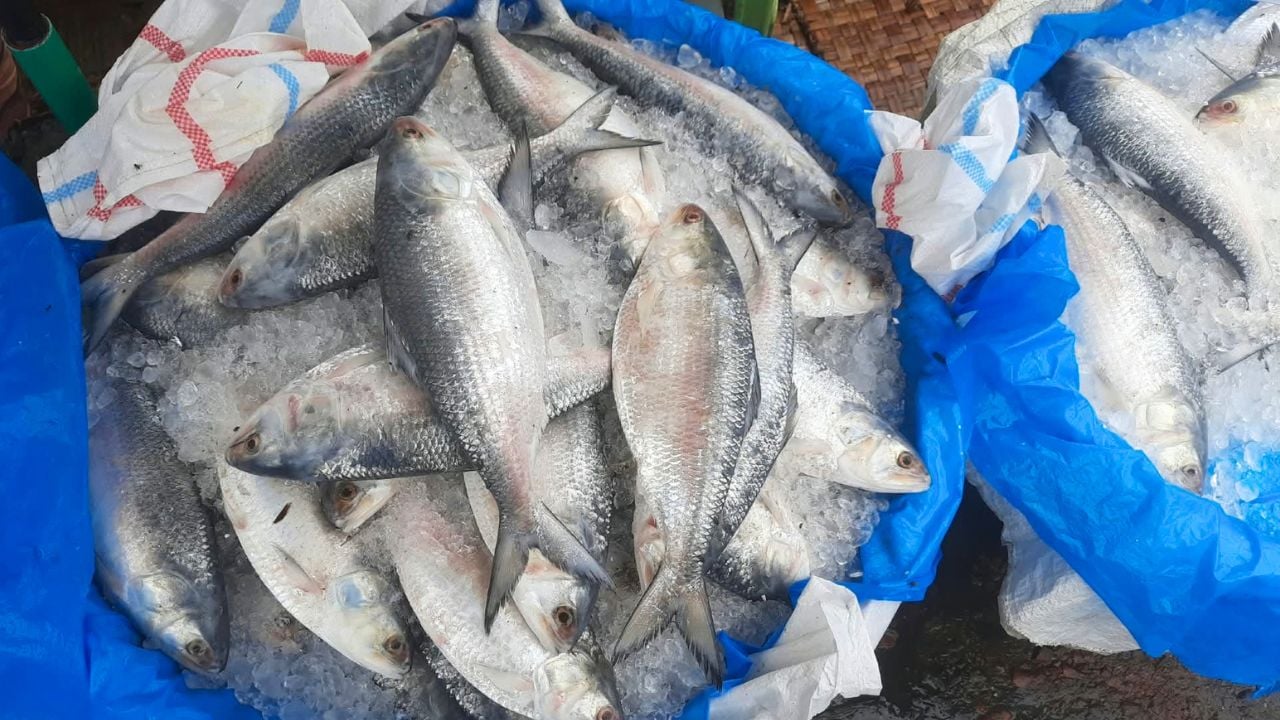
The price! Just hearing it is enough to take many people's breath away. In markets these days people say hilsa is dearer than gold. As soon as a fish reaches a kilogram, it sells for around two thousand taka in the capital.
However high the price, Bengalis cannot be kept away from hilsa. Fried or in curry, mashed or dried, what is not made from it? Steamed hilsa and hilsa in mustard have become Bengalis' own brand. There is no counting how many hilsa dishes have come out of Bengali kitchens: steamed, boiled, wrapped in banana leaf, grilled, with mustard, dried as shutki. At special occasions, people do not hold back from serving hilsa dopeyaja, hilsa polao, hilsa paturi or crispy hilsa to guests.
Three sizes, three classes
Blending modernity and tradition, hilsa carries many stories that touch our hearts. It has its own aroma, which takes Bengalis back to the past or to some special time. But the past is the past; the present is hard, because hilsa is now almost out of reach. The big hilsa in the market are beyond even the dreams of the poor. They go to the plates of the rich, and often go abroad without passport or visa. They weigh a little more than one and a half kilograms. The medium ones, from 800 grams to 1kg 200g or a bit smaller, keep the middle class company, though with difficulty. Those of limited means are stuck with jatka, fish the size of a palm or a little bigger, which sell for Tk 400 to 700 depending on small differences in size. But how do these three sizes taste? Which is tastiest?
What the cooks say
Cookery expert Anisa Akter Nupur said all dishes made with medium-sized hilsa are delicious. Hilsa is essentially a saltwater fish, so river hilsa and sea hilsa taste different. "The tastiest in Bangladesh is Padma hilsa. It is short in length and broad, meaning short with a fat belly. Its body is a bright silver and it is white inside when cut. When Padma hilsa is cooked, the aroma fills the whole house. Hilsa with more oil and without roe has an incomparable taste."
Another cookery expert, Farzana Baten, agreed. "Hilsa without roe is better, because before the roe comes into the belly the fish has more fat, which makes it tasty. After a roe-bearing hilsa releases its eggs, the belly becomes much thinner and the fat drops, so the taste falls somewhat. But hilsa returning to the sea some time after spawning become tasty again."
Farzana Baten added: "Hilsa caught in the middle of the monsoon, during the fine drizzle called ilshe-guri, taste better too. Hilsa weighing one to one and a quarter kilograms taste best. And for fried hilsa or hilsa polao, bigger fish are better."
Rich in nutrients
Hilsa is not only tasty but also highly nutritious. It contains omega-3 fatty acids, which the body needs. These help reduce the risk of heart disease, improve brain function and help boost memory. Hilsa also provides protein, vitamins and minerals. The vitamin C and collagen in hilsa help keep skin healthy, and hilsa is even a good source of vitamin D, which is essential for bones and teeth.
Source: Jagonews24. First published in Bengali on The Agro News.

Comments
(0)