
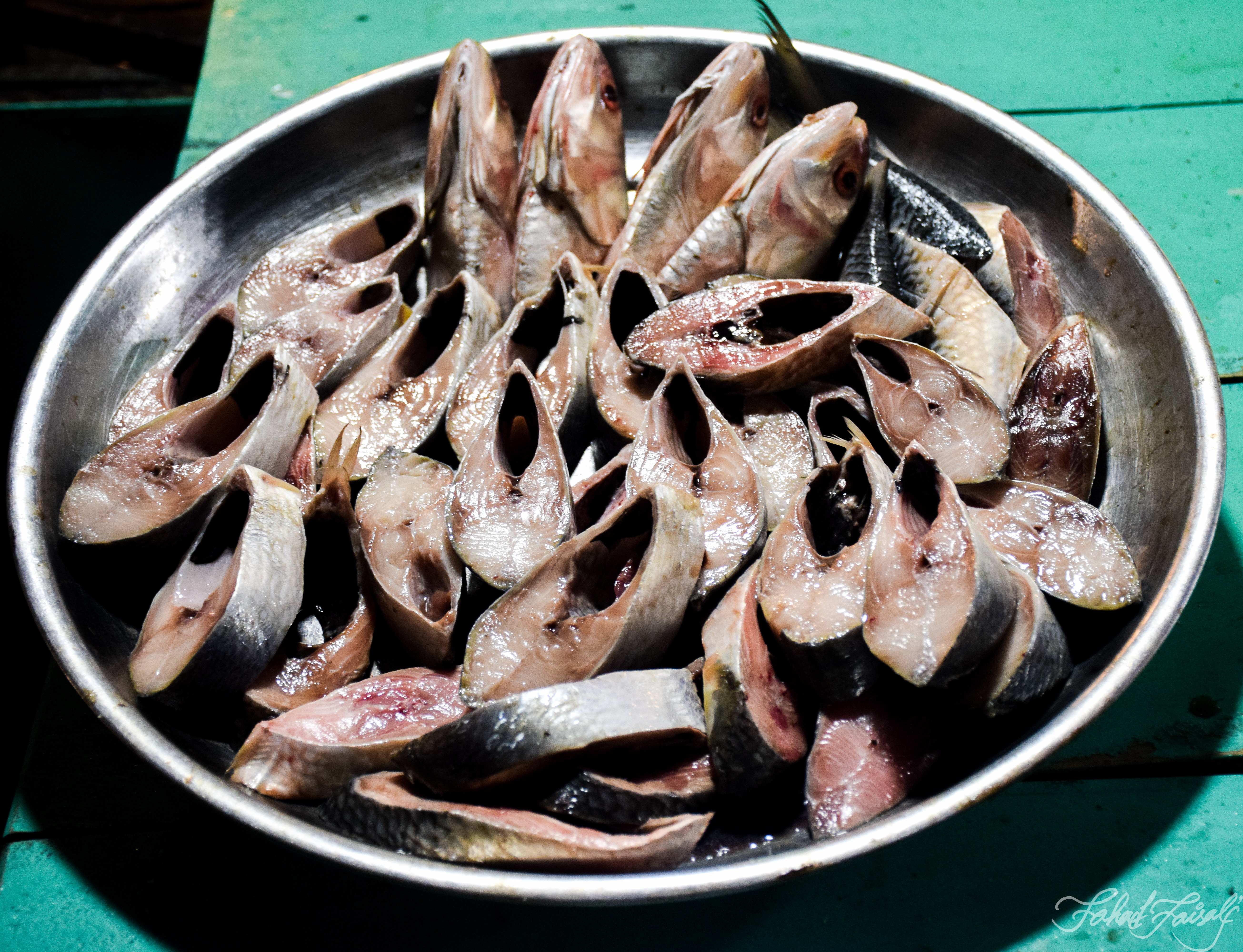
The monsoon brings hilsa to Bengali tables in many forms, but enjoying the fish does not always need elaborate cooking. On 18 July 2026 the lifestyle desk of Jagonews24 published a recipe for one of the simplest: ilish macher kacha makha. Raw hilsa pieces are rubbed by hand with chopped onion, ground spices and mustard oil, then cooked covered in a karahi (wok) and finished with green chillies and roasted cumin. The dish is quick to make and is eaten with hot rice.
Hilsa, the national fish of Bangladesh
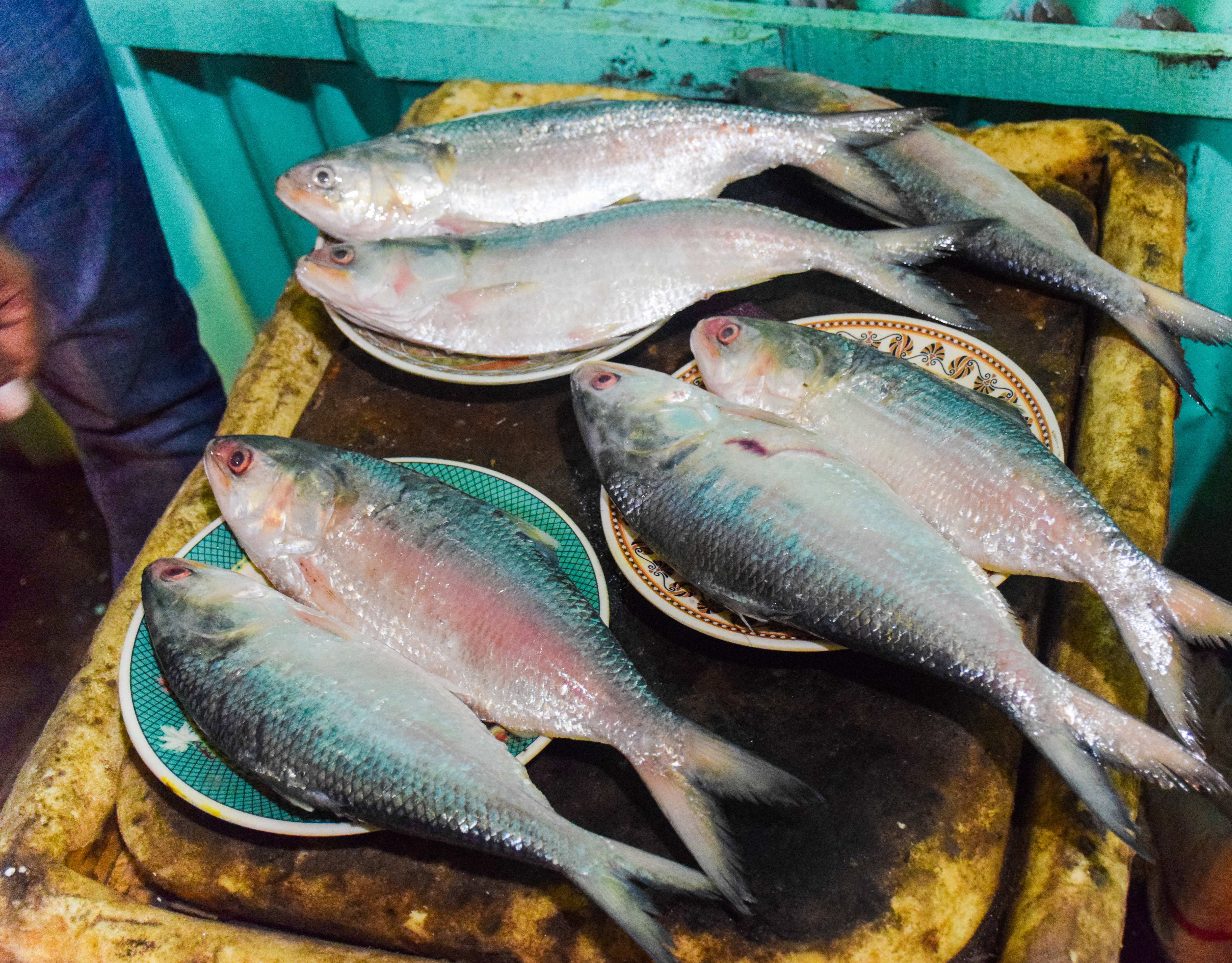
Hilsa, Tenualosa ilisha, belongs to the herring family Clupeidae and is the national fish of Bangladesh. On 6 August 2017 the Department of Patents, Designs and Trademarks declared it a Geographical Indication of Bangladesh. The fish moves up from the sea into rivers to spawn, a migration that takes place during the southwest monsoon from June to September, which is why hilsa is most plentiful in the markets in the rainy season.
At a press conference for Jatka Conservation Week, as reported by The Daily Star in April 2026, the fisheries minister said that more than 80 percent of the world's hilsa comes from the rivers, estuaries and coastal waters of Bangladesh. Hilsa makes up about 9.79 percent of the country's total fish production, and about 600,000 people are directly involved in catching it. To protect brood fish, hilsa fishing is halted during the peak spawning season; a joint project of the Department of Fisheries and WorldFish contributed to extending that ban from 11 to 22 days.
Ingredients
The ingredients as given in the Jagonews24 recipe:
- Hilsa, 10 pieces (about 800 g to 1 kg)
- Chopped onion, 3 cups
- Green chillies, 10, sliced
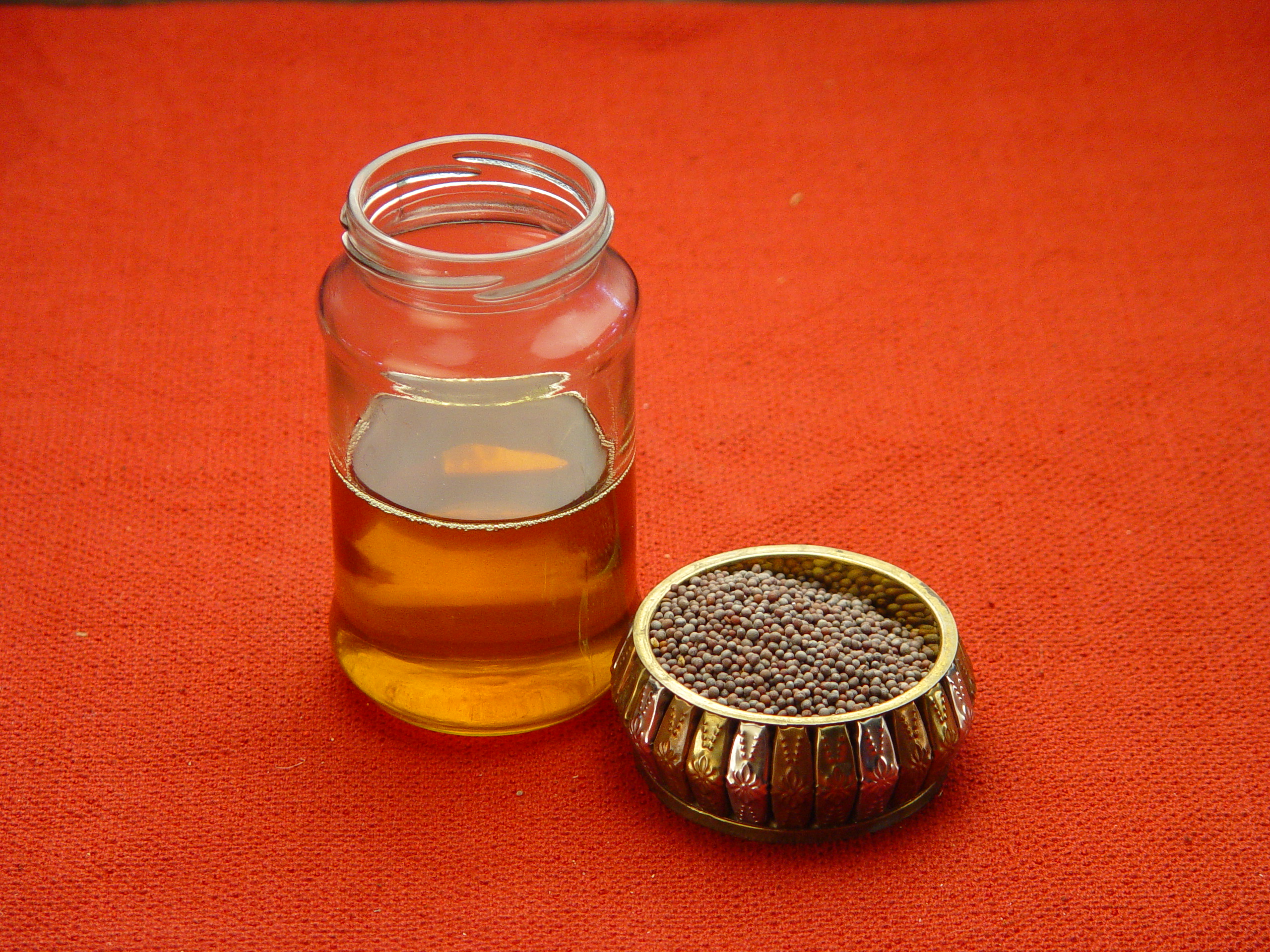
- Mustard oil, 6 tablespoons
- Salt to taste
- Turmeric powder, 1 teaspoon
- Chilli powder, 2 teaspoons (to taste)
- Cumin powder, 1 teaspoon
- Roasted cumin powder, 1 teaspoon
Method
- Wash the fish well and drain off the water. Put it in a bowl with the chopped onion, half a teaspoon each of turmeric, chilli and cumin powder, and salt to taste. With clean hands, gently rub the spices into the fish.
- Add two tablespoons of mustard oil and mix well once more.
- Set a karahi on the stove and pour in the rest of the mustard oil. When the oil is hot, add half a teaspoon of chilli powder. Keep the heat low to medium at this stage, because chilli powder can burn on high heat.
- Carefully add the spiced fish to the pan. Pour a little water into the bowl the fish was marinated in, rinse out the spices left in it and add that water to the karahi.
- Gently swirl the karahi to mix the spices with the fish. Cover and cook on medium heat for 8 to 9 minutes.
- Remove the lid, move the pan carefully and turn the pieces over. Scatter over the sliced green chillies, lower the heat and cook for about 5 more minutes.
- Finally sprinkle over the roasted cumin powder, take the pan off the heat and leave it covered for 3 minutes. Serve with hot rice.
Mustard oil and hilsa
Hilsa and mustard are an old pairing in Bengali cooking: shorshe ilish, hilsa cooked with mustard oil or ground mustard seed, is a popular dish on both sides of the border. Because hilsa is a naturally oily fish, it can be cooked in very little oil. In kacha makha the fish is not fried first; the spiced raw pieces go straight into hot oil and cook covered, so the onion, green chilli and mustard oil flavours blend with the fish.
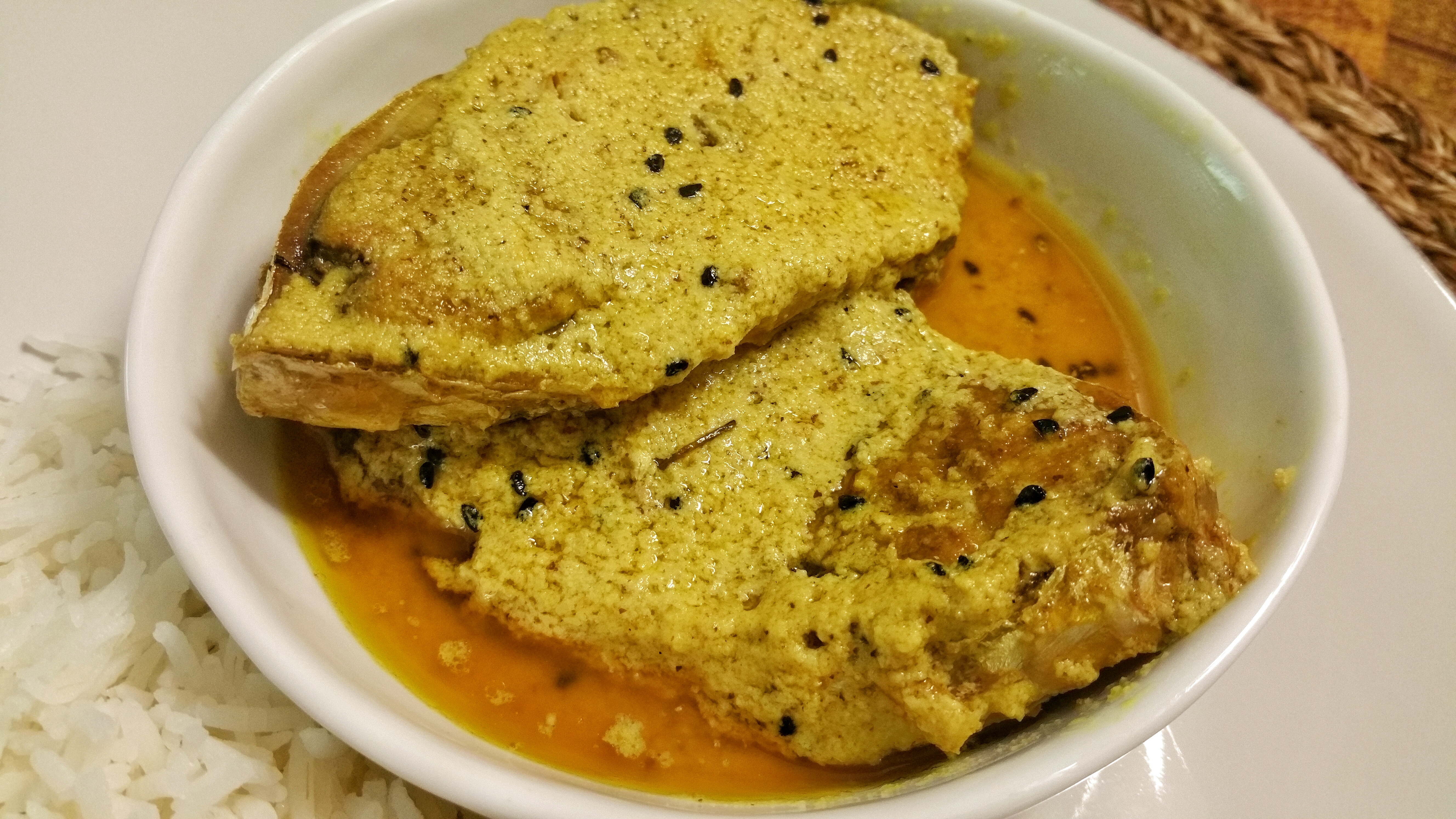
Photo: Fahad Faisal / Wikimedia Commons (CC BY-SA 4.0)
Sources: Jagonews24, The Daily Star, WorldFish, Wikipedia

Comments
(0)