
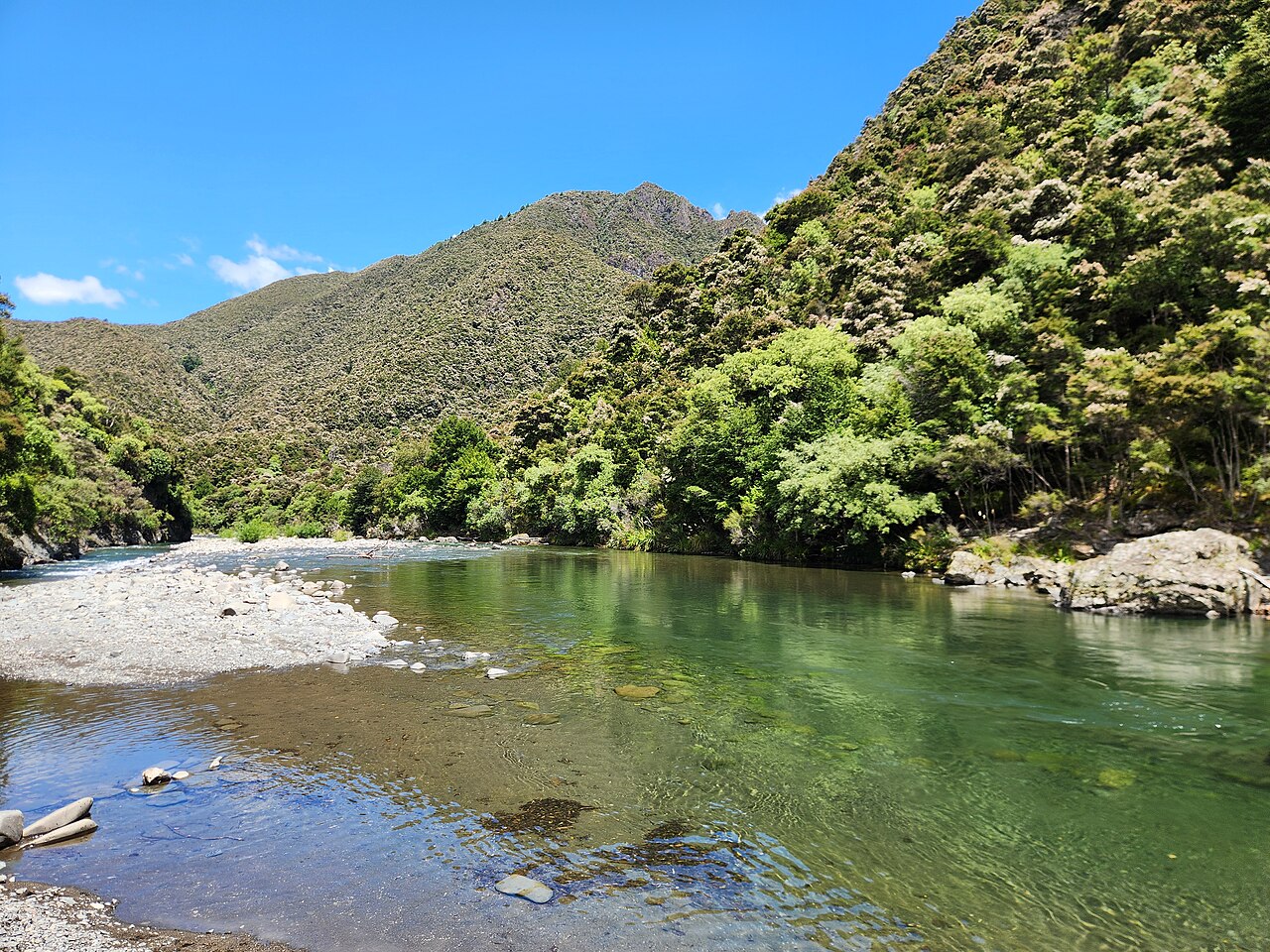
A proposed NZ$225 million water storage dam at Whanawhana could ease water shortages on New Zealand's Heretaunga Plains in Hawke's Bay, where the gap between future supply and demand for freshwater is widening, Farmers Weekly NZ reports. The case is made by Xan Harding, a grape grower at Bridge Pa and chair of the Heretaunga Water Storage Project, who says water is the lifeblood of the region's economy and the dam must deliver security at the lowest possible price while still stacking up commercially.
The plains already have 18,000 hectares under irrigation and 3,000 hectares of new irrigation that could be enabled, plus land with too little water allocated to it. In 2016, during its TANK planning exercise, the Hawke's Bay Regional Council found that if every user took their full paper allocation the Ngaruroro River could run dry, and declared the plains fully allocated, if not over-allocated. "We have been running 10 years now with constrained water," Harding said, a deterrent to newcomers that is "eating away at economic activity".
The limits bite hardest on higher-value crops. Harding said the 4,000 hectares of irrigated grapes on the plains and lowland hills have about a third to a half of the water other intensive land uses need. For many grape growers, he said, the rational course is to run the business down and not re-invest, while more water on the lighter soils could open other vegetable production now that frozen process vegetables are no longer an option after the pullback of Wattie's and McCain.
The proposed dam would be a 58-metre-high rockfill structure storing 27 million cubic metres, capturing surplus winter flows for summer use and releasing water into the main stem of the Ngaruroro River, benefiting both the river and groundwater, with a proposed pipeline to feed the Karamu. Five private landowners are on board with investigating it. After the council spent about NZ$30 million on the Ruataniwha scheme without building a dam, it handed this project to water users: since December 2025 it has been owned by Heretaunga Water Storage Limited, whose shareholders are mana whenua authorities, irrigators and industrial water users, and the Napier and Hastings city councils.
The project is in its feasibility stage: a preferred site has been identified, and design, costs and commercial feasibility are being refined ahead of resource consenting. Harding said it is funded through consenting, expects to finish feasibility in the first quarter of next year and is applying for fast-track approval. "We know that we can build the dam, technically, and we have a consenting pathway," he said.
Photo: ShakyIsles / Wikimedia Commons (CC BY-SA 4.0)
Source: Farmers Weekly NZ
Comments
(0)