
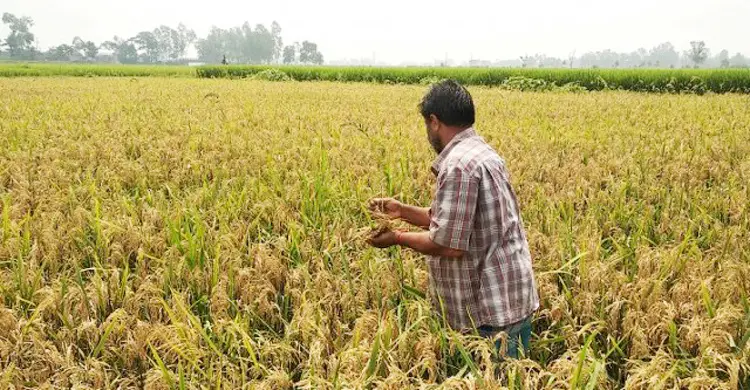
Unbearable heat, drought, excessive rain and storms all cause chaff in paddy. Normally 15–20 percent of rice grains are chaff. A temperature of 35 degrees Celsius or more is unbearable for rice, and if it persists for 1–2 hours during flowering, excessive chaff forms.
The Agricultural Information Service (AIS) has given the following advice on what to do when paddy turns to chaff.
- Always keep water standing in the field. (Most important is holding water in the field to bring the temperature down.)
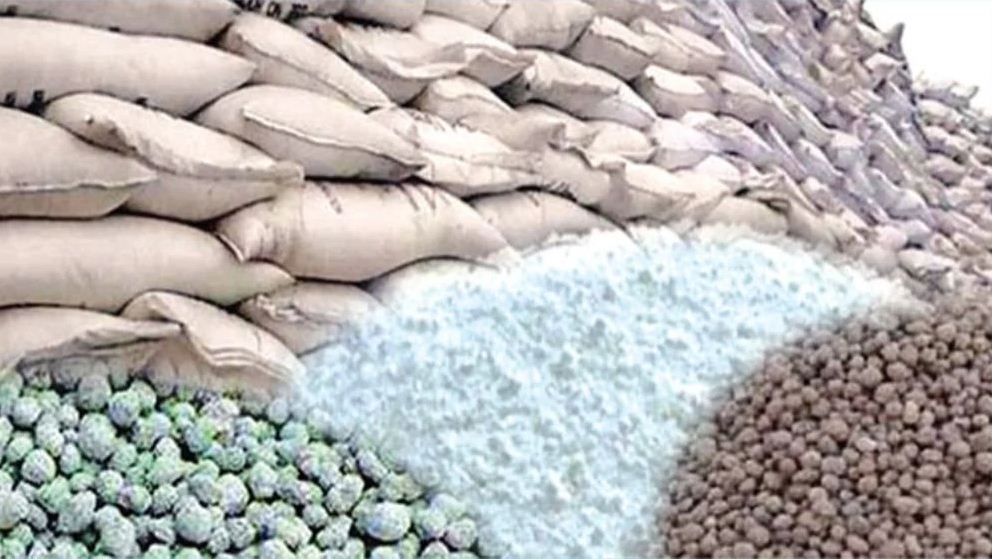
- Spray MOP fertiliser mixed at 100 g in 10 litres of water at the rate of 5 decimals, or top-dress granular MOP (potash) at 5 kg per bigha. (Apply potash only if really needed; otherwise it is not necessary.)
- If spraying is needed while the paddy is flowering, spray pesticides only in the late afternoon. Rice pollination usually takes place between 7am and 11am, and spraying then disrupts pollination and may cause chaff. Pesticides must not be sprayed haphazardly.
Source: Jagonews24. First published in Bengali on The Agro News.


Comments
(0)