
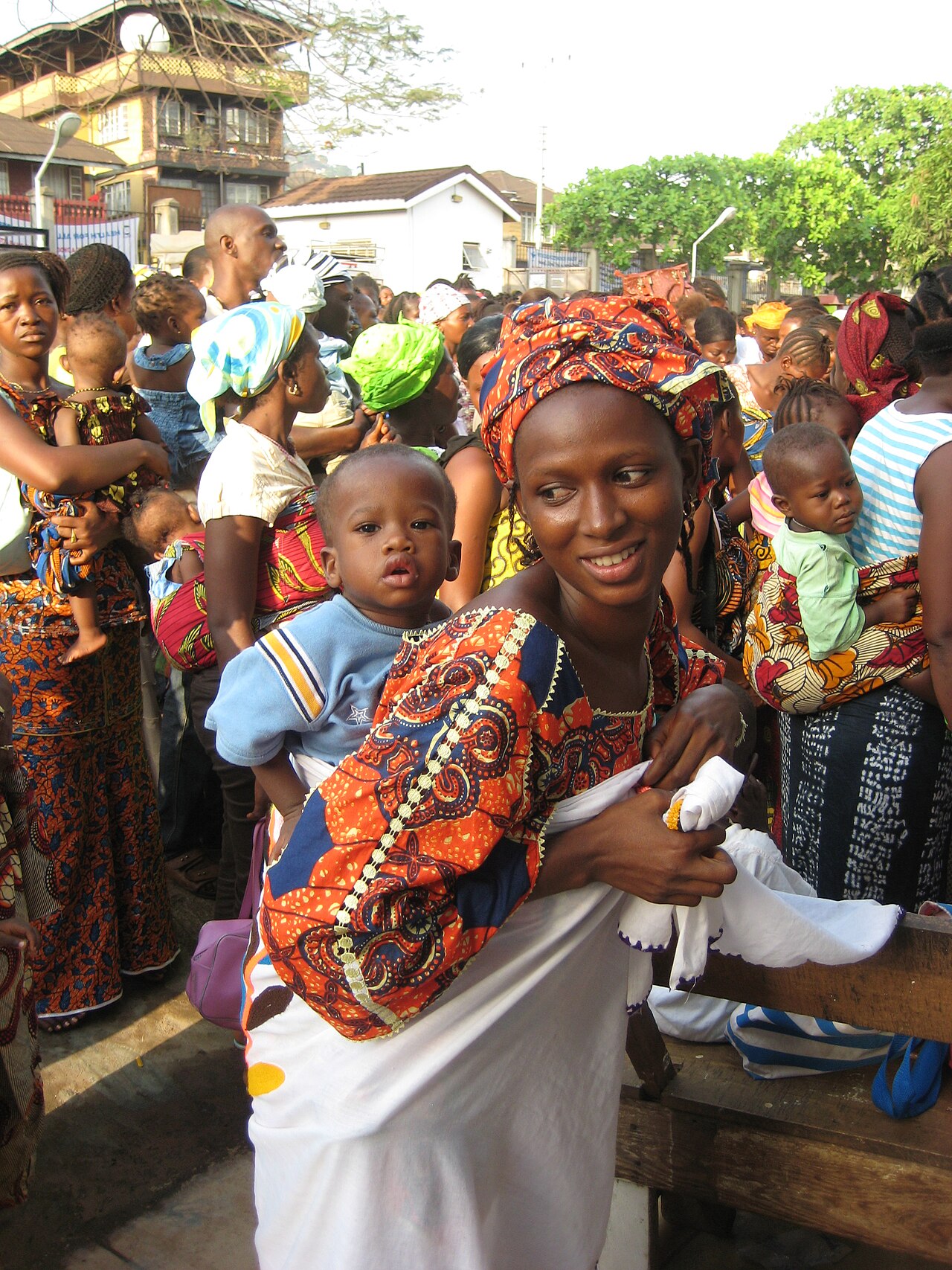
Extreme heat is already harming pregnant women and newborns, a new survey of health workers suggests. Nearly three in four maternal healthcare professionals in five countries say they have seen heat-related cases and complications rise over the past five years, Down To Earth reports.
The survey, commissioned by the global health foundation Wellcome, questioned 1,000 healthcare professionals online between 17 September and 1 October 2026, 200 each in India, Australia, Brazil, the United Kingdom and Zimbabwe. About 73% of maternal-care respondents had seen more heat-related cases or complications in pregnant women, and 76% more cases affecting foetal or newborn health. Almost all had personally cared for a pregnant woman (98%) or a baby (99%) they believed had been harmed by extreme heat.
They described specific problems: 23% had seen pregnancy complications needing extra monitoring or treatment, 34% low birth weight or restricted growth, 36% dehydration and heat illness in newborns, and 33% difficulties with feeding, breathing and temperature control. Heat was also getting in the way of care, with 27% saying high temperatures made it harder for families to reach services and 29% reporting more emergency presentations. Some 81% expect the threat to grow over the next five years without further action.
The findings fit a growing body of research. Studies cited by Wellcome found the odds of preterm birth rise by about 5% for every 1 degree Celsius of added heat exposure, and that heatwave exposure was linked to a 25% higher risk of obstetric complications.
"Extreme heat, fuelled by climate change is impacting our way of life and our health, and yet many countries are not prepared," said Madeleine Thomson, head of climate impacts and adaptation at Wellcome, adding that early warning systems and cooler buildings exist but often fail to reach those most at risk. UN Climate Change Executive Secretary Simon Stiell called pregnancy and birth "a new faultline in the global climate crisis".
The results were released on 5 October, the first day of the pre-COP ministerial meeting in Fiji ahead of COP31 on 9-20 November, in a year when 33 countries recorded their hottest July. Wellcome wants pregnant women, new mothers and babies named in national climate and health plans, the first World Health Organization clinical guidance on heat, pregnancy and the postpartum period, and maternal-health monitoring that tracks heat exposure.
Reported by Shagun for Down To Earth.
Photo: Robert Yates / Department for International Development / Wikimedia Commons (CC BY 2.0)
Source: Down To Earth


Comments
(0)