
Mycetoma, also called Madura foot, is a neglected tropical disease that most often strikes agricultural workers and herders. Bacteria or fungi living in soil and on thorny plants enter the tissue under the skin through a prick or a cut, and the infection slowly destroys tissue and bone. India has recorded it since 1842 and the World Health Organization (WHO) declared it a neglected tropical disease in 2016, yet, SciDev.Net reports, the country has no national surveillance for it.
In Khetasar village in Rajasthan, 65-year-old Baburam Bishnoi has tilled his pearl millet (bajra) and wheat fields barefoot for decades. What began as small granules on his right foot became deep swelling and discharge that worsened every rainy season. A rural pharmacist gave him generic pills; he kept working for months before he reached MDM Hospital in Jodhpur, where he was diagnosed with eumycetoma, the fungal form, and admitted for treatment.
There are two forms. Fungi cause eumycetoma, which is hard to treat because antifungal drugs penetrate the dense masses of fungal grains poorly; bacteria cause actinomycetoma, usually curable with long courses of combined antibiotics if found early. Of more than 80 organisms known to cause the disease, 69 are fungi, and the lower limb is affected in 77% of cases. Advanced disease leads to repeated infection, amputation and sometimes death.
Climate appears to shape where each form occurs. Fungal cases dominate in arid areas such as western Rajasthan and Sudan, bacterial cases in humid ones. As Indira Gandhi canal irrigation turned parts of the Thar desert greener, local researchers found the ratio of fungal to bacterial cases fell from 4:1 in 2001 to under 2:1 in 2005, a hospital-based result that Arunaloke Chakrabarti, former president of the International Society for Human and Animal Mycology, called inconclusive. Yogi Raj Joshi of S.N. Medical College, Jodhpur, which reports two to three cases a month, says the balance there has moved to about 3:2 from 3:1 before 2010, though only a field survey can confirm why.
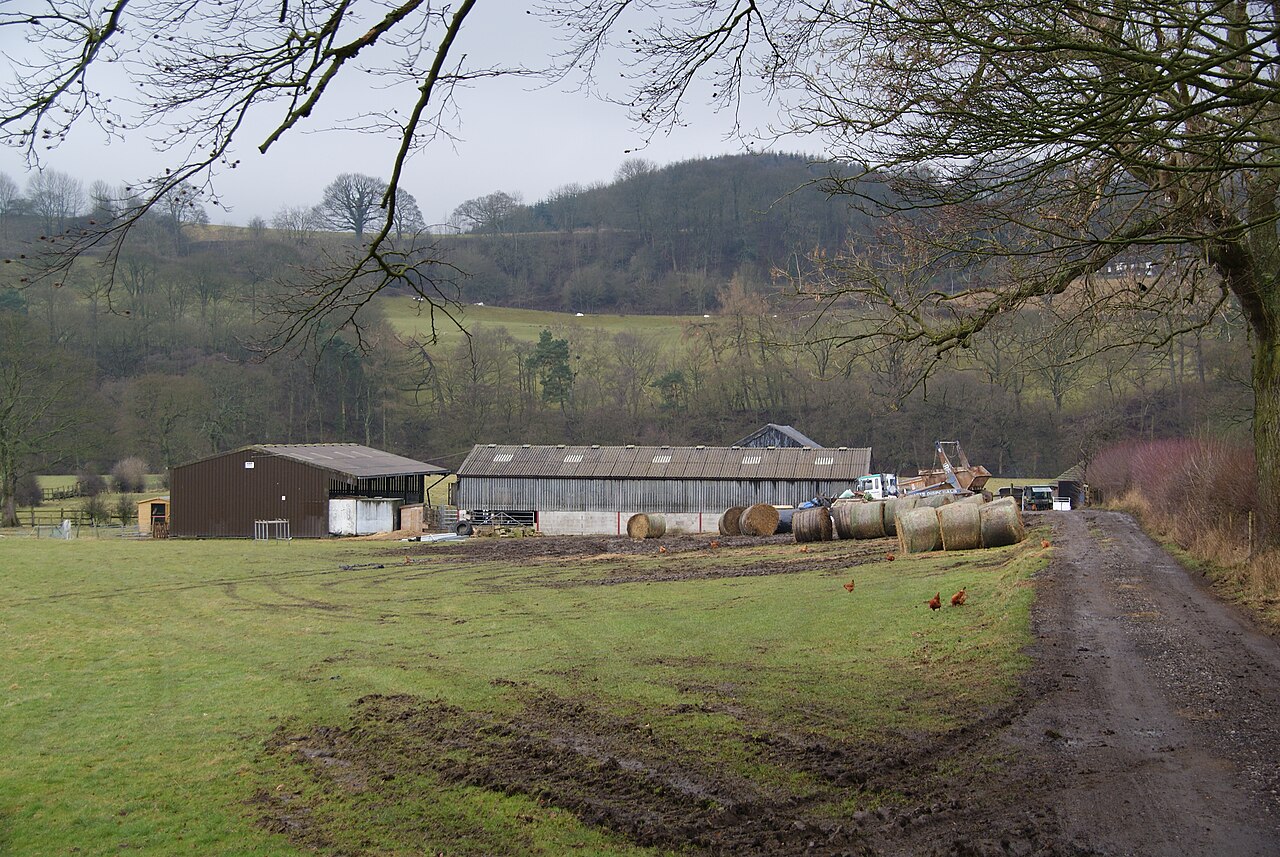
Livestock and soil are part of the picture. Hoof kicks and horn grazes can open the way for soil organisms, and in Sudanese villages DNA testing found the fungus Madurella mycetomatis in every patient's household, especially in soil, dung and mud walls. Infections are also being reported in cattle, horses, dogs and cats.
India's National One Health Mission, approved in February 2024, brings together more than 16 ministries and departments, but its programmes focus on diseases such as rabies and leptospirosis, and mycetoma sits outside it. A review of cases from 1876 to 2019 counted 1,116 in India, behind Sudan and Mexico, but the true caseload is unknown. Ahmed Fahal, who heads the WHO collaborating Mycetoma Research Centre in Khartoum, wants a surveillance system that brings clinicians, epidemiologists and environmental experts together; Kenya-based Borna Nyaoke-Anoke of the Drugs for Neglected Diseases initiative (DNDi) wants India to make the disease notifiable.
For farm families the practical risk lies in barefoot work, thorn pricks and small field injuries left untreated; early diagnosis is what makes the bacterial form curable.
Reported by SciDev.Net's Global desk, with support from the MSF-DNDi Grant on Neglected Tropical Diseases.
Source: SciDev.Net


Comments
(0)