
The heart is the centre of a person's faith, thought, morals and conduct, so Islam gives the state of the heart as much weight as outward deeds. In an article in Desh Rupantor, Mufti Mahbub Hasan notes that the heart is mentioned more than a hundred times in the Quran.
He cites a hadith in Sahih Muslim in which the Prophet (peace be upon him) said there is a piece of flesh in the body; if it is sound the whole body is sound, and if it is corrupt the whole body is corrupt, and that is the qalb, the heart. Imam Abu Hanifa held that the brain is the seat of intellect and Imam Shafi'i the heart, the writer says, but the two complement each other.
Among the hearts the Quran praises, the writer lists the obedient, sound, humble, fearful, God-conscious, tranquil, guided and living heart. Surah At-Taghabun, verse 11, for example, says that whoever believes in Allah, Allah guides his heart.
Among the hearts it condemns are the sick, blind, heedless, arrogant, hard, sealed and crooked heart. Quoting Surah Al-Hajj, verse 46, he writes that it is not the eyes that are blind but the hearts within the breasts. Surah Al Imran, verse 159, says people would have drifted away from a harsh and hard-hearted leader.
The Quran sets out both the good and bad states of the heart, the writer says, so that people can know where they stand and work to purify a tainted heart. He closes with a prayer for purified hearts and for good in this world and the hereafter through worship.
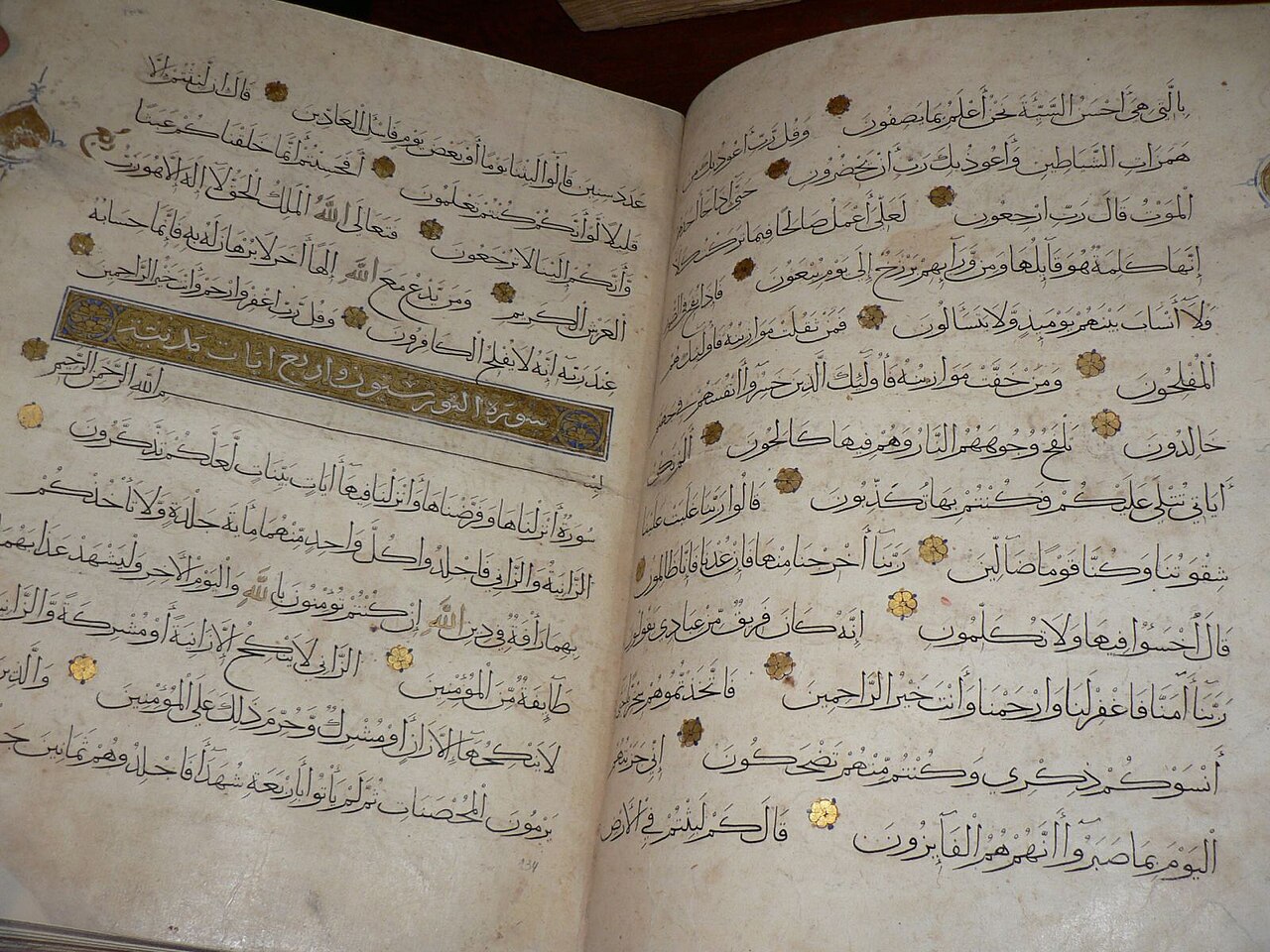
Photo: Hayri Brahimbashev / Wikimedia Commons (CC BY-SA 3.0)
Source: Desh Rupantor
Comments
(0)