
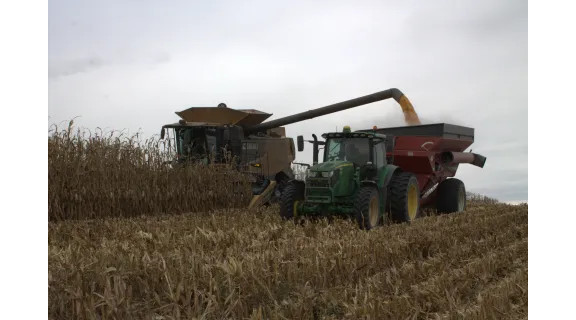
Weeds that poke above a maturing corn or soybean canopy do little damage to this year's yield, but the seed they drop will be next year's fight. University of Minnesota Extension is reminding row-crop growers that harvest is a critical moment for weed management, both to limit the seed bank and to record where problems lie for next season's plan.
Season-long control starts with pre-emergence herbicides, which buy time for a well-timed post-emergence pass, writes extension educator Jackie Estrem. With herbicide resistance increasingly common, weeds should be sprayed while small, at the labelled rate and with several effective modes of action, and a residual product with a different mode of action can be mixed into the post application to extend suppression.
Weeds present at harvest either germinated after the herbicides wore off or escaped a poorly timed or resistant application. Either way, letting them set viable seed passes on those traits. A single plant can produce thousands or tens of thousands of seeds.
Heavy weed growth in edge rows points to seed producers along field margins. Mowing the edges before seed is viable can reduce invasion of the field, and because weeds mature at different times, cutting them back still helps even after some seed has set.
Combines are efficient at spreading weed seed within and between fields. Where populations are low, hand-pulling and destroying weeds, with burning done outside the field boundary, keeps seed out of the machine. Fields should be harvested cleanest first and weedy patches last, and daily removal of dust and debris with compressed air both limits seed spread and reduces the risk of combine fires.
For growers who like new tools, seed impact mills and narrow chaff chutes are being developed to destroy weed seed during harvest. The season may be in its final stretch, Estrem writes, but decisions made now protect the quality of this crop and the size of next year's weed problem.
Source: Morning Ag Clips

Comments
(0)