
Halderman Real Estate & Farm Management of Wabash, Indiana, is using artificial intelligence to cut the paperwork out of farmland sales and appraisals while keeping clients' farm data out of public AI systems, Michigan Ag Today reports. "I'm turning control over to a machine, and you're really not," said president Howard Halderman. "At the end of the day, you still control it, you still make the final decisions."
The firm began adopting AI about 18 months ago, using it to gather public information such as tax cards, topographic maps, zoning rules and flood-plain data that appraisers once collected over days or weeks, often by travelling to county courthouses. Halderman estimates that 65% to 75% of an appraisal meeting the federal USPAP standard can now be done before the appraiser sits down to the job; in one case an appraiser worked through 120 comparable sales in two hours, a task that used to take a week or two.
The biggest change is at live auctions. In a multi-tract sale of 1,300 acres in 16 tracts in southwest Ohio, the firm's new AI program worked out the highest-bidding combination of tracts in two seconds, where operators had previously made bidders wait three to five minutes while they recalculated combinations in spreadsheets. "We sold 1,300 acres, 16 tracts in two hours, where we had done 900 acres and 13 tracts in three hours six months prior," Halderman said.
Farmers guard their yield maps, soil tests, financial history and lease terms, and records fed into a public AI tool can end up training open models. To avoid that, Halderman worked with Wabash-based Margin AI to build an internal platform, "Halderman Desk", that runs locked down for the company alone, with separate user portals so client details are not visible across departments.
Halderman sees the technology freeing farm managers for the relationship side of the job, from listening to landowners to shaping leases and sustainable practices. "The farm manager should in five years have a lot more time for the relationship side," he said, adding that people have to be willing to work with change even if they do not always like it. The report is by C.J. Miller.
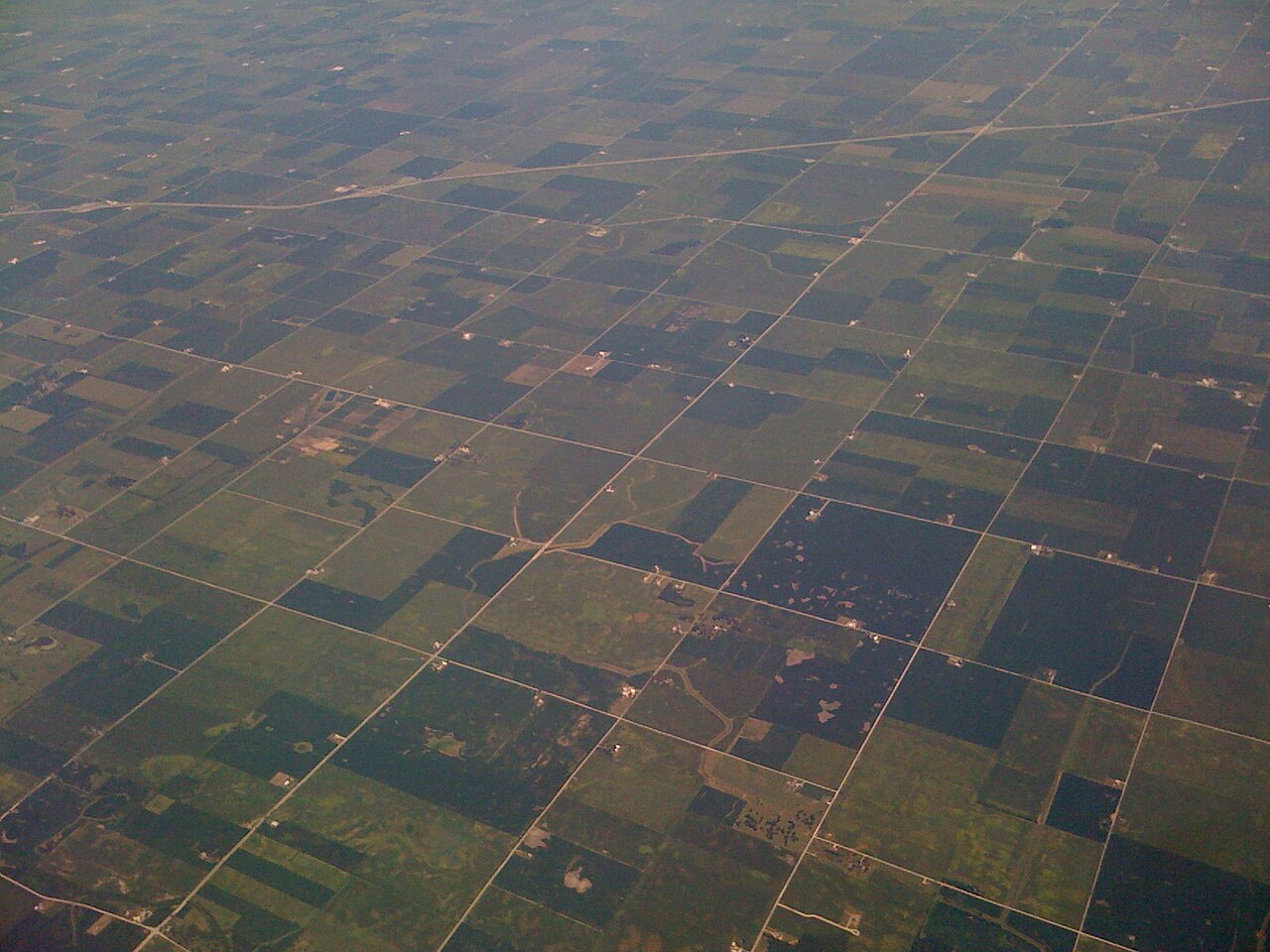
Photo: Wjmummert / Wikimedia Commons (Public domain)
Source: Michigan Ag Today

Comments
(0)