
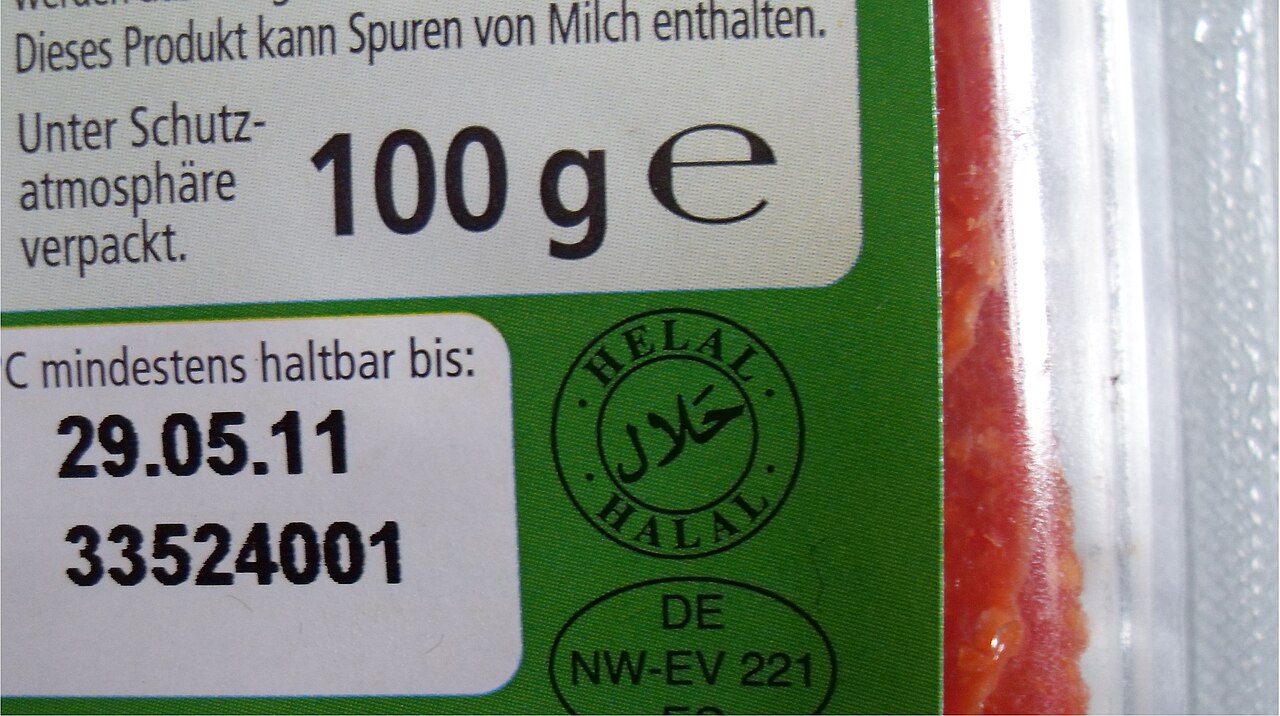
In Indonesia, home to the world's largest Muslim population, the halal industry has become the main driver of manufacturing. Industry Minister Agus Gumiwang Kartasasmita said the halal industry contributed $61.60 billion to non-oil-and-gas manufacturing in the first half of 2026, 50.55 per cent of the sector's total output.
Speaking recently at an event in South Tangerang, the minister put the contribution at 1,102 trillion rupiah. Its base is the country's vast Muslim consumer market: of about 280 million Indonesians, some 252 million are Muslim.
The large domestic market and an established industrial base are the main supports for the halal industry's growth, Agus said, and the industry is also expanding into international markets.
According to Barta24, Indonesia exported about $35.72 billion of halal industrial products and imported $17.47 billion of halal goods.
The government will keep strengthening the domestic halal industry so that Indonesian products win a bigger share of global markets, the minister said, and aims to cut halal imports next year by raising domestic production and competitiveness.
Photo: VerfassungsSchützer / Wikimedia Commons (CC BY 3.0)
Source: Barta24
Comments
(0)