
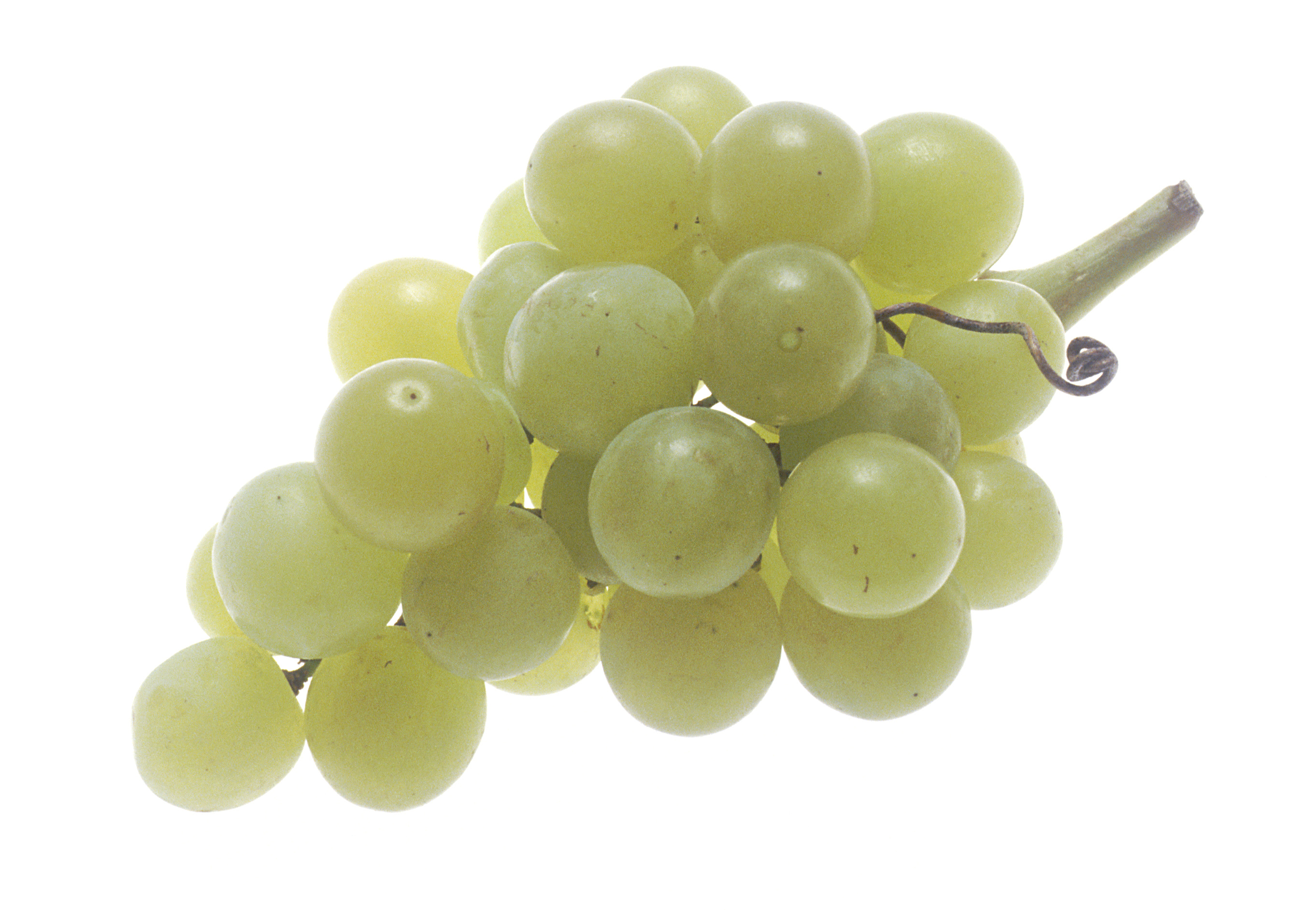
On Sunday, 4 January 2026, the lifestyle desk of the Bengali news site Jagonews24 published a short feature on why grapes are worth eating in winter. It said the small, sweet fruit is full of nutrients, that it contains vitamin C, vitamin K, antioxidants and fibre, and that eating it regularly in the cold season helps the body's defences, digestion, heart and skin. The feature named the National Institute of Nutrition in India as its source of information.
This report sets out what the feature said and then checks each of its points against food composition tables and the guidance of health authorities and peer-reviewed research published before January 2026. The picture that emerges is of a healthy, hydrating fruit that fits well into a varied diet, but one whose vitamin C and fibre content is modest, and which no authority describes as a way to prevent winter illness on its own. Anyone with a medical condition, or who is planning a change of diet, should speak to a doctor or a qualified nutritionist.
What the Jagonews24 feature said
The feature made four main claims. First, that the vitamin C in grapes strengthens the immune system and lowers the risk of colds, coughs and flu, which it said are found in almost every home in winter. Second, that people tend to eat heavier food and move less in the cold months, and that the fibre in grapes improves bowel function and helps regular bowel movements. Third, that the antioxidants and polyphenols in grapes help keep the heart working well and help lower the risk of heart disease, which it described as rising with modern lifestyles. Fourth, that winter dries and roughens the skin, and that the antioxidants and vitamin C in grapes protect the skin from within and help collagen production.
The feature also called the grape a "winter superfood" and said it contained "plenty" of vitamin C. These two descriptions are not supported by the food tables or by the health authorities consulted for this report, and they have been left out of this version. The sections below explain why, and what the evidence does say about each of the four claims.
What a grape contains: the figures
The most widely used reference for the nutrients in food is the US Department of Agriculture's FoodData Central database. Its standard entry for raw red or green grapes of the European type, such as Thompson Seedless, published in April 2019 in the department's SR Legacy data set, gives these values for every 100 grams of fruit:
- water: 80.54 grams
- energy: 69 kilocalories
- carbohydrate: 18.1 grams, of which total sugars 15.48 grams (fructose 8.13 grams and glucose 7.2 grams)
- dietary fibre: 0.9 grams
- protein: 0.72 grams and fat: 0.16 grams
- potassium: 191 milligrams
- vitamin C: 3.2 milligrams
- vitamin K: 14.6 micrograms
- calcium: 10 milligrams and iron: 0.36 milligrams
- beta-carotene: 39 micrograms, and lutein with zeaxanthin: 72 micrograms
The same entry gives the weight of common servings: one cup of grapes weighs 151 grams and ten grapes weigh 49 grams. In other words, a grape is mostly water and natural sugar, with small amounts of a wide range of vitamins and minerals.
Bangladesh has its own reference, the Food Composition Table for Bangladesh, published in June 2013 by the Institute of Nutrition and Food Science at the University of Dhaka with support from the Ministry of Food, the Food and Agriculture Organization of the United Nations (FAO), USAID and the European Union. It lists raw green grapes (angur, halka sobuj), Vitis vinifera, with 94 kilocalories, 75.3 grams of water, 0.5 grams of protein, 0.6 grams of fat, 20.2 grams of available carbohydrate and 191 milligrams of potassium per 100 grams of edible fruit, and an edible portion of 0.95, meaning that almost all of the fruit as bought is eaten. The table's source list for this entry cites several earlier food tables, including the USDA's, rather than a Bangladeshi laboratory analysis, and food tables differ from one another because varieties, ripeness and testing methods differ.
Vitamin C, colds and flu: what the evidence says
Vitamin C, also called ascorbic acid, does matter for health. The UK's National Health Service (NHS) says it helps protect cells and keep them healthy, maintains healthy skin, blood vessels, bones and cartilage, and helps wounds heal, and that a lack of it leads to scurvy. The NHS says adults aged 19 to 64 need 40 milligrams of vitamin C a day, that the body cannot store it, so it is needed in the diet every day, and that a varied, balanced diet should provide all of it. Its list of good sources is citrus fruit such as oranges and orange juice, peppers, strawberries, blackcurrants, broccoli, Brussels sprouts and potatoes. Grapes are not on that list. With 3.2 milligrams in every 100 grams in the USDA table, grapes contribute some vitamin C, but describing them as rich in it is not accurate.
The idea that vitamin C wards off colds has been tested many times. The Cochrane Collaboration, which pools the results of clinical trials, published its review "Vitamin C for preventing and treating the common cold" in January 2013. It looked only at placebo-controlled trials that used at least 0.2 grams of vitamin C a day, far more than food alone usually supplies. In trials in the general community, involving 10,708 people, regular vitamin C supplements did not reduce how often people caught colds: the pooled risk ratio was 0.97, where 1 would mean no difference. In five trials of 598 marathon runners, skiers and soldiers on subarctic exercises, people under heavy physical stress, the pooled risk ratio was 0.48, a clear reduction. Regular supplements shortened colds by 8 per cent in adults and 14 per cent in children, but taking vitamin C only after symptoms began had no consistent effect. The authors concluded that routine vitamin C supplementation is not justified for the general population.
The NHS page on the common cold, last reviewed in March 2024, says the same in plain words: there is little evidence that supplements such as vitamin C, echinacea or garlic prevent colds or help people get better more quickly. Colds are caused by viruses, which spread through coughs, sneezes and hands, and the NHS says the best ways to avoid catching one are washing hands with warm water and soap, not sharing towels or household items with someone who has a cold, not touching the eyes or nose, and staying fit and healthy. It adds that antibiotics do not help colds, and that people should see a doctor if a high temperature lasts more than three days, symptoms get worse or last beyond ten days, or they feel short of breath or have chest pain.
The timing of respiratory illness in Bangladesh is also worth knowing. National hospital-based surveillance in 12 hospitals between May 2007 and December 2008, reported in the journal PLoS One in December 2009, found influenza throughout the country and in all age groups, with a distinct peak in the rainy season rather than in winter. Grapes, in short, are a pleasant part of a healthy winter diet, but they are not a shield against colds or flu.
Fibre and digestion
Fibre does help digestion. The NHS says that choosing foods with fibre can help digestion and prevent constipation, and that eating plenty of fibre is associated with a lower risk of heart disease, stroke, type 2 diabetes and bowel cancer. UK government guidelines say adults should eat 30 grams of fibre a day, and the NHS noted that most adults were eating only about 20 grams. Children need less: about 15 grams a day at 2 to 5 years, about 20 grams at 5 to 11, and about 25 grams at 11 to 16. The World Health Organization's healthy diet fact sheet of April 2020 says eating at least 400 grams of fruit and vegetables a day helps to ensure an adequate daily intake of dietary fibre.
Against those targets, grapes are a light source: the USDA table gives 0.9 grams of fibre in 100 grams of grapes. Grapes add some fibre and a good deal of water to the diet, and as part of a day's fruit and vegetables they help, but the NHS's own suggestions for more fibre lean on wholegrain bread, cereals and rice, potatoes with their skins on, pulses such as beans, lentils and chickpeas, plenty of vegetables, and fruit, together with nuts and seeds.
Polyphenols and the heart
The feature's claim about the heart rests on the polyphenols in grapes, a large family of plant compounds. A review titled "Grapes and cardiovascular disease" by Mustali Dohadwala and Joseph Vita of the Boston University School of Medicine, published in The Journal of Nutrition in 2009, summarised the evidence at the time. Laboratory and experimental studies indicated that grape polyphenols could reduce the build-up of fatty deposits in the arteries by several routes: limiting the oxidation of LDL cholesterol, improving the function of the inner lining of blood vessels, lowering blood pressure, reducing the clumping of platelets and reducing inflammation. The authors wrote that more clinical studies were needed to confirm these effects and to set dietary guidelines, but that the available data strongly supported advice to eat a diet rich in fruit and vegetables, including grapes, to lower the risk of cardiovascular disease. The review appeared in a journal supplement from a 2008 workshop on grapes and health organised by the US National Grape and Wine Initiative.
One grape polyphenol, resveratrol, has drawn particular attention. A 2021 review in Oxidative Medicine and Cellular Longevity by researchers at Sun Yat-sen University noted that resveratrol is found in grapes, peanuts and blueberries, among other foods, and that many studies report antioxidant, anti-inflammatory and cardiovascular effects. Much of that work, however, was done in cells and animals, and with purified resveratrol rather than with whole fruit, so it does not show what a handful of grapes does for a person's heart.
The strongest evidence concerns fruit and vegetables as a group. A systematic review and meta-analysis of 95 prospective studies, published in the International Journal of Epidemiology in 2017, found that every 200 grams a day of fruit and vegetables was associated with a lower risk of coronary heart disease (relative risk 0.92) and of stroke (relative risk 0.84), with risk continuing to fall up to about 800 grams a day. The fruits it singled out for an association with cardiovascular disease were apples and pears and citrus fruit; grapes were not named. The WHO also notes that potassium, which fresh fruit and vegetables supply, can offset some of the effect of salt on blood pressure, and grapes carry 191 milligrams of potassium per 100 grams in both the USDA and Bangladeshi tables.
Vitamin C and the skin in dry weather
The feature said dry, rough skin is common in winter. A review titled "The Roles of Vitamin C in Skin Health" by Juliet Pullar, Anitra Carr and Margreet Vissers of the University of Otago, published in the journal Nutrients in August 2017, explains the link the feature drew on. Normal skin contains high concentrations of vitamin C, which the body needs to make collagen, the protein that makes up about 75 per cent of the dry weight of the skin's inner layer, the dermis. The early signs of scurvy, the disease of vitamin C deficiency, include fragile skin, corkscrew hairs and poor wound healing.
The same review is careful about what this means for healthy people. It found that good skin health is positively associated with fruit and vegetable intake in a number of well-run intervention studies, but that the component of fruit and vegetables responsible is not known and the effect is likely to have several causes. It also noted that there were no studies that had measured vitamin C intake against skin ageing directly. Dry skin, it explained, is linked mainly to a lack of barrier lipids called ceramides and of the skin's natural moisturising factor, and treatment is generally through applying products to the skin. Eating grapes as part of a diet rich in fruit and vegetables supports the body's general vitamin C supply, but grapes are not a treatment for dry winter skin.
Vitamin K and people on blood thinners
The feature also mentioned vitamin K. The NHS says vitamin K is a group of vitamins the body needs for blood clotting, which helps wounds heal, and that there is some evidence it may help keep bones healthy. Its main sources are green leafy vegetables such as broccoli and spinach, vegetable oils and cereal grains, with small amounts in meat and dairy foods. Adults need about 1 microgram a day for each kilogram of body weight, so a person weighing 65 kilograms needs about 65 micrograms. Unused vitamin K is stored in the liver, so it is not needed every day. The USDA gives 14.6 micrograms of vitamin K in 100 grams of grapes.
Vitamin K matters most for people taking the anticoagulant warfarin. The NHS explains that the liver needs a good supply of vitamin K to make clotting factors and that warfarin works by blocking the liver from using it. People on warfarin are advised to be careful about what they eat, and the NHS tells patients to speak to their doctor before making changes to their diet. Anyone on a blood-thinning medicine who plans to eat much more fruit and vegetables than usual should therefore ask their doctor first.
How much fruit, and how to eat grapes safely
Health authorities give clear guidance on fruit in general. The WHO's healthy diet fact sheet of April 2020 recommends that adults eat at least 400 grams, or five portions, of fruit and vegetables a day, not counting potatoes, sweet potatoes, cassava and other starchy roots, and says this reduces the risk of non-communicable diseases. It suggests including vegetables in every meal, eating fresh fruit and raw vegetables as snacks, eating fruit and vegetables that are in season, and eating a variety of them. The NHS gives a portion of fruit for an adult as 80 grams.
The form in which grapes are eaten makes a difference:
- Whole fruit: the NHS says whole fruit is less likely to cause tooth decay than juice, because the sugars are held within the structure of the fruit. The WHO counts the sugars naturally present in fruit juices among the free sugars, which it says should be kept below 10 per cent of total energy intake.
- Juice: the NHS counts unsweetened 100 per cent fruit juice and smoothies as no more than one portion a day, however much is drunk, and says the total from juice and smoothies should not exceed 150 millilitres a day, a small glass, ideally at mealtimes.
- Raisins and other dried grapes: the NHS gives a portion of dried fruit as about 30 grams, roughly one heaped tablespoon of raisins or sultanas, and warns that dried fruit can be high in sugar and bad for the teeth, so it is best eaten as part of a meal rather than as a snack between meals.
Grapes also carry a choking risk for small children. In a paper titled "The choking hazard of grapes: a plea for awareness", published in Archives of Disease in Childhood in 2017, doctors in Scotland described three children who were treated after inhaling grapes and wrote that whole grapes are ideally suited to block a young child's airway, a fact that is not widely known. The NHS advice on a baby's first solid foods, reviewed in October 2022, is to cut small, round foods such as grapes and cherry tomatoes into small pieces, to wash and peel fruit and raw vegetables, and always to stay with a baby while they are eating in case they start to choke.
Grapes are sweet, with 15.48 grams of sugar in every 100 grams in the USDA table. People with diabetes, kidney disease or other conditions that affect what they may eat should ask their doctor or a dietitian how much fruit, including grapes, suits them.

Grapes on Bangladeshi farms
Some Bangladeshi farmers had begun to grow grapes before the winter of 2025-26. In May 2025, Prothom Alo reported on a college student in Bhaluka upazila of Mymensingh who had grown 13 varieties of grape on seven decimals of land. He had first planted 27 seedlings of an Indian variety in 2022, found the fruit not sweet enough, and then collected 60 seedlings of 13 varieties from Natore, Rajshahi, Faridpur, Jamalpur and elsewhere. Twenty-five plants died, but the remaining 35 bore well, with 15 to 20 kilograms of fruit on each plant. He said he had learned the method from YouTube, built a high trellis for the climbing vines and used only fungicides. He sold green grapes at Tk 400 a kilogram and red and black grapes at Tk 450, and told the paper he hoped grapes would be grown in homes across Bangladesh so that they would no longer have to be brought from abroad.
A deputy director of the Department of Agricultural Extension (DAE) in Mymensingh, who visited the garden, told Prothom Alo that there was no example of commercial grape farming in the district and that many people believed grapes grown in its soil would be sour, a belief the student's sweet harvest had proved wrong. The upazila agriculture officer said the soil of Bhaluka suited fruit farming and that grapes do well in slightly acidic soil, and that a polynet house provided with government help would let him expand.
In June 2025 the same paper reported from Sribardi upazila of Sherpur, where a young entrepreneur had planted 50 varieties of foreign grapes on 20 decimals of land in the hilly village of Meghadal. His father had brought ten seedlings of two varieties from India in 2022, and they had fruited ten months after planting. Of 150 vines, 40 were bearing fruit, 15 to 20 of them carrying 10 to 12 kilograms each, and the family had sold small amounts of green grapes at Tk 250 to Tk 300 a kilogram. The upazila agriculture officer said the farmer had been growing grapes on a trial basis for two years and that the agriculture office would give him full support to expand. Farmers who want to try grapes should ask their upazila agriculture officer about varieties, trellising and disease control suited to their area.
Photo: Renee Comet / Wikimedia Commons (public domain)
Sources: Jagonews24, US Department of Agriculture FoodData Central, Institute of Nutrition and Food Science (University of Dhaka) Food Composition Table for Bangladesh, National Health Service (NHS), World Health Organization (WHO), Cochrane Database of Systematic Reviews, PLoS One, The Journal of Nutrition, Oxidative Medicine and Cellular Longevity, International Journal of Epidemiology, Nutrients, Archives of Disease in Childhood, Prothom Alo

Comments
(0)