
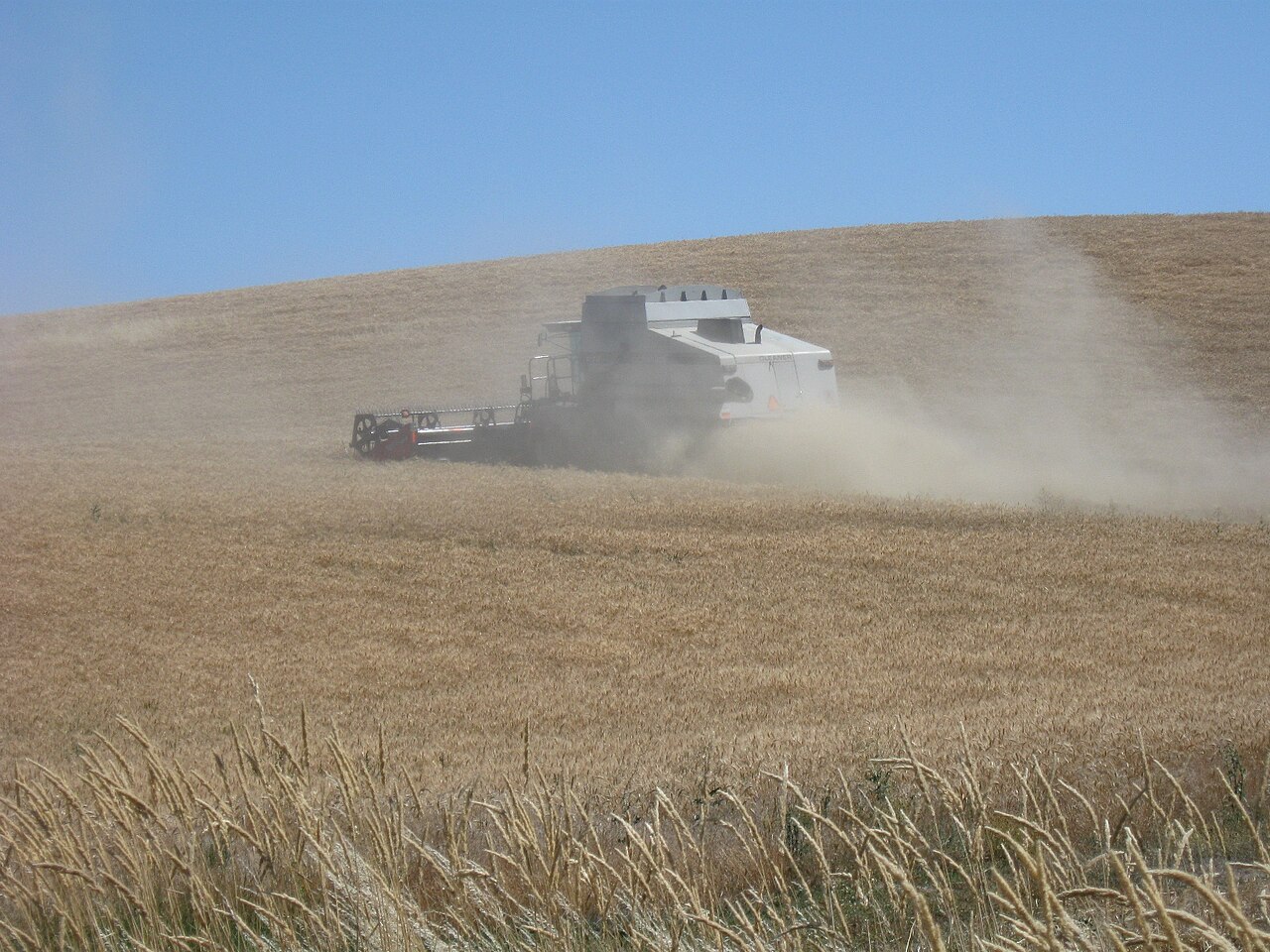
A week's exposure to common farm air contaminants caused visible changes in the lungs of female animal models, University of Saskatchewan (USask) researchers report in the journal Scientific Reports, in one of the early studies to focus on how airborne farm exposure affects women.
Farmers breathe in dust, bacteria-related compounds called endotoxins and crop chemicals every day. The team simulated the exposure of a typical farm work week to endotoxins and glyphosate, one of the most widely used herbicides. After five days they found fluid build-up and thickening of the alveoli, the tiny air sacs where oxygen is exchanged, and the effects were stronger when the two were combined than with either alone.
"Five days is a very short time but still we were able to pick up really fine nuances," said Gurpreet Aulakh, Fedoruk Chair in Imaging Science at USask's Western College of Veterinary Medicine. The researchers used high-resolution imaging at the Canadian Light Source synchrotron, which showed changes earlier methods could miss, said Dean Chapman, a synchrotron imaging specialist at the USask College of Medicine.
The results come from animal models, and the team's next studies will look at long-term exposure and compare how male and female lungs respond. The researchers say more work is needed as women make up a significant share of Canadian farmers.
Their practical advice is protective equipment. "We always recommend personal protective equipment to protect yourself from respiratory exposures. So, wear a mask, an N95, during exposures," said Shelley Kirychuk, director of the USask Canadian Centre for Rural and Agricultural Health.
Photo: Robert Ashworth / Wikimedia Commons (CC BY 2.0)
Source: Farms.com


Comments
(0)