
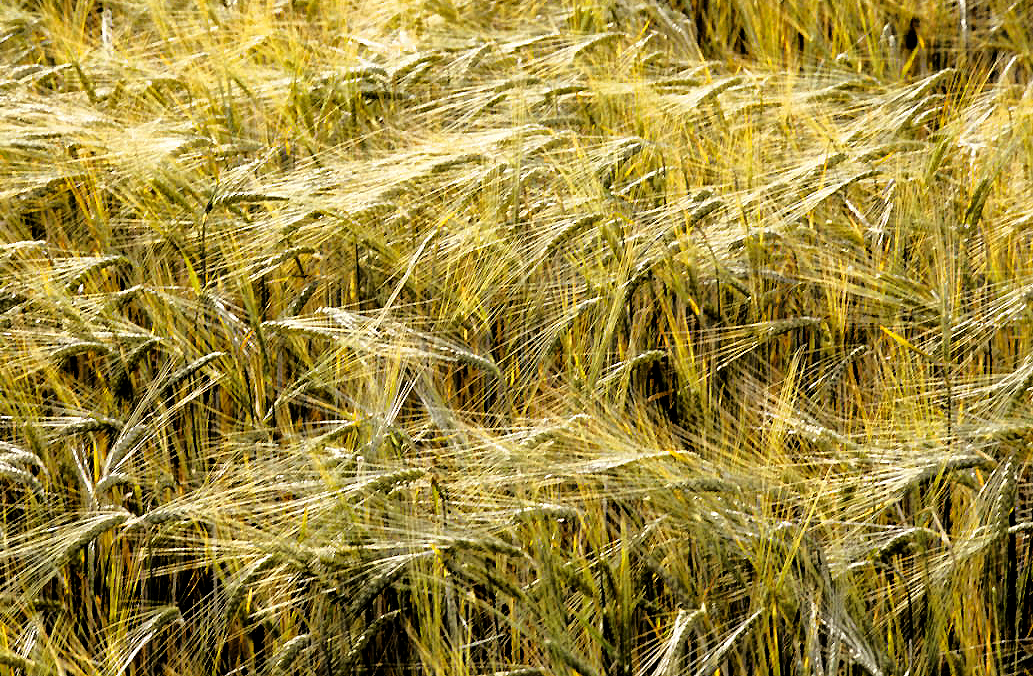
The genetic diversity recorded for one of the wheat genes that matters most to gluten quality has been overstated by more than half, according to researchers at the University of Córdoba in Spain. They have revised the catalogue of variants of the GLU-B1 gene and assembled a reference collection of wheat that holds its verified variation, Seed World Europe reports.
GLU-B1 encodes two high-molecular-weight glutenin subunits. Glutenins give bread its spongy crumb, pizza dough its stretch and pasta its ability to hold together when cooked, which is why breeders pay close attention to them. Over more than 40 years scientists described numerous variants, or alleles, of the gene, and the Catalogue of Gene Symbols for Wheat came to list 98 of them. They had never all been compared side by side.
Francisco Andrade, Juan Bautista Álvarez and Carlos Guzmán set out to do that. "We collected wheats carrying these alleles from all over the world, studied their GLU-B1 variants, and compared them with each other," Guzmán said. The comparison turned up heavy duplication. "Of the 98 alleles recorded, the actual variability is less than half," Andrade said; many were the same allele recorded two or three times.
To get the material, the team traced the original publications and contacted germplasm banks around the world, obtaining wheat from 33 countries, including Nepal, Ethiopia and Mexico. They organised it into a single representative collection with the alleles identified and the duplicates removed. Researchers who want to study the different versions of the gene will now be able to request the whole set from one germplasm bank.
The group did similar work earlier on GLU-A1, another glutenin gene, and found a rare allele linked to better baking quality and higher grain protein. Estonian researcher Marina Tikhonova then worked with the Córdoba team on a molecular marker that lets breeders find and select that allele more efficiently.
Both studies belong to the Hardiwheat project, led by Guzmán, which aims to identify, validate and hand genetic variation to breeding programmes developing higher-yielding, better-quality wheat. For breeders, a catalogue cleaned of duplicates means less time chasing variation that is not really there.
Photo: LBM1948 / Wikimedia Commons (CC BY-SA 4.0)
Source: Seed World Europe


Comments
(0)